
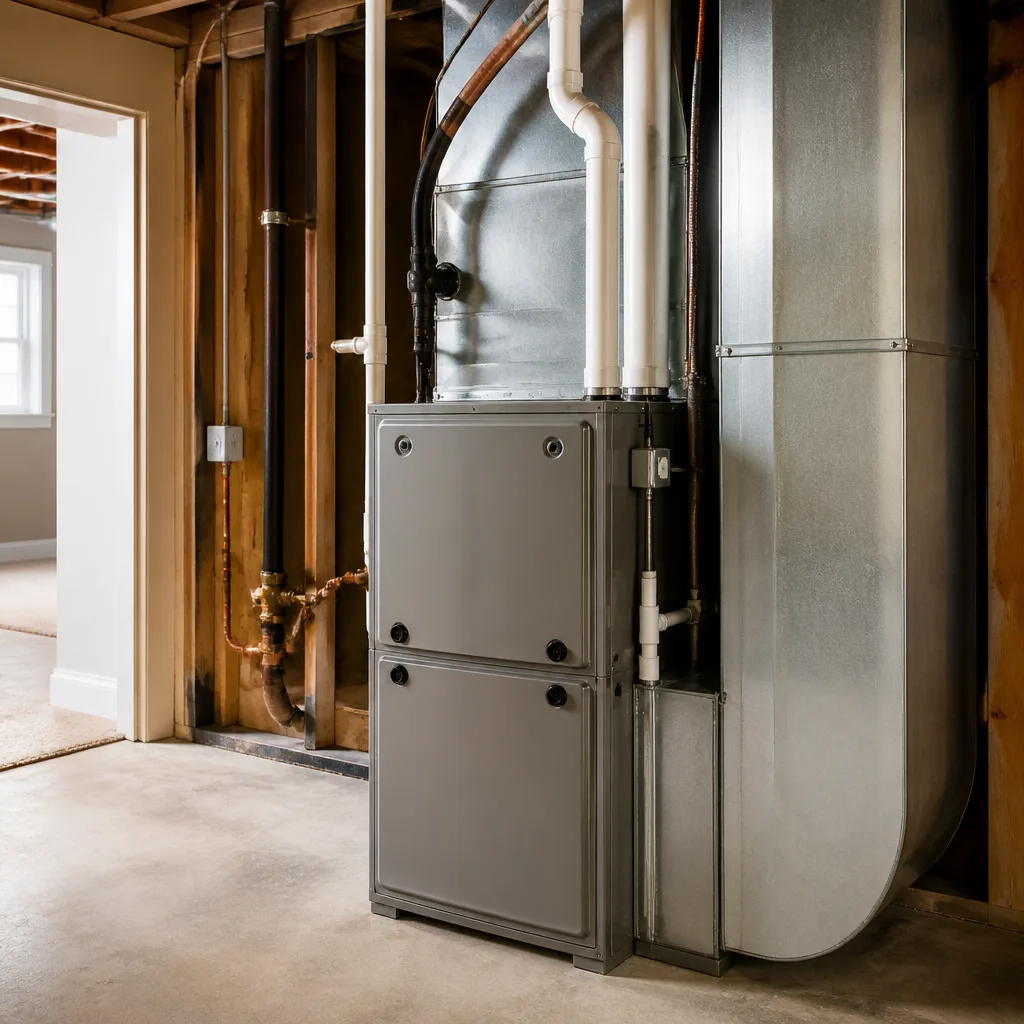
 Furnace & heating
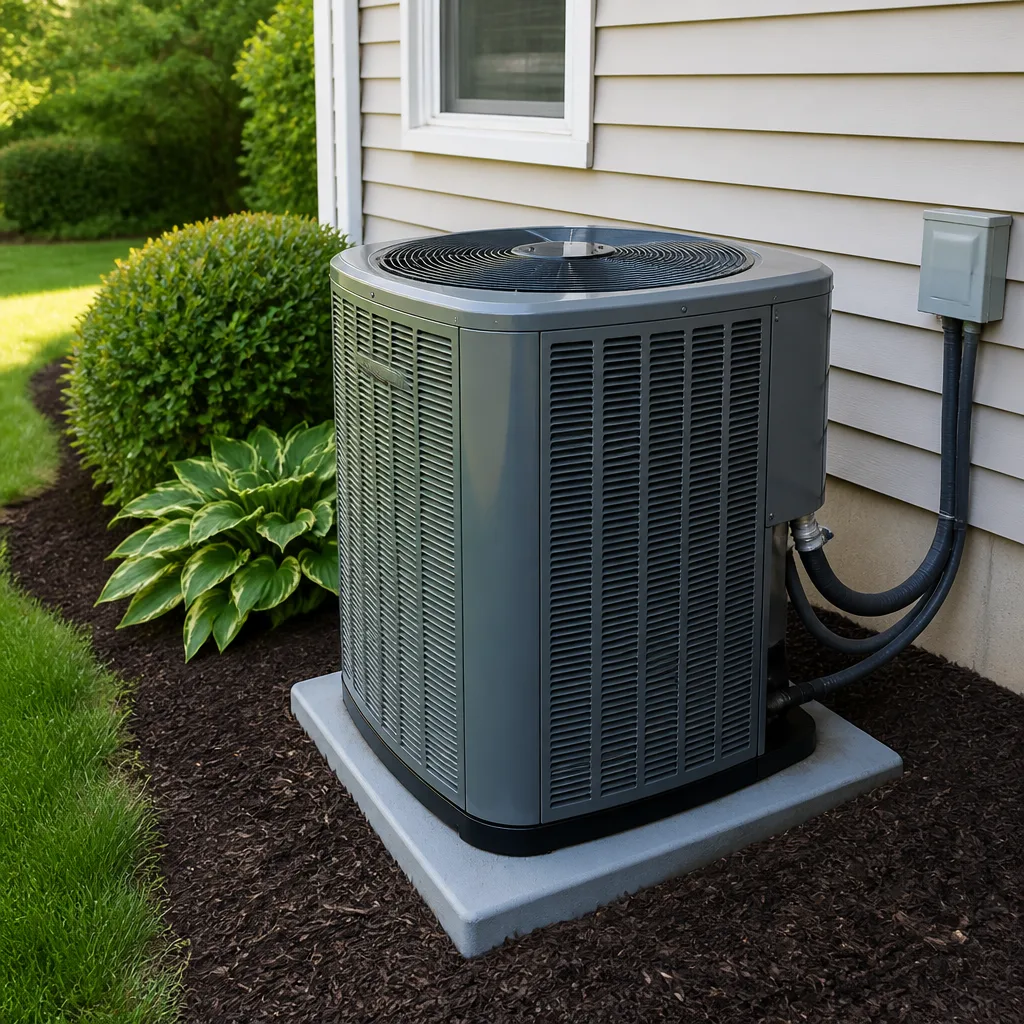 AC repair
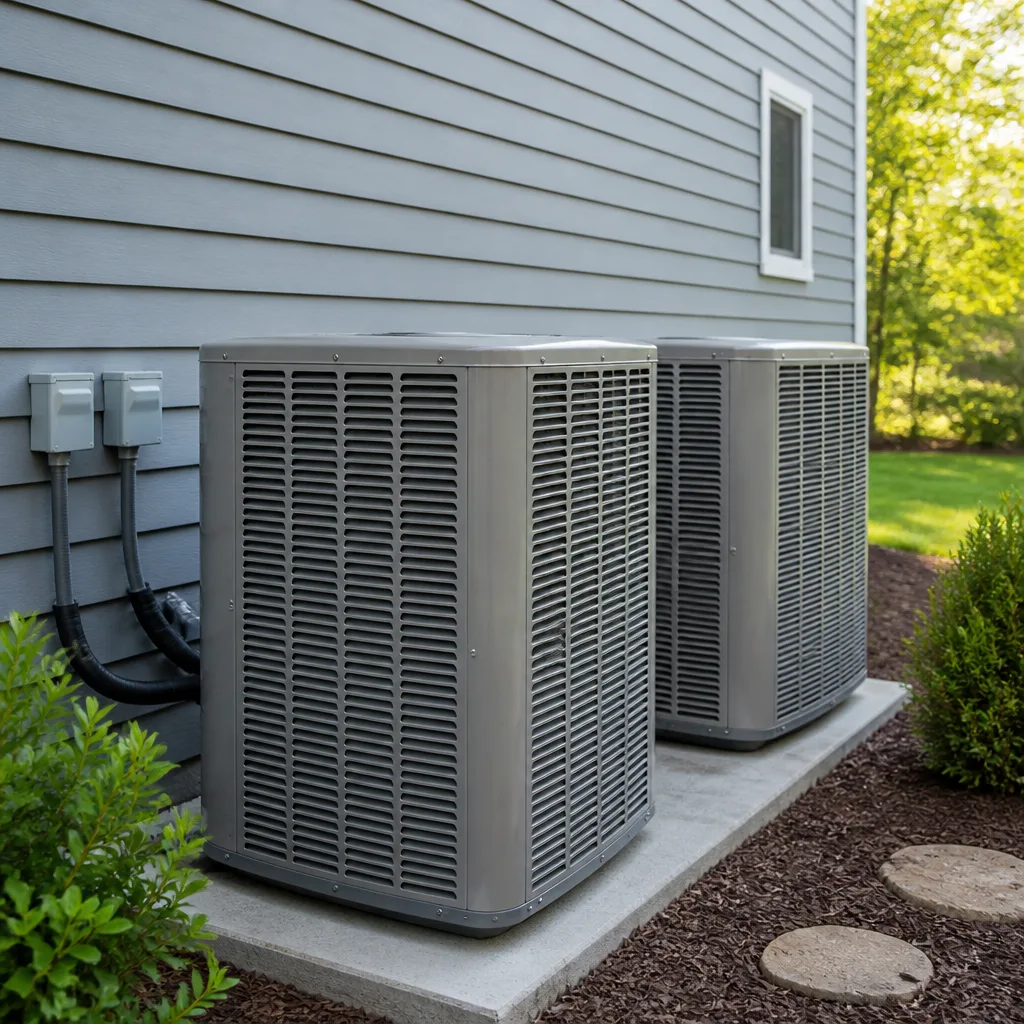 Heat pumps
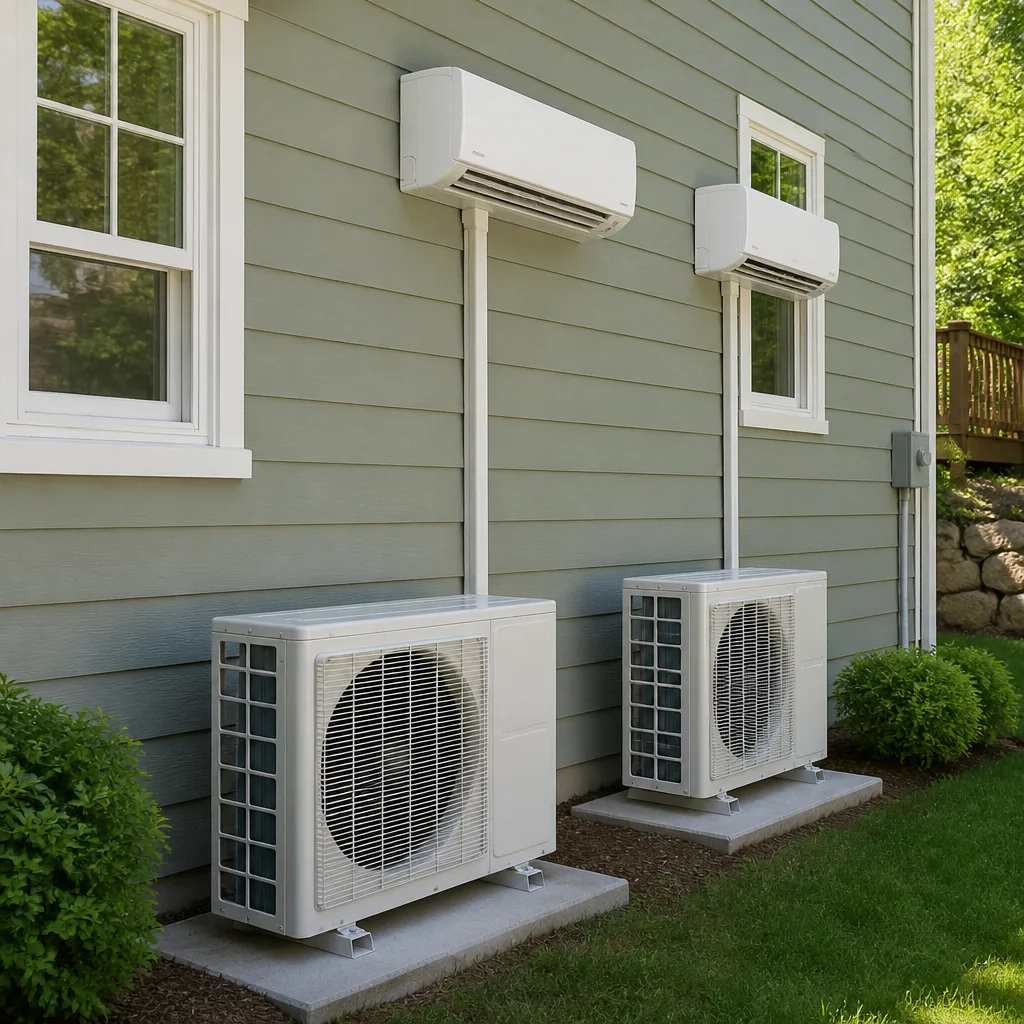 Ductless mini splits
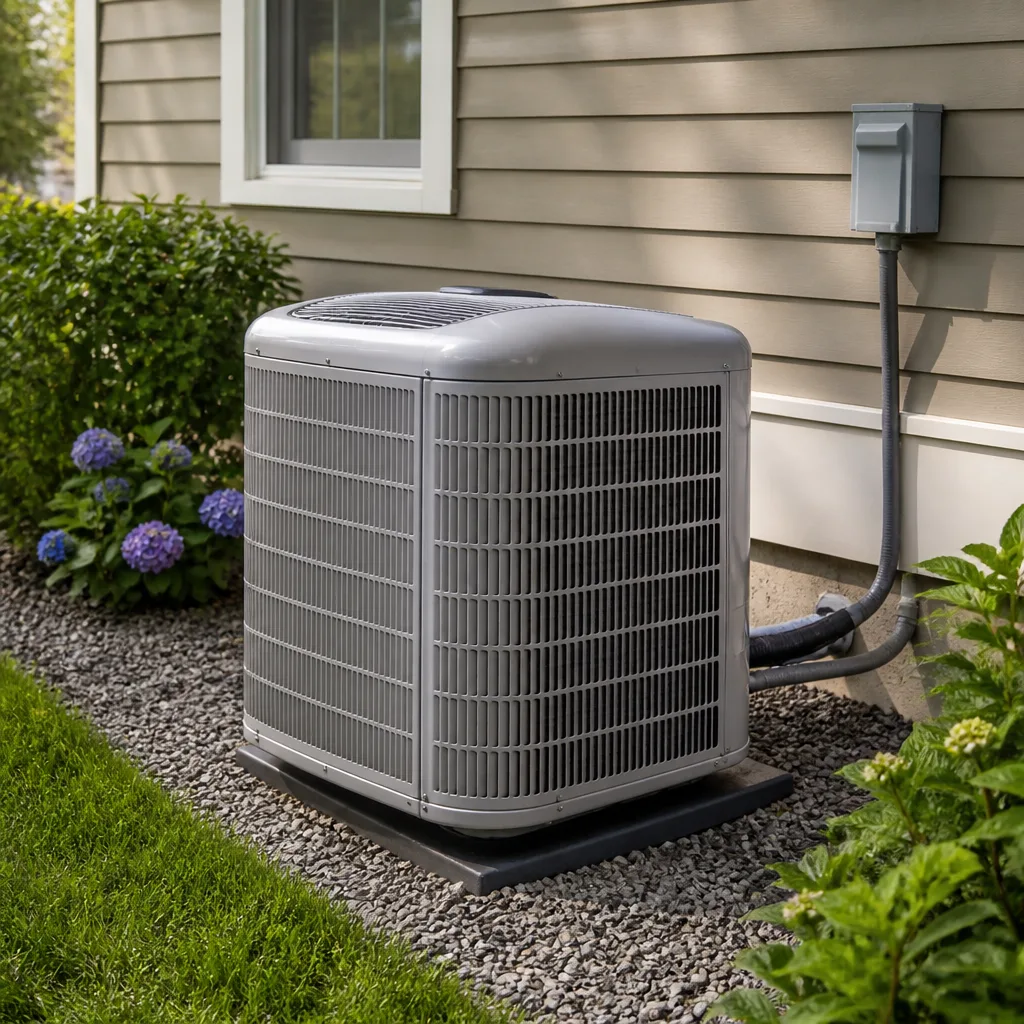 Carrier
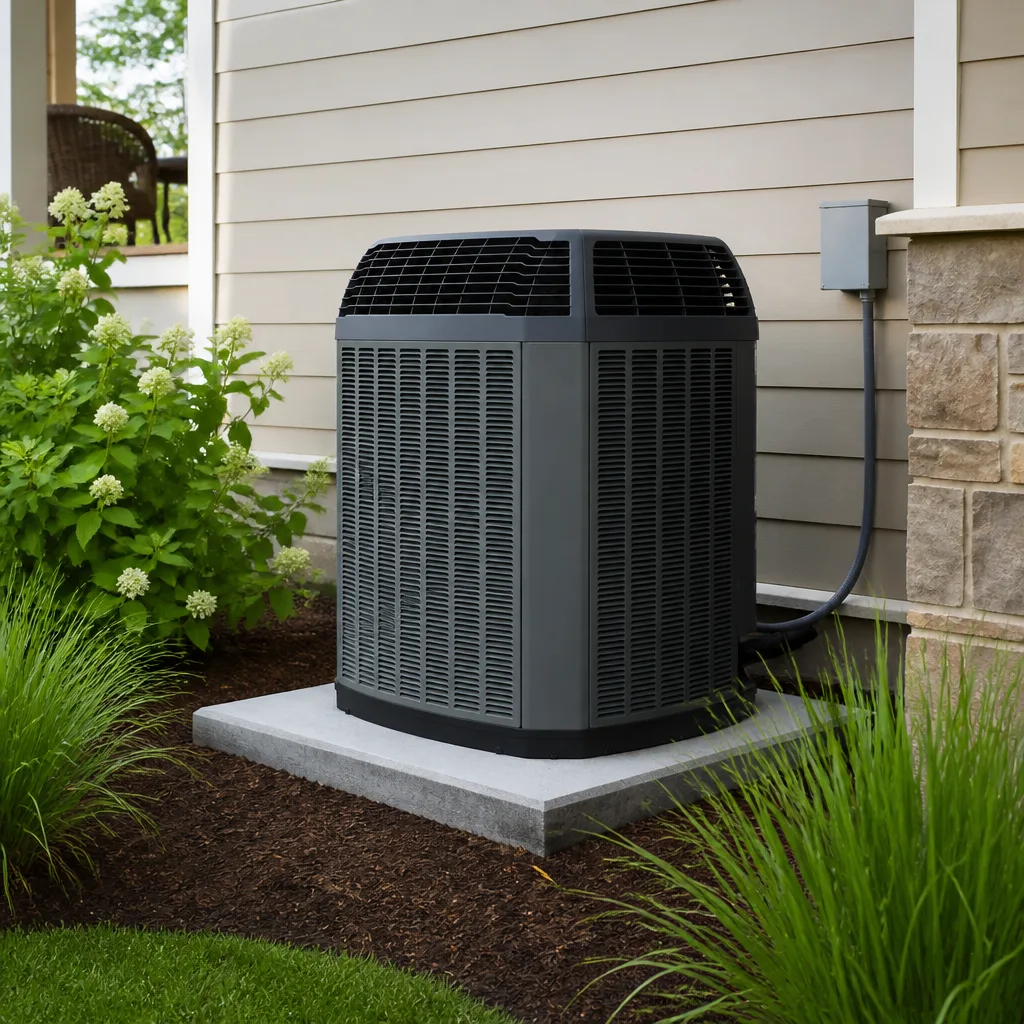 Trane
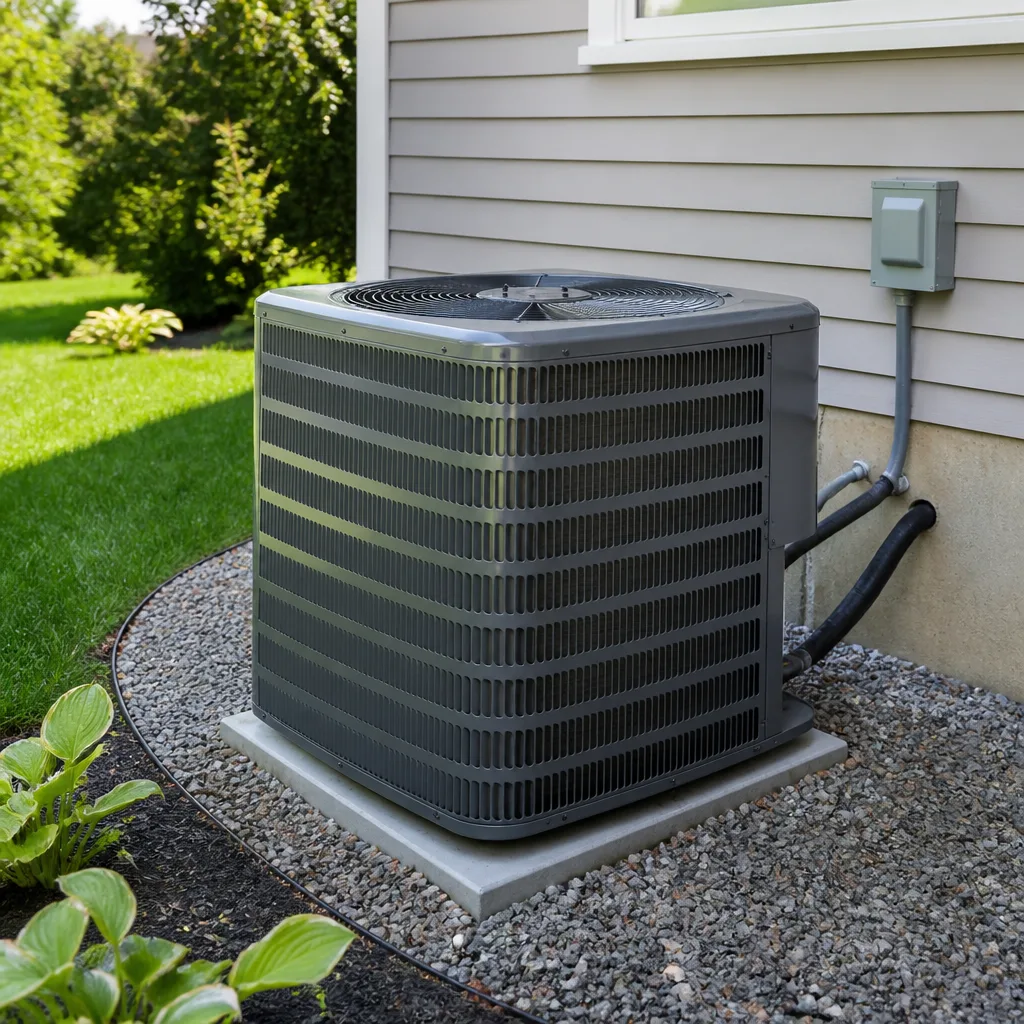 Goodman
Seasonal tune-up and full diagnostic on your Carrier, Trane, or Goodman system - readings shown to you before any repair is proposed
Diagnosis first, numbers second - you approve the repair price before a single part goes in.
Get your free estimateStyles & brands we work with
- AC repair
- Furnace & heating
- Heat pumps
- Ductless mini splits
- Carrier
- Trane
- Goodman
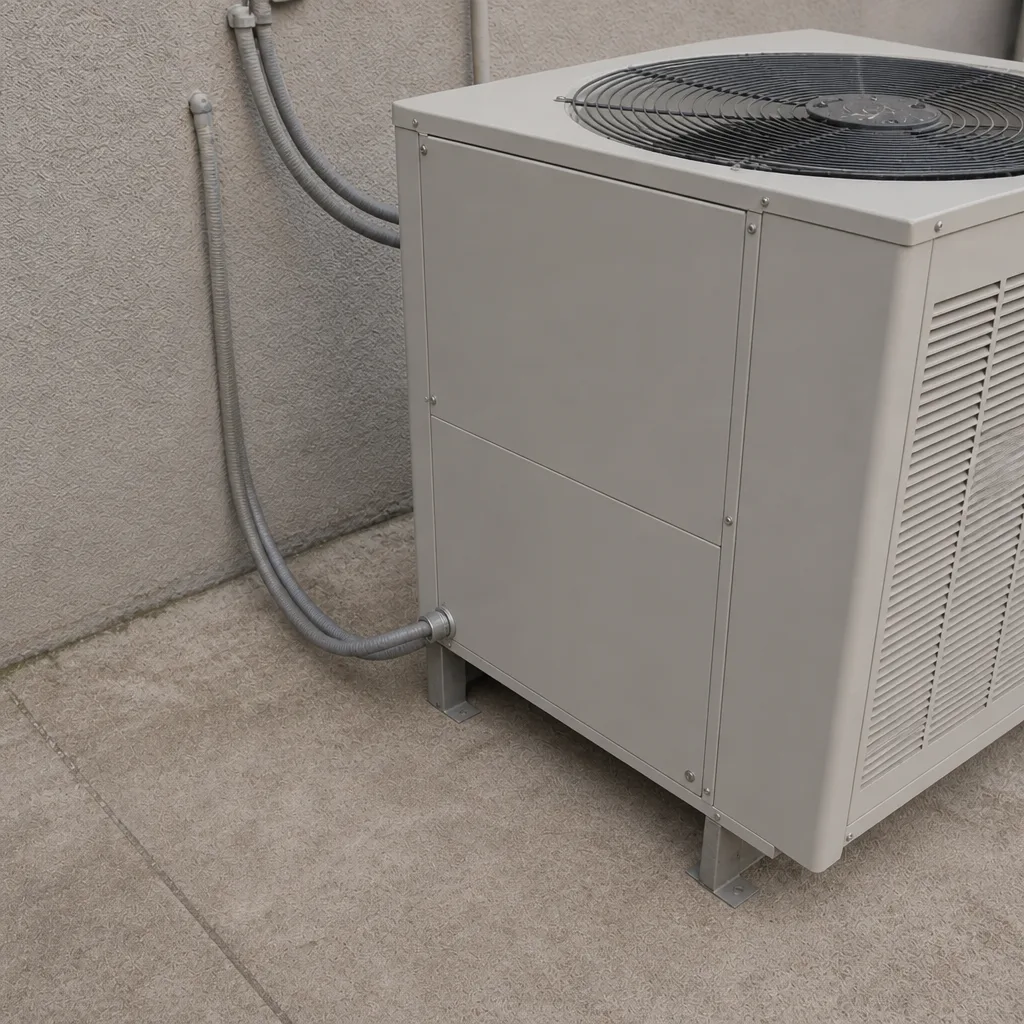
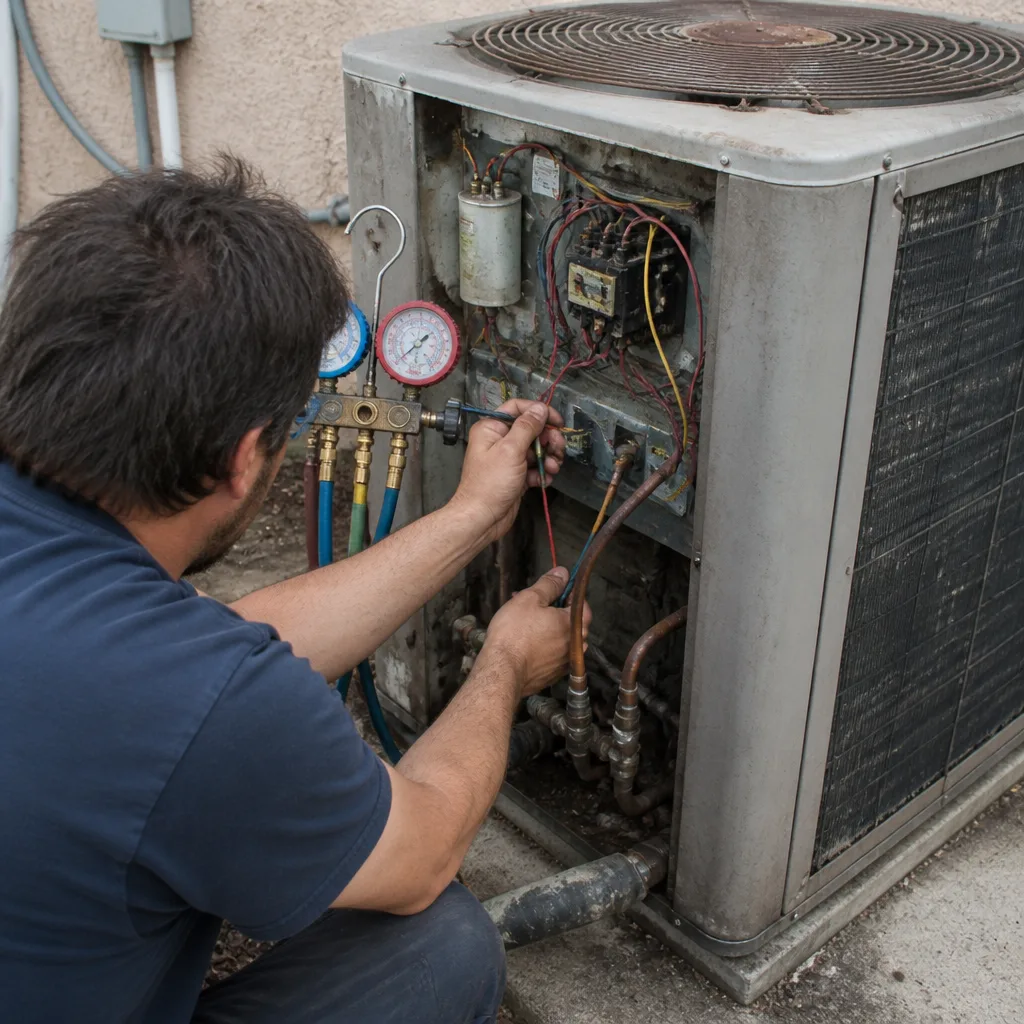
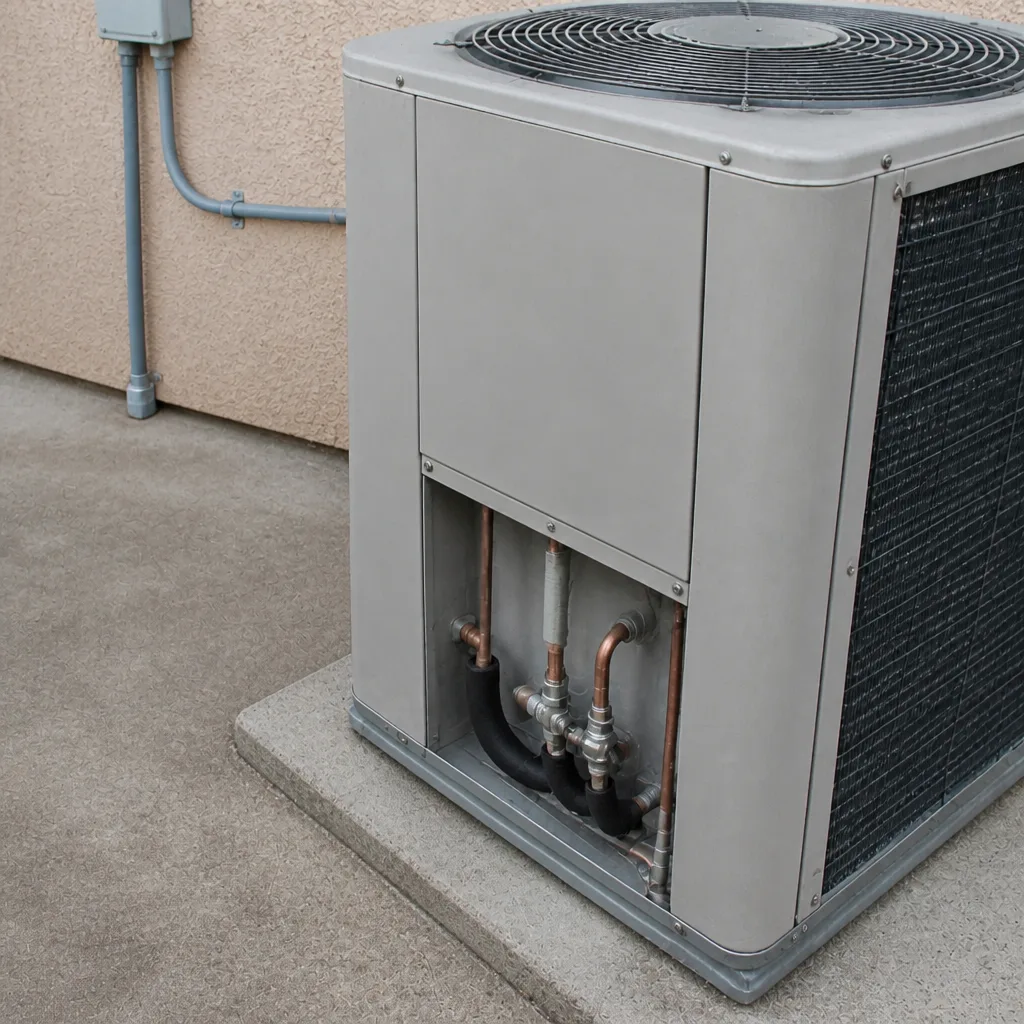
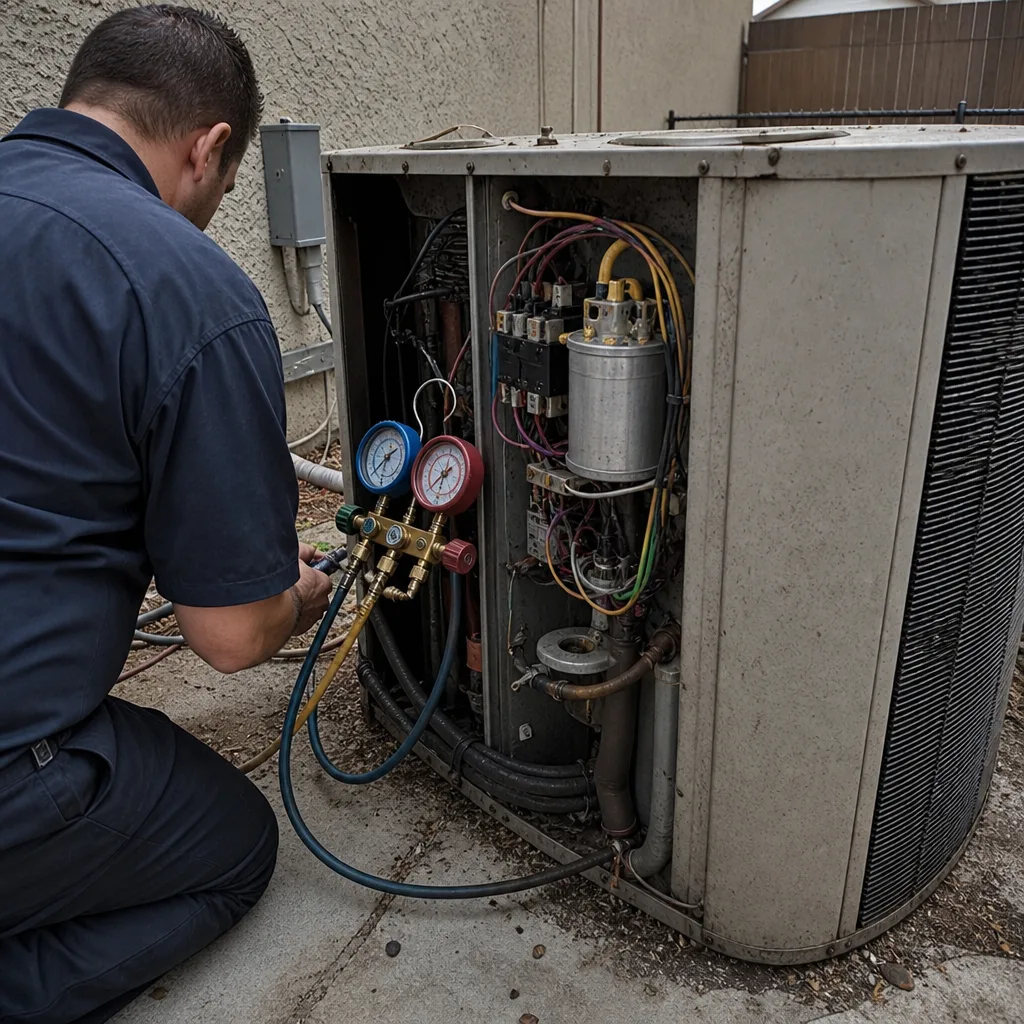
See the difference
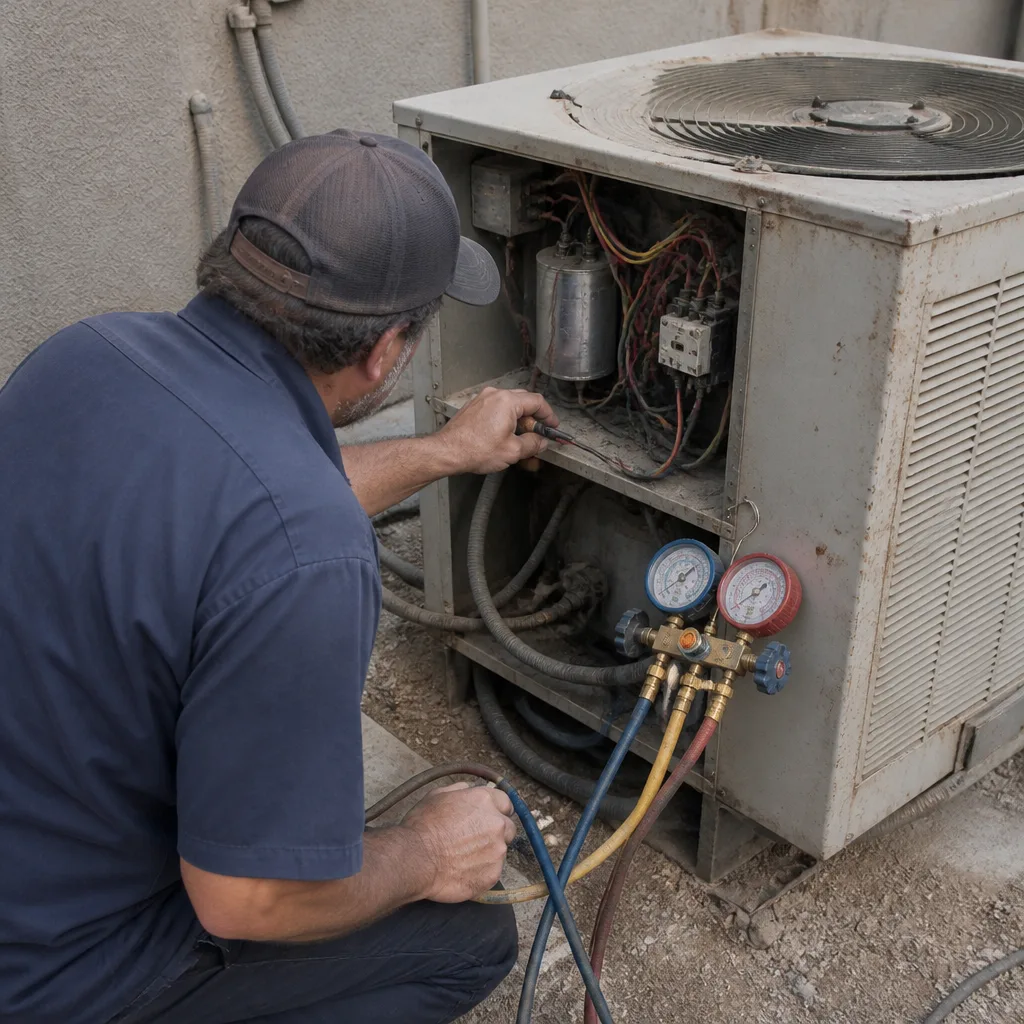 Before
 After
 Before
 After
 Before
 After
Best HVAC System for a Cold Climate? In Sunrise Manor, Buy for Heat, Not Cold
If you’re searching for the best HVAC system for a cold climate in Sunrise Manor, the honest answer is that you probably don’t need one. Sunrise Manor averages around 294 sunny days a year and runs past 110°F by mid-July, so a system built for Minneapolis or Denver solves a problem you don’t have while underperforming on the one you do. For most homes here, the right pick is a two-stage split system rated 16 SEER2 or higher (SEER2 is the efficiency score for how well a unit turns electricity into cold air), or a variable-capacity mini-split rated to run at 115°F outdoor ambient. Call (833) 892-8106 and we’ll tell you which fits your house before anyone quotes a price.
We’re Halden Heating & Air Sunrise Manor, and we get this question a lot from homeowners who clicked a national guide written for a different climate. Here’s how to actually weigh your options.
Why the Cold-Climate Guide Is Steering You Wrong
Most “best cold climate” content is built around heating capacity at sub-zero temperatures: how many BTUs a furnace pushes at -10°F, whether a heat pump keeps working at -13°F, how the defrost cycle handles freezing rain. None of that governs performance on the east valley floor.
In Sunrise Manor, the make-or-break spec is cooling efficiency at high ambient temperatures. When the outdoor thermometer sits at 108°F for the fourth straight week, your condenser is working against a much harder temperature gap than a unit in Portland ever faces. What determines whether you stay comfortable is how the equipment behaves at 95°F-plus rated conditions, how well the refrigerant charge is set, and whether the coil has room to breathe. A cold-climate heat pump can be perfectly good machinery and still be the wrong buy here, because you’d be paying for low-temperature heating performance you’ll use maybe a dozen nights a year.
The second thing the national guides miss: the housing stock. Sunrise Manor sits unincorporated in Clark County, not inside Las Vegas city limits, which means HVAC work here runs through Clark County building permits and inspections. Much of the housing out toward Frenchman Mountain and Nellis was built before the 1990s, and a big share of the units are aging ranch homes and manufactured homes being retrofitted or replaced rather than installed fresh. That changes the replacement math, and it’s a permit path a lot of out-of-area contractors get wrong.
The Spec That Actually Matters Here: Staging
“Staging” is how many speeds your system can run at. A single-stage unit is either fully on or fully off. A two-stage unit has a lower gear for mild days and a high gear for the worst heat. A variable-speed (or variable-capacity) system ramps continuously between the two.
Staging is the single most useful upgrade for a Sunrise Manor home, because the problem isn’t usually the peak. It’s the gap. A 75°F spring morning and a 112°F July afternoon are wildly different loads, and a single-stage system has one answer for both. It blasts full-tilt on a mild day, overshoots your setpoint, shuts off, and repeats all afternoon. That on-off cycling is where compressors wear out early. Two-stage and variable-speed equipment turns down to match the load, holds a steadier temperature, and pulls more humidity out of the air along the way.
Here’s a rough comparison for the Sunrise Manor replacement decision:
| System type | Efficiency (SEER2) | Best for | Typical installed cost |
|---|---|---|---|
| Single-stage split system | 14-15 | Tight budget, small well-insulated home | $3,500-$5,000 |
| Two-stage split + communicating thermostat | 16-18 | Most Sunrise Manor ranch homes; best balance of comfort and price | $5,000-$6,500 |
| Variable-capacity mini-split (115°F rated) | 18-22 | Manufactured homes, room-by-room control, no ductwork | $6,000-$7,500 |
AC installation in Sunrise Manor generally lands between $3,500 and $7,500 depending on the system and the ductwork condition. When we quote, the written price names the specific equipment model and its SEER2 rating before any work starts, so you can pull the manufacturer data sheet yourself and check the numbers instead of trusting a verbal “it’s rated for your climate.” That’s part of how we run every job.
Insulation First, Equipment Second
This is the part most quotes skip. A meaningful number of the manufactured homes in Sunrise Manor have R-11 wall insulation and an uninsulated belly board (the underside floor barrier), and a lot of the older ranch houses are running single-pane windows that let the July sun pour straight in.
Put a high-efficiency system into an envelope that leaks and one of two things happens. Either the equipment is sized to the actual heat load, which means you’re paying for capacity that fights the sun through the walls instead of cooling the room, or it’s oversized for the conditioned space and short-cycles. Short-cycling is the slow killer: the compressor never runs long enough to stabilize, it starts and stops dozens of times a day, and that’s where early compressor failures come from. We’ve seen it repeatedly in the pre-1990 stock east of Nellis.
So our first recommendation on a replacement is usually unglamorous: tighten the envelope before you upgrade the equipment. Sealing ducts, adding attic insulation, and addressing single-pane windows will let a smaller, cheaper system do the job of a bigger one. Then you buy the right size, not a bigger one to compensate.
How to Vet a Replacement in Four Steps
If you’re weighing options, run the decision in this order. It keeps you from overpaying for cold-weather features you’ll never use.
- Get a load calculation, not a rule of thumb. Ask for a Manual J load calc (the standard engineering method for sizing a system to a specific house). A “we’ll match what’s there” quote is guessing.
- Check the ambient rating. Ask what outdoor temperature the unit is rated to run at. You want 95°F-plus, and a mini-split at 115°F. If the spec sheet talks about -10°F heating, it’s aimed at the wrong climate.
- Confirm the envelope work. Ask whether duct sealing and insulation are part of the plan. If they’re not, ask why the sizing still works.
- Get the model and SEER2 in writing before work starts. Compare it to the manufacturer data sheet yourself. No verbal assurances.
Every job we book comes with a written price before any work begins, a written guarantee on the repair, and a free second visit if it fails, all under our 365-Day Done Right Promise. Book online, get a live arrival time, and track your tech to the door instead of sitting through a four-hour window. Our technicians have up to 22 years of experience, and we’re certified on Lennox, Goodman, Rheem, and York equipment, among others.
Common Sunrise Manor Scenarios
Here’s where the cold-climate guides really fall short: they never describe what actually breaks. These are patterns we see on the east side again and again, and they change what “best” means for your house.
- The 1970s ranch with original ducts. The duct runs were sized for an evaporative-cooler-era layout and often can’t deliver the airflow a modern system needs. A high-SEER2 unit choked by undersized ducts underperforms a modest one with sealed, right-sized ducts.
- The manufactured home with an uninsulated belly board. Here a variable-capacity mini-split rated to 115°F often beats a big split system, because it doesn’t fight duct losses and it can cool room by room. But a mini-split on a leaky envelope still short-cycles, so envelope work comes first.
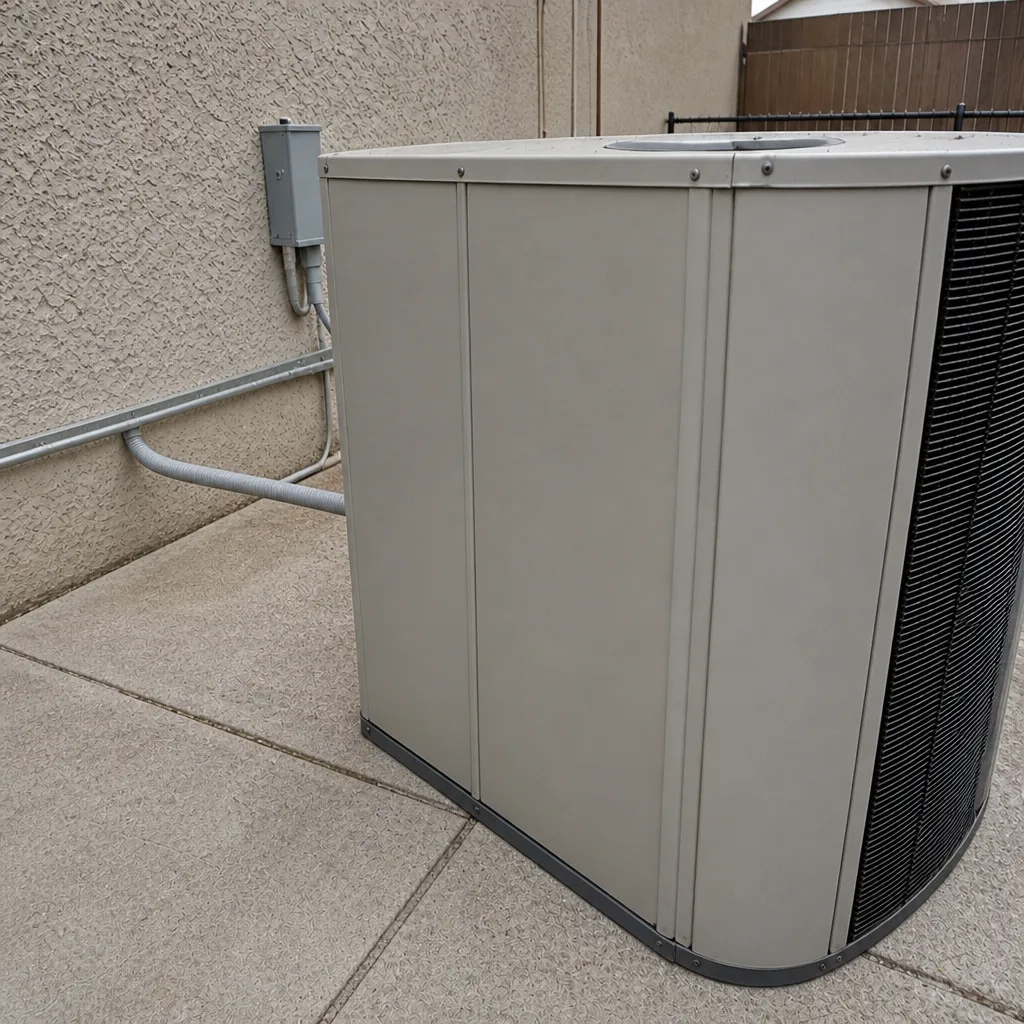
- The gravel-yard condenser packed with desert dust. East-side dust and gravel coat the coils fast. Clearance for airflow is a real spec here, not an afterthought, and a coil that can’t breathe will fail no matter how efficient the unit is.
- The 35°F December night. This is the one legitimate cold-weather wrinkle. Sunrise Manor homes do see occasional nights in the 30s, so a heat pump with a low-ambient kit (a factory add-on that keeps it heating in colder outdoor air) is more useful here than a cold-climate compressor built for sub-zero.
If your system is on its last legs and you want to talk heating too, our Heating & Furnace in Sunrise Manor page covers the winter side of the equation.
FAQs
For most Sunrise Manor homes, a two-stage split system rated 16 SEER2 or higher with a communicating thermostat, or a variable-capacity mini-split rated to 115°F, is the right call. Cold-climate heating capacity isn’t the governing spec here; high-ambient cooling efficiency and staging are. Call (833) 892-8106 and we’ll match a system to your house, not a national template.
Usually not. Sunrise Manor hits 110°F-plus by mid-July and only drops toward 35°F on a handful of winter nights, so a low-ambient kit on a standard heat pump covers the cold-weather edge. A sub-zero-rated cold-climate compressor is overkill here and you’d pay for capability you won’t use.
AC installation in Sunrise Manor runs $3,500 to $7,500 depending on the system and your ductwork. A two-stage split with a communicating thermostat typically lands around $5,000 to $6,500, while a variable-capacity mini-split can reach $6,000 to $7,500. Call (833) 892-8106 for a written quote with the exact model and SEER2 rating.
In most pre-1990 Sunrise Manor homes, yes. Original duct runs from the evaporative-cooler era often can’t deliver the airflow a modern system needs, so sealing and right-sizing ducts first lets a smaller system perform better. Skipping that step means the new equipment underperforms no matter how efficient it is.
Get a Real Answer for Your House
If you’d rather have it looked at than guess from a guide written for a different climate, Halden Heating & Air Sunrise Manor offers a no-pressure assessment in Sunrise Manor. We’ll check your load, ducts, and envelope, then give you a written price before anything starts. Call (833) 892-8106 for a free estimate.
Written by the team at Halden Heating & Air Sunrise Manor, serving Sunrise Manor, NV.