
Last updated November 17, 2026
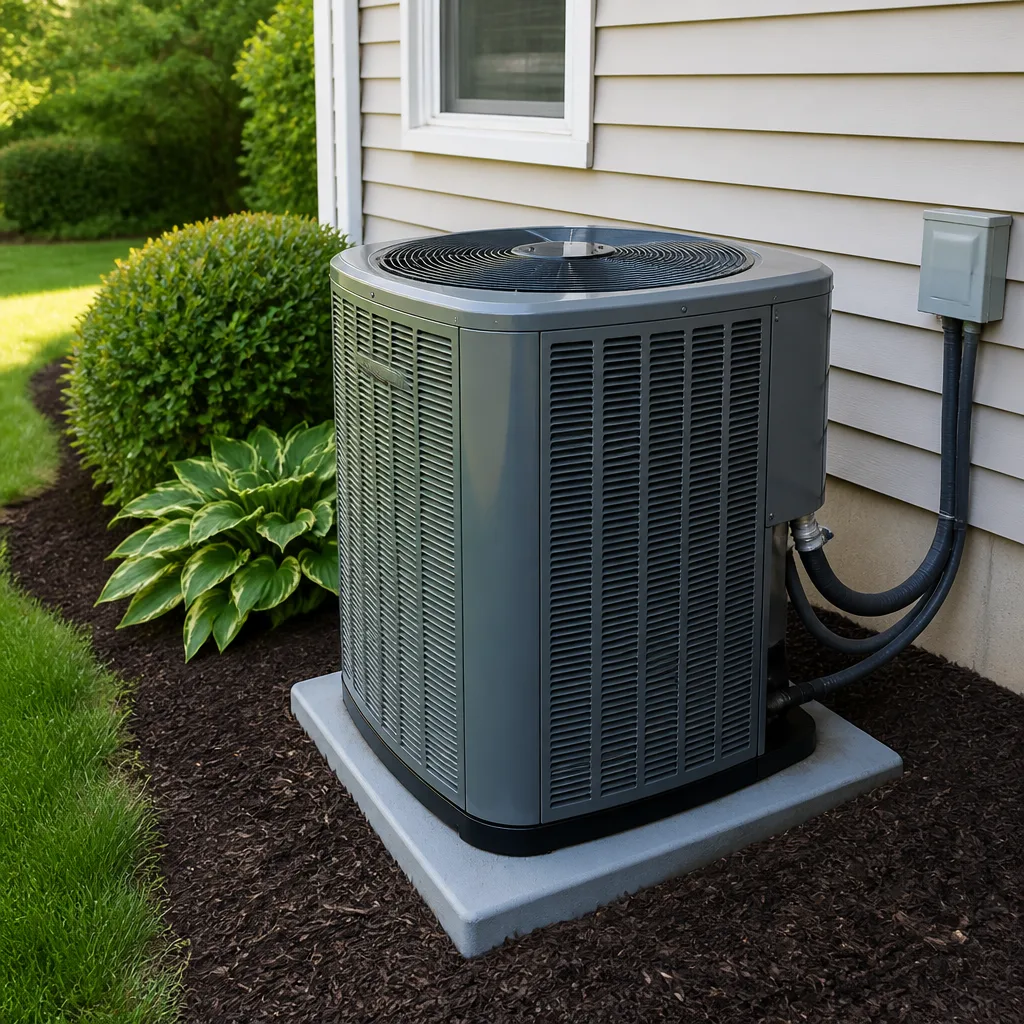 AC repair
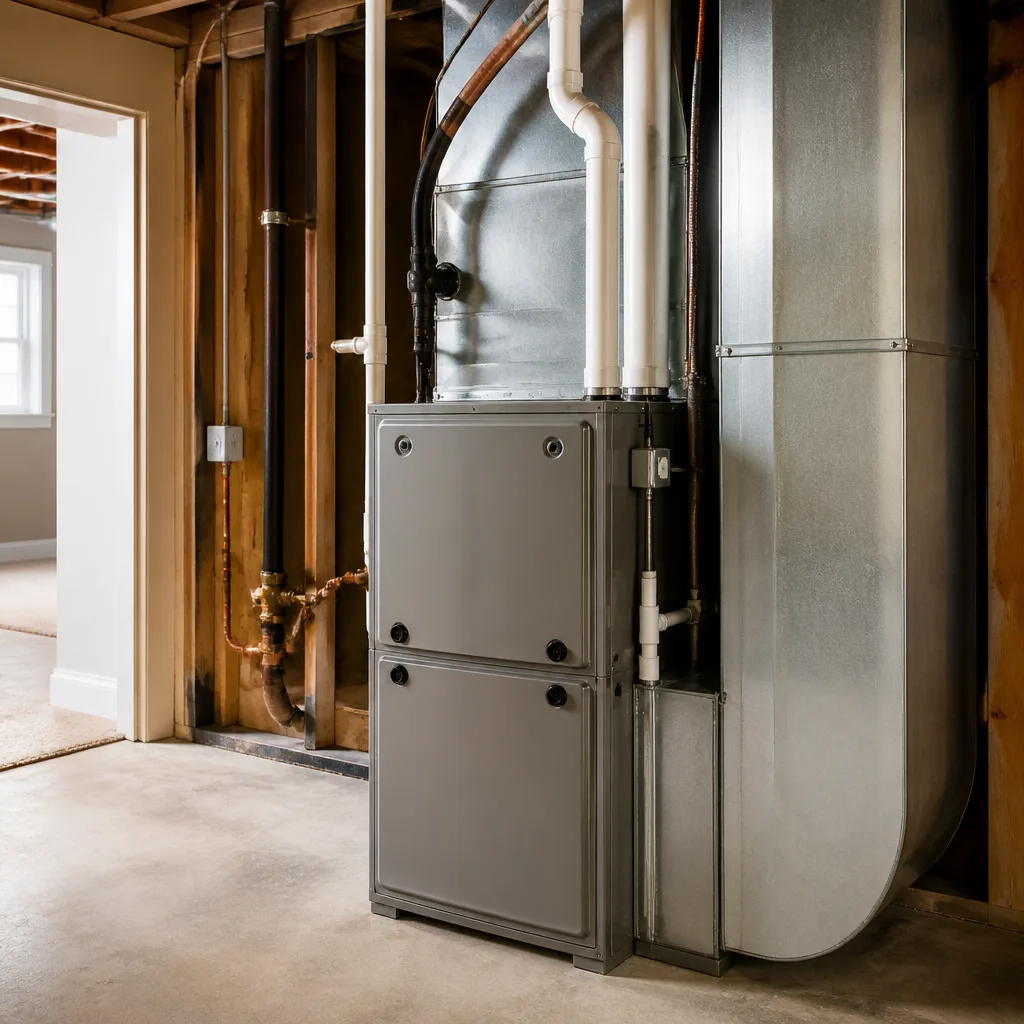 Furnace & heating
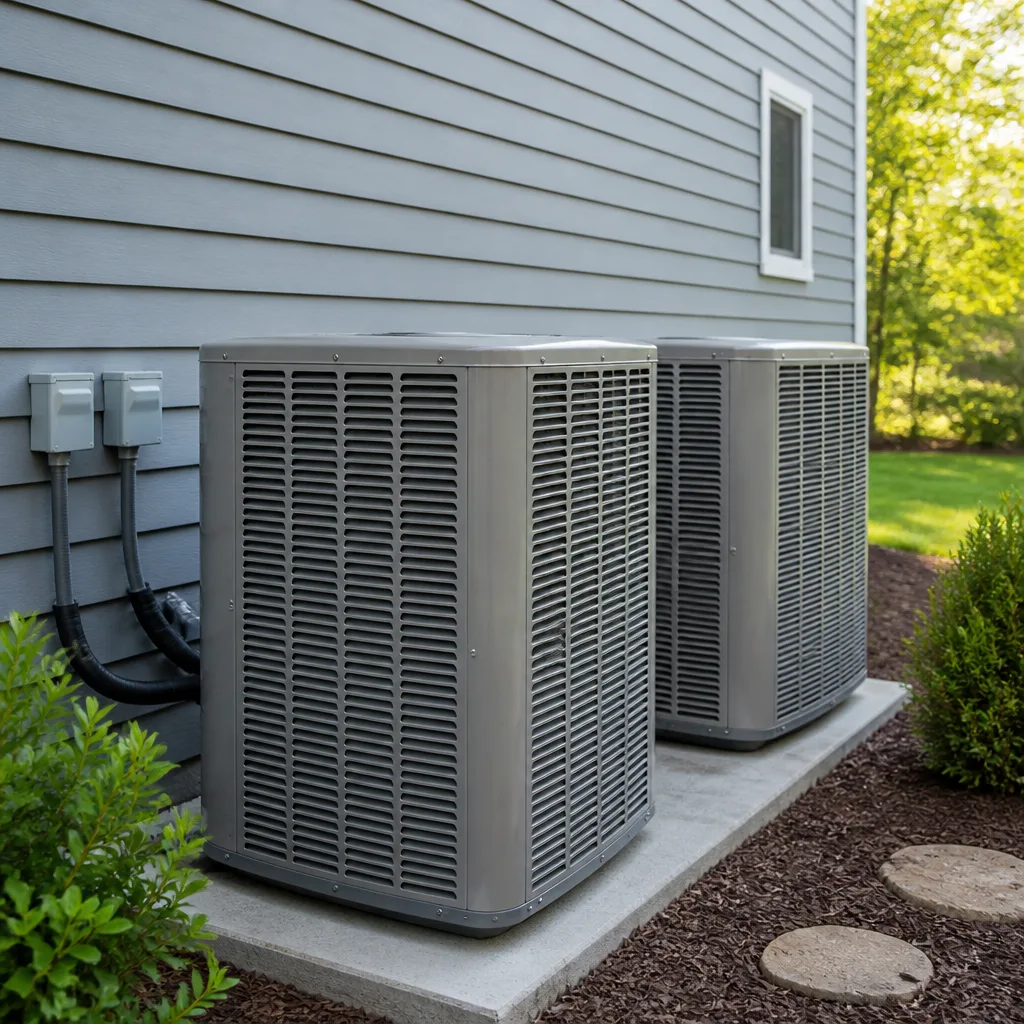 Heat pumps
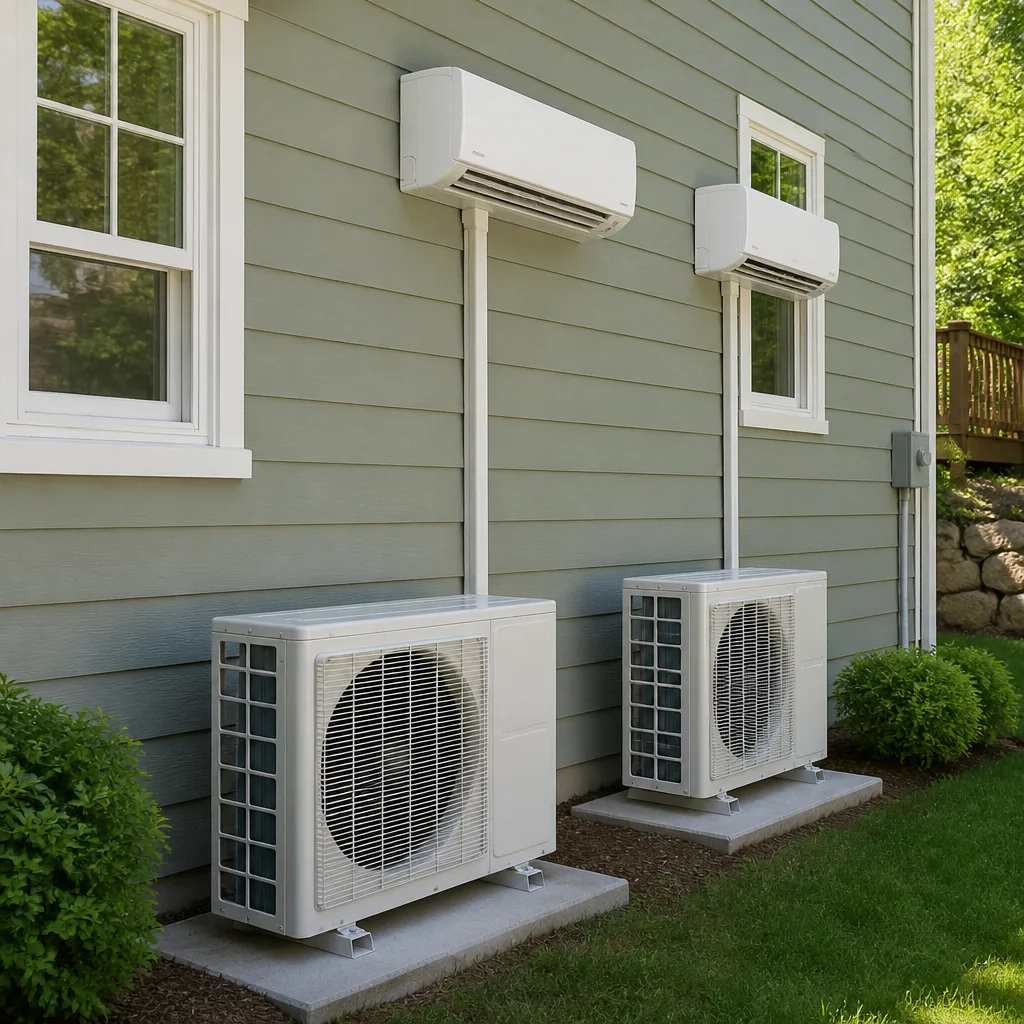 Ductless mini splits
 Carrier
 Trane
 Goodman
Seasonal tune-up and full diagnostic on your Carrier, Trane, or Goodman system - readings shown to you before any repair is proposed
Diagnosis first, numbers second - you approve the repair price before a single part goes in.
Get your free estimateHVAC Permits, Codes & Inspections in NV: What You Need to Know
If an HVAC system installed without a required Clark County permit causes a house fire or a CO incident, your homeowner’s insurance policy has a legal basis to deny the claim. Most homeowners find this out after the fact, usually on the worst day of their year, standing in a burned-out garage with a claims adjuster explaining that the work was never legal to begin with. A surprising share of HVAC work done across Sunrise Manor and the rest of the Las Vegas Valley never pulls a permit at all, because the contractor tells the homeowner “a swap out doesn’t need one” or “it’s just a repair.” Sometimes that’s true. Often it isn’t. This guide walks through exactly when Nevada requires a permit, what the mechanical code actually governs, how to check your own address for open permits, and what happens when an inspector finds work that skipped the line.
Quick Answer
In Nevada, HVAC work that replaces a system, installs new equipment, or alters ductwork or refrigerant lines generally requires a permit through Clark County’s building department, while a simple repair like swapping a capacitor or motor usually does not. Permits typically run $75 to $200 for residential HVAC work. The permit triggers an inspection that protects your homeowner’s insurance coverage and confirms the work meets the Nevada Mechanical Code, which is modeled on the Uniform Mechanical Code.
Styles & brands we work with
- AC repair
- Furnace & heating
- Heat pumps
- Ductless mini splits
- Carrier
- Trane
- Goodman
Table of Contents
- When Does an HVAC Job Need a Permit in Clark County?
- What the Nevada Mechanical Code Actually Requires
- How to Look Up HVAC Permits for Any Address in Clark County
- What a Permit Costs vs. the Cost of Getting Caught
- What “Inspection Ready” Means in Practice
- How Unpermitted HVAC Work Affects Your Insurance
- Sunrise Manor-Specific Factors to Know
When Does an HVAC Job Need a Permit in Clark County?
The short rule: if the work changes the equipment, the fuel source, the refrigerant circuit, or the duct layout, it needs a permit. If you’re swapping a part that fails and restoring the system to how it already worked, it usually does not.
Clark County breaks it into three buckets, and this is where most of the confusion in Sunrise Manor comes from.
Repair – usually no permit
Replacing a compressor, blower motor, capacitor, contactor, control board, or thermostat is a repair. So is recharging refrigerant (topping off the coolant your system needs to produce cold air) to an already-sealed system. These keep the system functioning as installed. No permit. No inspection.
Replacement – permit required
Pulling a dead 3-ton condenser and setting a new 3-ton condenser is replacement, even if the tonnage doesn’t change. Same for a furnace swap. The moment new equipment goes on the pad, the county wants a mechanical permit, because the new unit’s clearances, flue routing, electrical disconnect, and refrigerant charge all have to be verified against current code. If your old unit was legal in 2003 and the code has moved, the new install has to meet the code as it stands today.
New installation or alteration – permit required
Adding a mini-split to a converted garage. Running new ductwork to an addition. Relocating a furnace to a closet. Converting from electric to gas. Any of these is a new installation or alteration, and all of them pull a permit and get inspected.
If a contractor tells you a full changeout “doesn’t need a permit” in Clark County, ask them to put that in writing. They usually won’t. If you’re scheduling a straight replacement and want to know what the permit path looks like, our AC Installation in Sunrise Manor page walks through the process.
What the Nevada Mechanical Code Actually Requires
Nevada runs on a version of the Uniform Mechanical Code (the UMC), which is the model code most Western states adopt and then amend. You don’t need to read the whole thing. You need to know the four areas inspectors in the Las Vegas Valley care about most, because those are the ones that fail.
Refrigerant handling
Anyone who handles refrigerant has to be certified under EPA Section 608, which is a federal rule that applies in every state. The code requires that a new system be charged to the manufacturer’s specifications, that line sets be properly sized, and that the system pass a leak test before the technician walks away. If your installer weighs in the charge and documents it, you’re covered. If they “gas and go,” you’re not.
Clearances
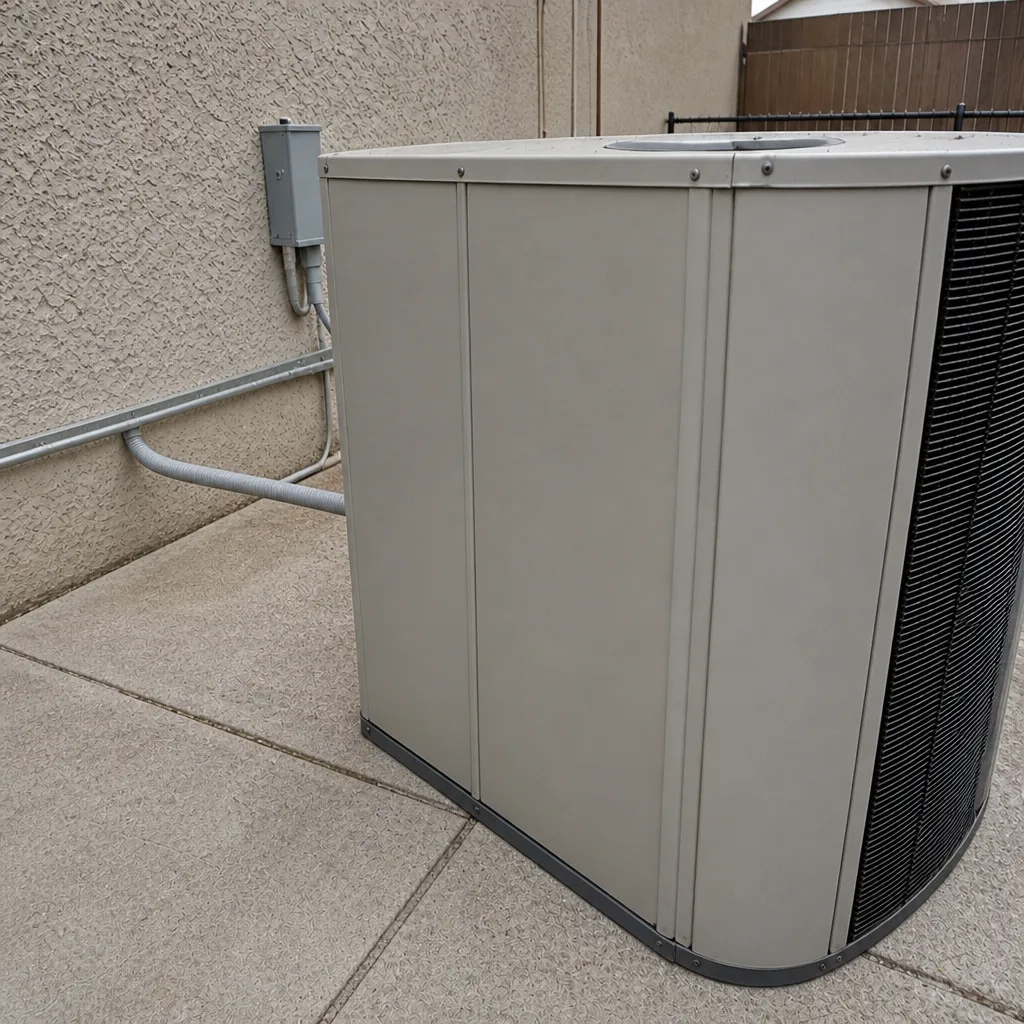
An outdoor condenser needs a specific amount of clearance from walls, fences, and the property line so it can pull air. A furnace in a closet needs clearance from combustibles above, below, and to the sides. In denser Sunrise Manor neighborhoods, where side yards run tight and block walls go up along the property line, clearance violations are the single most common inspection failure we see.
Ductwork
New duct runs have to be sized per the load calculation, sealed at the joints, and supported at specific intervals. The code also limits how much duct can run through unconditioned attic space without insulation, which matters in Sunrise Manor attics that hit 150 degrees in July.
Combustion and venting
Gas furnaces need proper flue sizing, Category-rated venting, and combustion air per the code. This is where CO risk lives. A furnace installed without the venting verified is not just out of code – it’s a health hazard.
For an overview of what a properly installed system should look like in our area, see Furnace Repair in Sunrise Manor.
How to Look Up HVAC Permits for Any Address in Clark County
Before you buy a house, hire a contractor, or sign off on your own permitted work, check the address. It takes ten minutes and it’s the single best way to know what you’re dealing with.
- Go to the Clark County Department of Building & Fire Prevention online permit portal. Search “Clark County building permit search” and use the official portal.
- Search by parcel number or street address. You’ll need the assessor’s parcel number for the most accurate result, which you can find on the Clark County Assessor’s site.
- Look at the permit status for every mechanical permit on the property. You’re looking for “finaled,” “closed,” or “issued – open.”
- Read the inspection history. Each inspection has a result: passed, failed, partial. A failed inspection with no follow-up means the work was flagged and never corrected.
- Cross-check against the sale date. If the equipment was replaced right before the sale and there’s no permit, that work was unpermitted. You inherit the liability.
Open mechanical permits aren’t automatically a red flag – the homeowner may still be finishing the job. Closed permits with a “finaled” status mean the work passed. The middle ground is the one that should make you nervous: permitted, failed, never re-inspected, never closed.
What a Permit Costs vs. the Cost of Getting Caught
Residential HVAC permits in Clark County typically run $75 to $200 depending on the scope. A straight condenser replacement usually lands on the low end. A full system changeout with ductwork modifications runs higher.
The cost of skipping one is not abstract. Here’s what actually happens:
- Stop-work order: if a county inspector sees the work or a neighbor reports it, the job gets shut down, sometimes mid-install. The equipment sits. The labor stops. You still owe the contractor for what they’ve done.
- Tear-out: in some cases the county requires opening walls or removing ductwork to verify code compliance. That’s a $500 to $2,500+ hit in drywall, paint, and re-work, on top of the original install.
- Double permit fees: pulling a permit after the fact, when the county catches the unpermitted work, typically means fees well above the original cost, and never less than the standard permit.
- Sale complications: a buyer’s inspector will find open or missing permits and the deal gets renegotiated or walked. We’ve seen closings in Sunrise Manor delayed weeks while the seller tried to retroactively permit a five-year-old install.
A $75 permit against a potential $3,000 fix is not a close call. When you’re comparing estimates, make sure the permit is a line item on the quote. For a straight repair, see AC Repair in Sunrise Manor.
What “Inspection Ready” Means in Practice
An inspector is not grading you. They’re working down a checklist, and if the install is complete, labeled, and accessible, the inspection takes ten minutes and passes. Here’s the checklist they’re typically working from for a residential mechanical inspection.
- Permit on site and visible – usually posted at the front door or at the equipment.
- Equipment nameplate accessible – the inspector has to read the model and serial numbers to confirm the unit matches the permit.
- Electrical disconnect within sight of the outdoor unit and labeled.
- Refrigerant charging documented, line set properly supported.
- Combustion venting inspected and labeled with the flue type.
- Condensate drain properly sloped and terminated (no draining into the yard, no puddles on the pad).
- Ductwork sealed, supported, insulated in attic runs.
- Clearances verified on all sides – no fence or block wall within the manufacturer’s minimum.
“Inspection ready” means all eight of these are complete and documented before the inspector shows up, not scrambled together that morning. That’s the difference between one visit and three. Sunrise Manor homes on slab with tight side yards tend to fail item eight, so we verify clearances during install, not after.
How Unpermitted HVAC Work Affects Your Insurance
This is the part that actually costs people life-changing money. Your homeowner’s policy covers you for accidents. It does not cover you for work that was performed illegally and never inspected. Insurers call it a “material misrepresentation” or an “unpermitted work exclusion,” and it’s written into most policies.
Say an unpermitted gas furnace install develops a flue leak. The family gets sick, the fire department responds, the house is damaged. The insurer investigates and finds no permit, no inspection, no evidence of code compliance. They have grounds to deny the claim entirely. Even if they pay, they may pay a reduced amount or pursue the contractor separately.
The reverse is also true. A permitted install has a documented inspection. The inspector verified clearances, venting, and combustion air. If something fails down the line, you have a paper trail showing the work was code-compliant at install. That paper trail is what protects your claim and, in a lot of cases, your mortgage.
Our Halden Heating & Air Sunrise Manor home page covers what we include on every job, permit documentation among them.
Sunrise Manor-Specific Factors to Know
Sunrise Manor sits on the east side of the Valley, and the housing stock runs older than most of Clark County. A lot of the homes here were built in the 1960s through the 1980s, which means three things for HVAC permits.
Original equipment is being replaced in waves. When a 1985 build finally swaps its second or third condenser, the electrical service and duct clearances are often below current code. The permit process catches that before the new unit sits on a 40-year-old pad with a 40-year-old disconnect. That’s a good thing, even if it adds a small line item.
Retrofits from swamp coolers to refrigerated air are common. A lot of Sunrise Manor homes were originally evaporative-cooled. When homeowners convert to a split system, that’s a new installation – ductwork, electrical, and condensate all get inspected. It’s one of the more common permit pulls here.
Attic heat is brutal on ductwork. Attic runs in Sunrise Manor regularly exceed 155 degrees in July, and duct sealant and insulation degrade faster here than in other parts of the country. New ductwork has to be insulated to spec for climate zone, which the code enforces and the inspection verifies.
We service Goodman, Rheem, York, and Daikin equipment across Sunrise Manor, and every install we run follows the permit path the county requires.
Common Mistakes to Avoid
- Assuming a straight swap doesn’t need a permit. It usually does. “Same tonnage, same location” does not exempt a replacement in Clark County. If new equipment goes in, the permit follows.
- Trusting a contractor who says “we don’t pull permits, it speeds things up.” It speeds up their checkbook and slows down your resale. Certified, licensed contractors pull the permit – it’s a normal part of the job, not an add-on.
- Pulling the homeowner permit yourself for a full install. Nevada allows homeowners to pull permits for work on their own residence, but you then take on the liability if something fails, and most insurers won’t cover a homeowner-permitted install the same way.
- Not checking the inspection status after the job. A permit that’s pulled but never finaled is not closed. Confirm the final inspection passed, with a printed record, before you pay the balance.
- Ignoring clearance in tight Sunrise Manor side yards. Block walls get built against the condenser over the years, and the clearance that was fine in 1995 fails today. Walk the install before the inspector does.
- Skipping the permit on a converted garage or addition. Adding a mini-split to a converted space is new work. It has to be permitted and inspected, and unpermitted conversions can complicate insurance and resale for years.
- Letting a contractor “self-certify” the refrigerant charge. The charge has to be documented and match the manufacturer’s spec. If they can’t tell you what they weighed in, they didn’t pull the permit right.
See the difference
 Before
 After
 Before
 After
 Before
 After
When to Call a Professional
If you’re planning a system replacement, adding a mini-split, converting from a swamp cooler, or you suspect a prior install was unpermitted, call before the work gets scheduled. We can walk the address, pull the permit history through the Clark County portal, and tell you exactly what the install has to look like to pass inspection without a tear-out. If you’re buying a home in Sunrise Manor and the inspector flagged an HVAC concern, we can check the permit record before you close. Halden Heating & Air Sunrise Manor offers free estimates in Sunrise Manor – call (833) 892-8106. Our technicians have up to 22 years of experience, every job comes with a written price before work starts, and every repair carries a written guarantee under our 365-Day Done Right Promise.
Frequently Asked Questions
Yes. A full AC replacement in Clark County requires a mechanical permit, even if the new unit is the same size and in the same location. The permit triggers an inspection that verifies clearances, refrigerant charge, electrical disconnect, and venting. Call (833) 892-8106 for a free estimate that includes the permit.
Residential HVAC permits in Clark County typically run $75 to $200 depending on the scope of work. A simple condenser replacement lands on the low end; a system changeout with ductwork modification runs higher. Pulling a permit after unpermitted work has been discovered costs considerably more. Call (833) 892-8106 for an exact quote – estimates are free.
The buyer’s inspector will find it, and the deal typically gets renegotiated or delayed while the seller retroactively permits the work. In some cases the county requires opening walls to verify compliance, and if the equipment caused a claim event, your insurer has grounds to deny coverage. Get the permit record checked before you list.
No. Replacing a failing part on an existing system – capacitor, contactor, blower motor, control board, thermostat – is a repair and does not require a permit in Clark County. The line is drawn where new equipment is installed or existing equipment is altered.
Nevada allows homeowners to pull permits for work on their own primary residence, but that means you take on the liability if the installation fails. Most insurers won’t cover a homeowner-permitted install the same way they cover a licensed contractor’s job. In practice, letting a licensed contractor pull the permit protects your coverage.
An inspector verifies the permit, equipment nameplate, electrical disconnect, refrigerant charging documentation, combustion venting, condensate drain, ductwork, and clearances. In Sunrise Manor, tight side yards and block walls are the most common clearance failures. Call (833) 892-8106 if you want your install checked before inspection day.
The Bottom Line
Permits exist because HVAC systems can kill people when they’re done wrong, and the inspection is the only check on whether they were done right. In Clark County, replacement, new installation, and duct or refrigerant alterations all require a permit – usually $75 to $200 – while part repairs generally don’t. The permit record follows the property forever, protects your insurance coverage if something fails, and comes up at every future sale. If you’re in Sunrise Manor and unsure where your install lands, check the address on the county portal first and call a licensed contractor second. A written price and a permitted job are the baseline, not the upgrade.
Ready to schedule an install or get a straight answer on what your job needs? Call (833) 892-8106 for a free estimate. Book online, get a live arrival time you can track to your door, and see a locked written price before a single tool gets picked up.
Written by the team at Halden Heating & Air Sunrise Manor.