
Last updated November 17, 2026
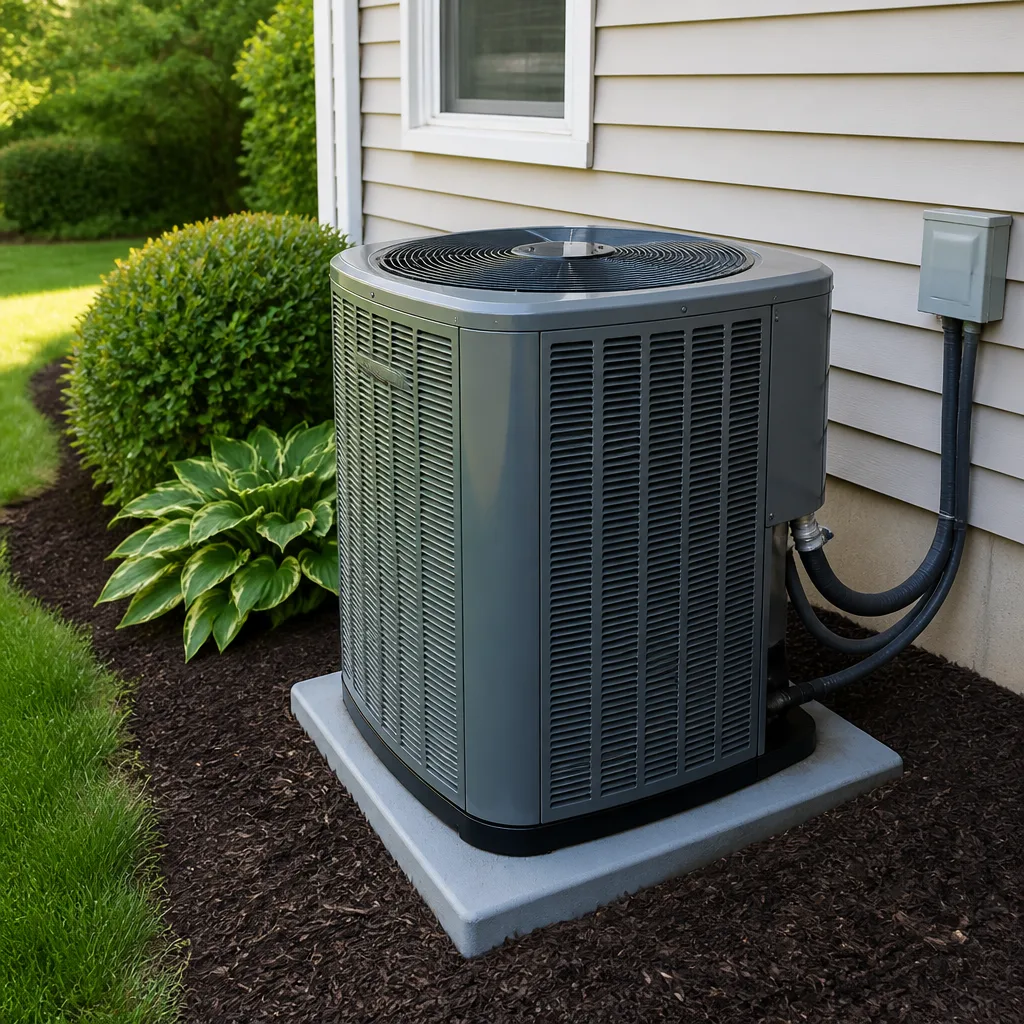 AC repair
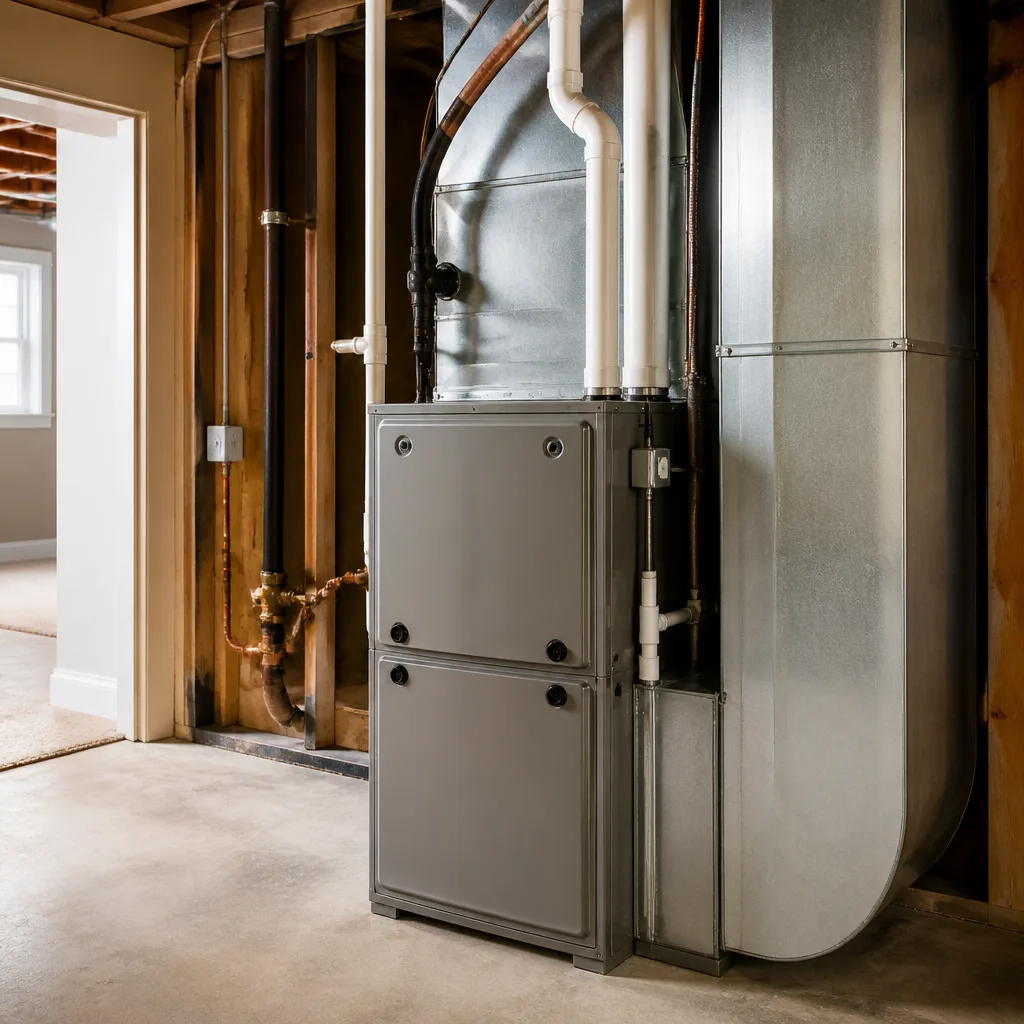 Furnace & heating
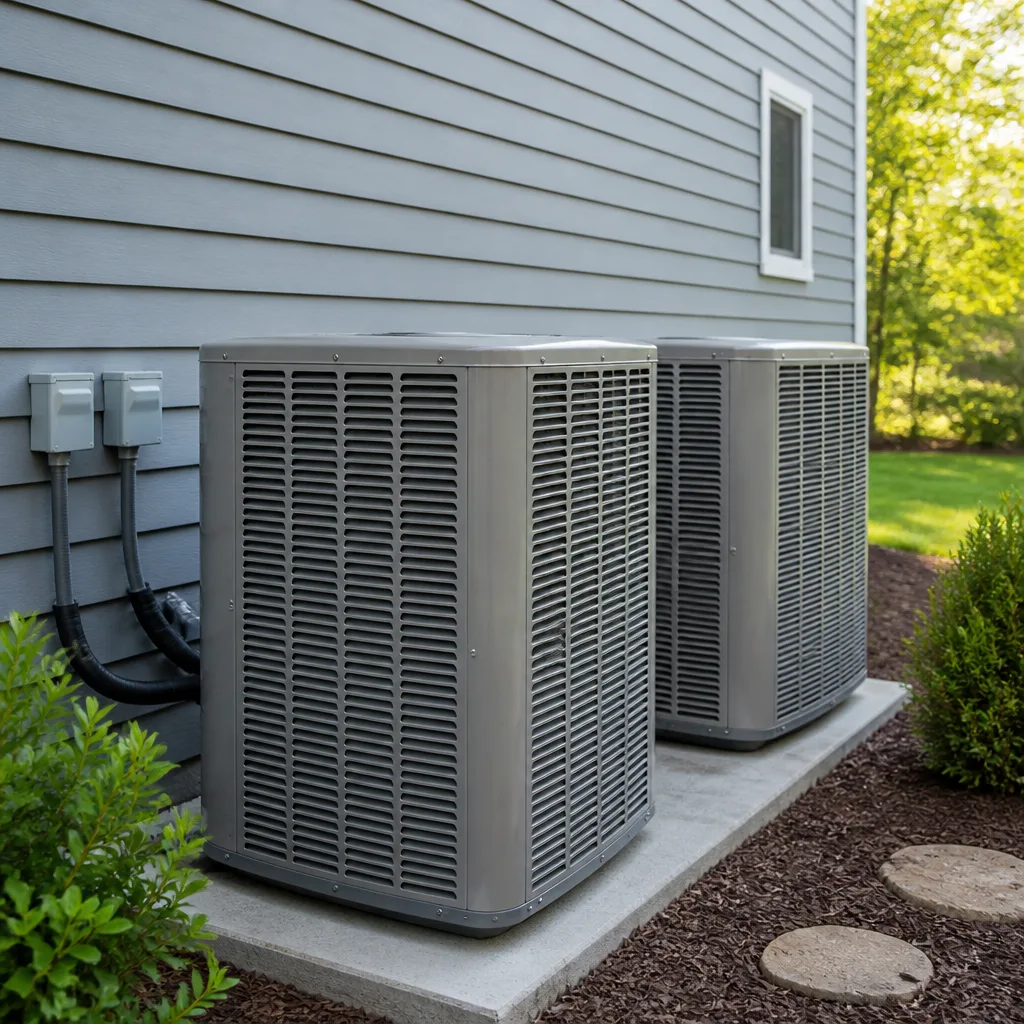 Heat pumps
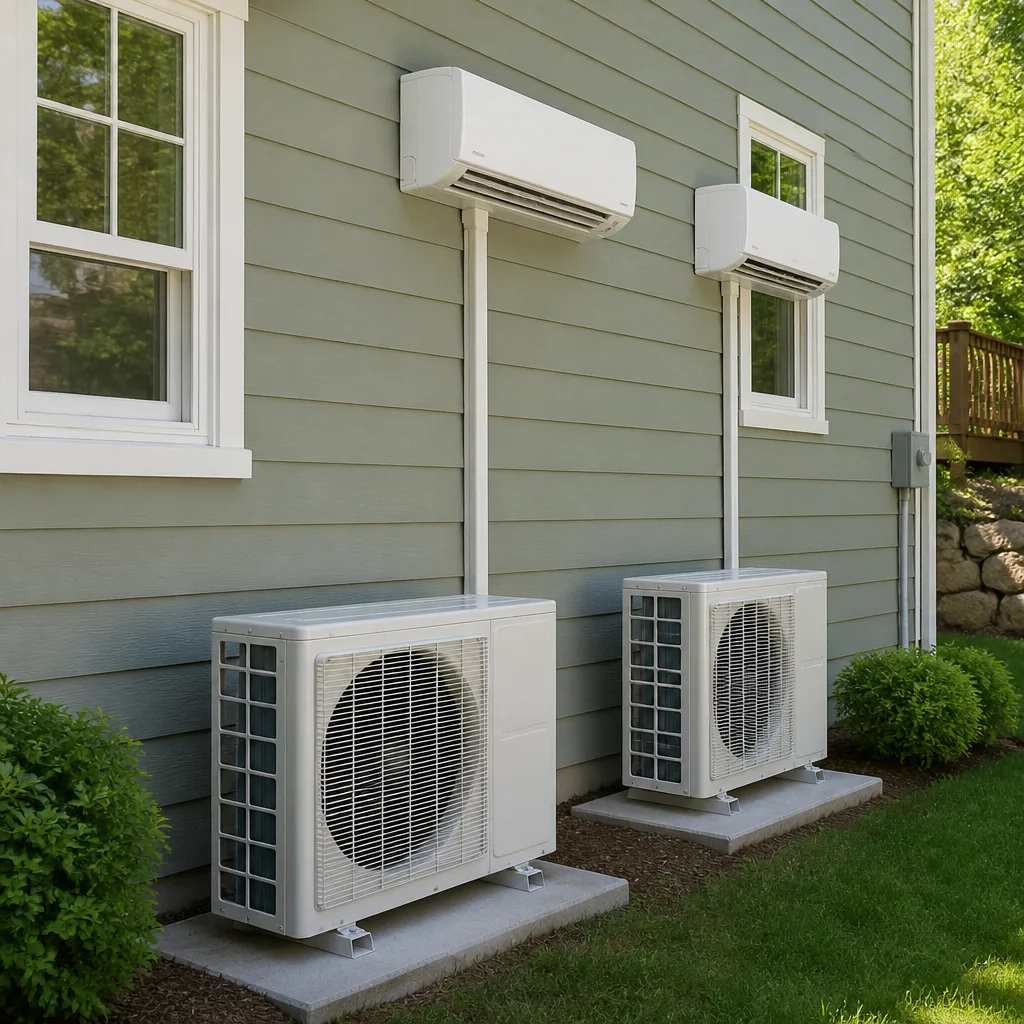 Ductless mini splits
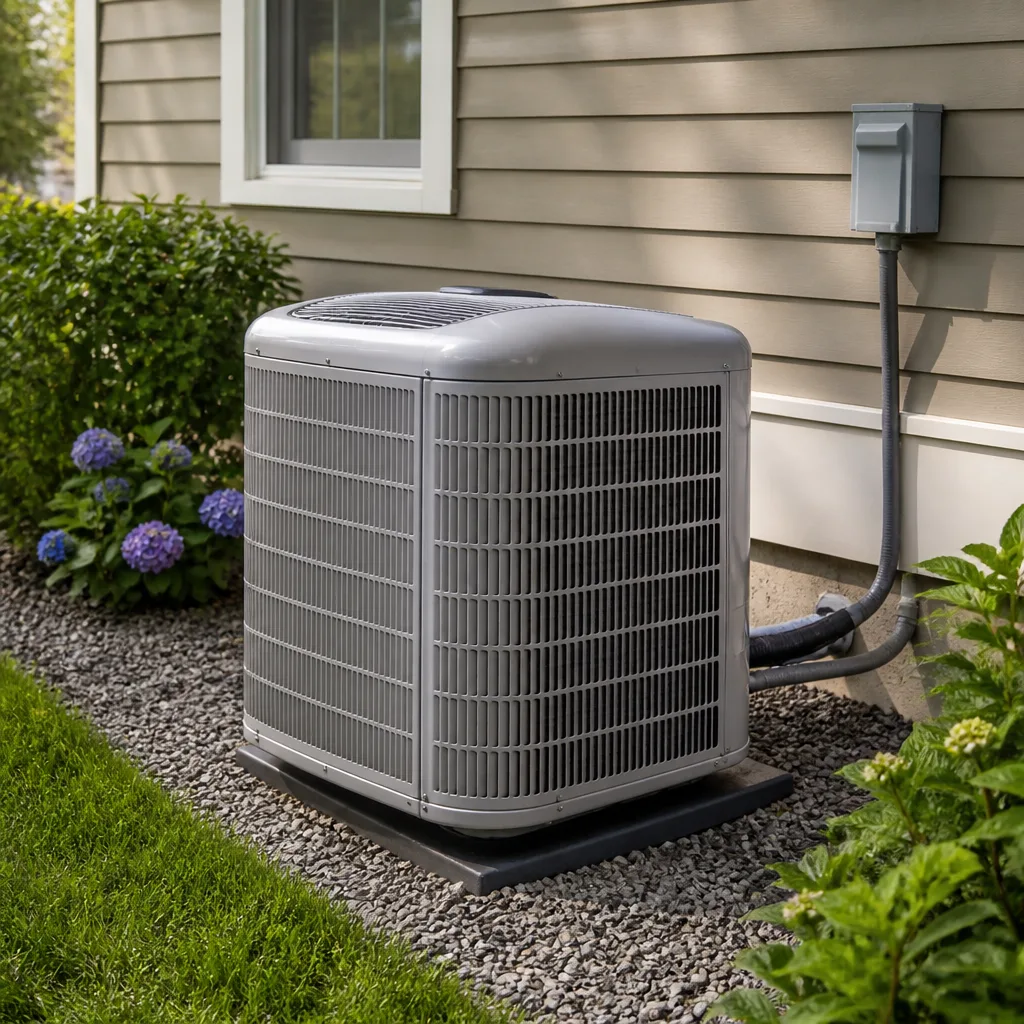 Carrier
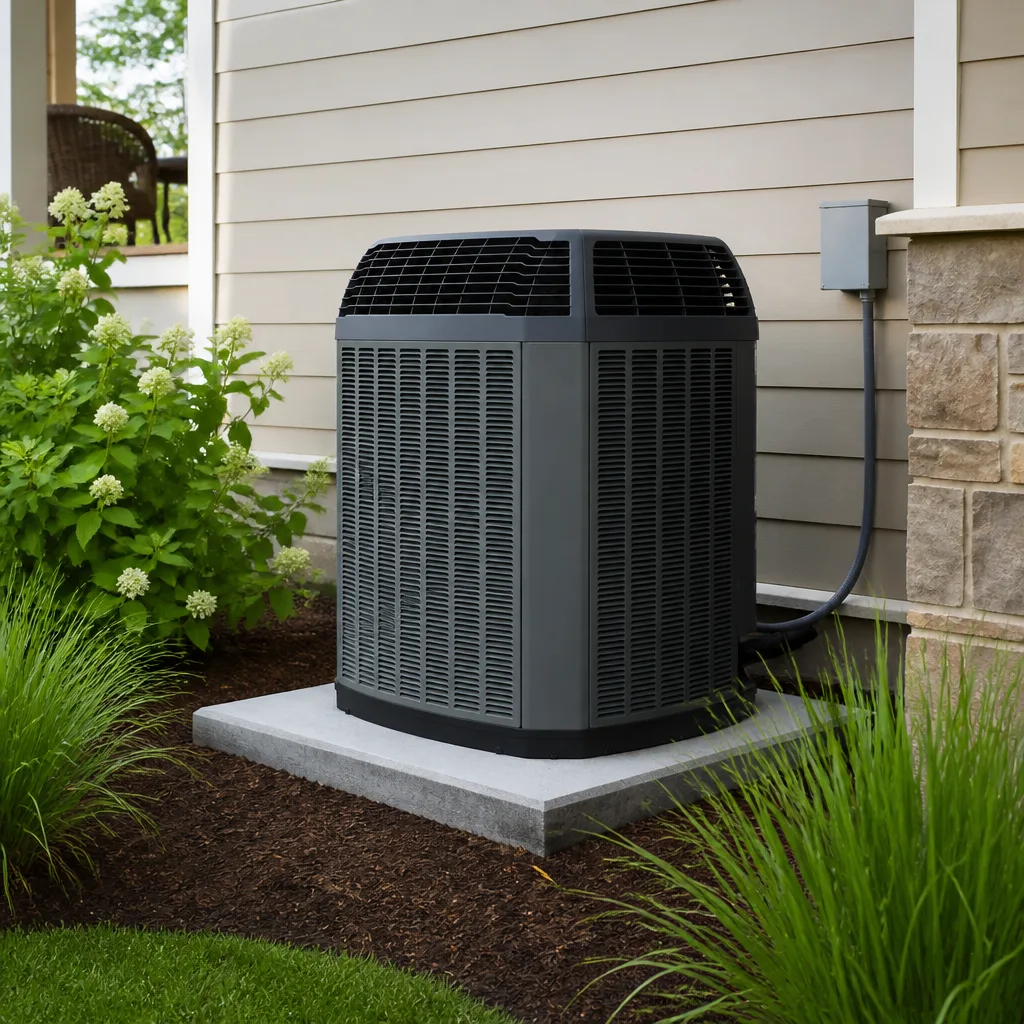 Trane
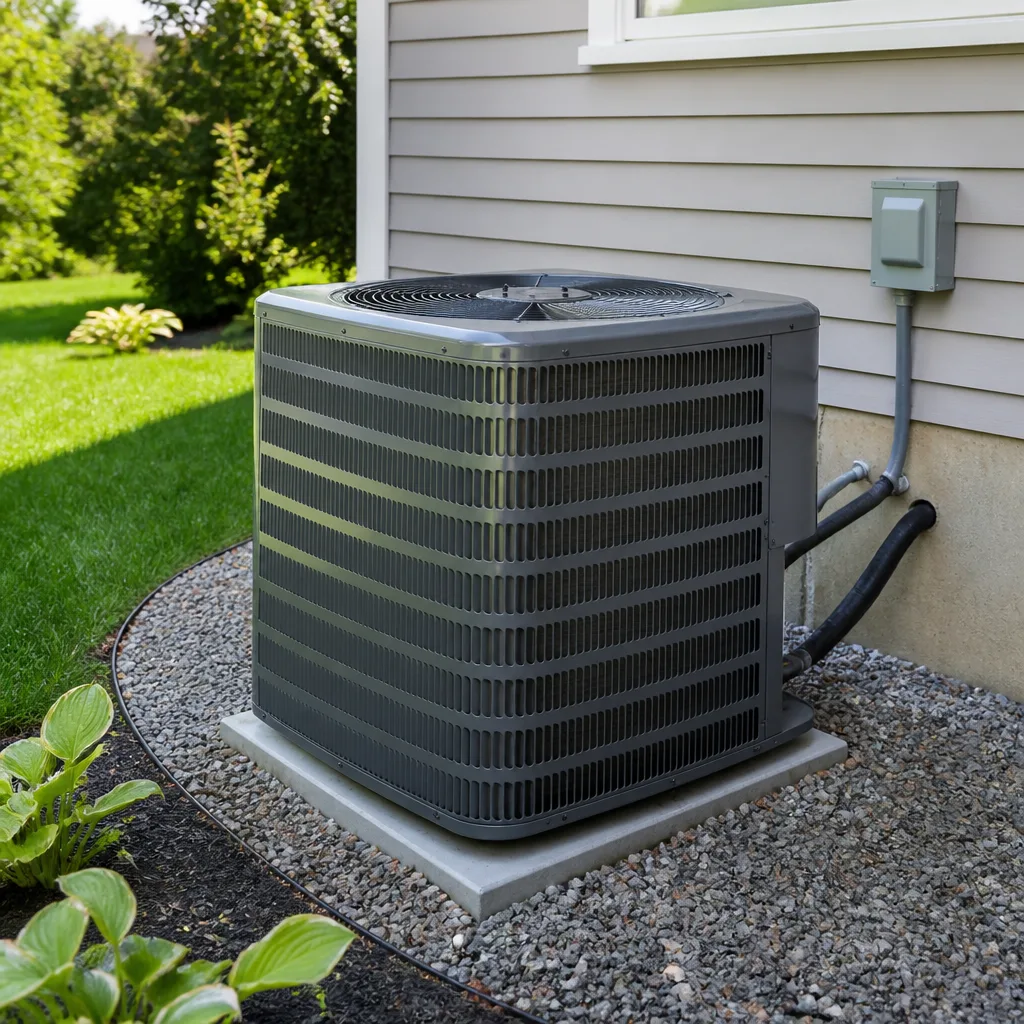 Goodman
Seasonal tune-up and full diagnostic on your Carrier, Trane, or Goodman system - readings shown to you before any repair is proposed
Diagnosis first, numbers second - you approve the repair price before a single part goes in.
Get your free estimateFurnace Repair Warning Signs Every Homeowner Should Know
A sulfur or rotten-egg smell near your furnace is a gas leak, and you should leave the house before you finish this sentence. A burning dust smell the first time you fire up the furnace in fall is completely normal and usually burns off in about 20 minutes. The trouble is most homeowners can’t tell the difference, and treating one like the other is either genuinely dangerous or an unnecessary service call. In our experience across Sunrise Manor, the furnaces that fail hard in January gave clear warnings in October. This guide teaches you to read the signals by sense, rate how urgent each one is, and know exactly what to have ready before you call.
Quick Answer
The most serious furnace warning signs are a rotten-egg or sulfur smell (gas leak – get out and call your gas utility), soot streaks or a yellow burner flame (incomplete combustion and carbon monoxide risk), and repeated headaches indoors that ease when you leave. Less urgent but still important signals include squealing belts, banging on startup, short-cycling, and rising gas bills with no change in your habits. Group every symptom you notice by smell, sound, or performance, then match it to an urgency tier below so you know whether to leave now, call today, or schedule a visit soon.
Styles & brands we work with
- AC repair
- Furnace & heating
- Heat pumps
- Ductless mini splits
- Carrier
- Trane
- Goodman
Table of Contents
- The four senses of furnace trouble: a symptom taxonomy
- Smells: what’s normal, what’s a gas leak, and the CO signals
- The five furnace sounds and what each one means
- Performance signals: short cycling, cold rooms, and high bills
- Carbon monoxide signs that don’t involve a detector
- The “it still kind of works” trap
- What to have ready before you call
- Repair now or replace: what early repair actually saves
The Four Senses of Furnace Trouble: A Symptom Taxonomy
Most furnace guides dump every symptom into one long list, which is useless when your furnace is acting up at 9 p.m. and you need to decide whether to act. We organize symptoms by the sense that detects them, then attach an urgency tier. That pairing tells you what to do next, not just what might be wrong.
Smell is your fastest alert. The nose catches gas, exhaust, and burning components long before performance drops.
Sound is your earliest warning. Bearing squeal and startup banging typically show up weeks before a breakdown, which gives you a scheduling window if you catch them.
Sight covers the flame color, soot streaks, corrosion, and water around the unit. Visual signs point to combustion problems that a detector might miss.
Performance and thermostat behavior includes short cycling (furnace turns on and off in short bursts), cold rooms, and bills that creep up with no change in how you heat.
Each sign then lands in one of four urgency tiers:
- Leave now: gas smell, soot, or a yellow flame. Shut the thermostat off if you can reach it safely, get everyone outside, and call your gas utility from another location.
- Call today: repeated headaches at home, a furnace that won’t ignite, or clicking that continues for more than a minute.
- Schedule soon: squealing, banging on startup, or short cycling. Not a same-hour emergency, but don’t let it slide through the season.
- Monitor and note: a faint dust smell in fall, one cold room, or mild rattling. Watch for changes and mention it at your next service.
Sunrise Manor’s dry desert air and the dust that comes with it push a lot of furnaces toward the rattling and dirty-burner end of this list. That’s a local pattern worth knowing: dust pulled through a return isn’t just an annoyance, it settles on burners and blowers over a season.
Smells: What’s Normal, What’s a Gas Leak, and the CO Signals
Get this section right and you’ll save yourself both panic and danger. Smell breaks into three buckets, and they’re very different.
Normal: A burning dust smell the first time you run the furnace each fall. Dust has settled on the heat exchanger over summer and burns off in about 20 minutes. It smells like a hair dryer on high. Open a window, and if it’s gone within the half hour, you’re fine.
Gas leak: A rotten-egg or sulfur smell. Natural gas is odorized so you can smell it. If you catch that odor anywhere near the furnace, don’t flip switches, don’t light anything, and don’t try to diagnose it. Get out, and call your gas utility from outside. This is a leave-now tier every time.
Electrical or exhaust: A sharp, acrid, or metallic burning smell, or exhaust that lingers near the unit. This points to overheated wiring or a blocked flue. Shut the system down at the thermostat and call for service today – don’t run it to “see if it clears.”
Then there’s the smell you carry with you: persistent headaches, nausea, or dizziness indoors that ease when you leave the house and return when you come back. That pattern is a carbon monoxide flag. CO is odorless, so your body sometimes reacts before a detector does. Pair a headache pattern with any other symptom on this list and treat it as a call-today situation.
The Five Furnace Sounds and What Each One Means
Sounds are the most useful early warning system a furnace gives you, and most homeowners write them off as “the house settling.” Here are the five we hear about most, what each one actually indicates, and how fast to move.
- Banging on startup. A small gas buildup ignites suddenly (delayed ignition) or ductwork expands with the heat. Delayed ignition puts strain on the system and should be looked at – schedule soon, and sooner if it happens every cycle.
- Squealing or screeching. Usually a worn blower belt or a dry bearing. Belts are cheap and bearings aren’t, so catching the squeal early is the difference between a small repair and a bigger one. Schedule soon.
- Rattling. Often a loose access panel, a foreign object in the blower, or debris in the ductwork. Worth a look; if it’s just the panel, a tech can secure it in minutes. Monitor and note unless it’s loud.
- Rumbling during the burner cycle. Dirty burners or a partially clogged burner assembly. This is one that quietly climbs your gas bill while it runs. Schedule soon.
- Clicking that doesn’t stop. The igniter is trying to light the burner and failing, likely over and over. A furnace clicking for more than a minute and not firing is a call-today situation.
One note on sound: if the fan itself is what’s squealing, that’s still a repair, not something to run for weeks. In our experience, worn components that get left alone in Sunrise Manor dust tend to fail at the coldest point of the winter, which is exactly when every street in the neighborhood is calling at once.
Performance Signals: Short Cycling, Cold Rooms, and High Bills
Not every warning is a noise or a smell. Some of the clearest signals show up in how the house feels and what your gas bill says. Watch for these:
- Short cycling. The furnace runs in short bursts, hits the temperature, then cycles back on quickly. It’s often a dirty filter, a thermostat issue, or a system that’s oversized. Left alone, it wears the components out faster.
- Cold rooms that used to be warm. If the back bedroom was fine last winter and runs cold now, airflow or a blower problem is likely. It won’t fix itself with a warmer thermostat setting.
- Gas bills creeping up without a change in habits. A dirty burner or a furnace that’s working harder to heat is a common culprit. If your usage pattern is the same and the bill isn’t, something is off.
- An error code on the control board. Most modern furnaces flash a code at you, and newer units from brands like Goodman or Rheem often have a small LED or display. Note the code before you call – it saves a lot of guessing.
These performance signals stack. One mild cold room might be a closed vent. A cold room plus short cycling plus a rising bill is a pattern worth booking a diagnostic for. And if you’re also tracking unusual noise, the furnace is telling you something. For a broader baseline on how your system should be performing, our Halden Heating & Air Sunrise Manor home page lays out the whole service lineup.
Carbon Monoxide Signs That Don’t Involve a Detector
Your CO detector is your last line of defense, not your only one. When combustion goes incomplete – meaning the burner isn’t burning its fuel cleanly – the furnace gives off warning signs the detector only catches once levels climb. Know these three.
1. A yellow or orange burner flame. A healthy gas flame is blue and steady. A yellow or orange, dancing flame is a common sign of incomplete combustion. This is a call-today sight, especially combined with soot.
2. Soot streaks. Black or dark brown streaks near the furnace, on the heat exchanger, or around the flue point to incomplete combustion. Soot is a leave-now tier – don’t wait for the detector to announce it.
3. Headaches that leave with you. The tell is the pattern: headaches, dizziness, or nausea that hit at home, ease when you step outside, and come back when you return. If that cycle repeats, treat it as a call-today situation.
If you get two or more of these together, shut the furnace down and call for service. There’s a reason we treat this section seriously – a trained professional is the right call for combustion problems, and we don’t recommend poking around an open combustion chamber. Alongside the safety checks, this is one more reason to keep a scheduled inspection on the calendar; our team handles furnace diagnostics, and you can learn more about the repair side on our Furnace Repair in Sunrise Manor page.
The “It Still Kind of Works” Trap
Here’s the rationalization we hear most, and it’s the one that costs the most: “It still heats, mostly. It’s just a little noisy or a little slow.” A furnace that kind of works is spending real money while it waits to fail.
A dirty burner or a short-cycling furnace runs harder to hit the same temperature. That shows up as a higher gas bill month after month, and the cost doesn’t stop there. The failure caught early is usually a smaller repair. The failure that runs until it quits entirely tends to take more with it than just one part – and it always seems to quit in the middle of the coldest stretch. A repair caught early keeps your AC Repair in Sunrise Manor service window open too, because heating and cooling share the same blower and ductwork.
Our rule of thumb: if you’ve noticed a symptom twice, it’s worth a diagnostic. If you’ve noticed it and it’s getting worse, it’s worth booking today. Waiting doesn’t usually turn a warning sign into nothing. It turns it into a bigger bill.
What to Have Ready Before You Call
A productive first call takes about five minutes of prep and saves the ten-minute game of 20 questions on the other end. Have these ready and the technician can often tell you what’s likely and what to expect before anyone is dispatched.
- Brand and model. The data plate is inside the access panel or on the front. We service Carrier, Trane, Lennox, Goodman, Rheem, York, Daikin, Bryant, and American Standard, so knowing the brand helps us route the right tech.
- Approximate age. The data plate or your records will usually show a manufacture year. Age tells a lot about what tends to fail.
- The symptom sequence. Not just “it’s broken” – say “it banged on startup twice this morning, then clicked for a minute and wouldn’t light.” Sequence matters.
- Any error code. A LED flash count or a display code. Write it down before you call.
- What you’ve already tried. Filter change, breaker, thermostat setting. This rules out the easy stuff.
When you’re ready, book a visit, get a live arrival time you can track to the door, and see a written price before any work starts. When you need us today, our AC Installation in Sunrise Manor team handles system questions too, but the fastest way to get a furnace emergency moving is a call.
Repair Now or Replace: What Early Repair Actually Saves
The math is straightforward. A furnace failure caught at the warning stage is usually a repair – a belt, an igniter, a burner cleaning, a control board. A failure that’s run to complete breakdown tends to be a bigger repair bill and often a rushed replacement decision during a cold snap. Most furnace repairs run in the low hundreds depending on the part; a full replacement runs into the thousands.
The other cost is the utility bill. A furnace with dirty burners or short-cycle behavior is burning more gas than it needs to for the heat it delivers, and that shows up every month until it’s fixed. The gap between “repair now” and “run it until it quits” is the part people rarely see on one invoice.
So when do you repair, and when do you replace? Repair makes sense when the unit is in reasonable shape and the fix is a discrete component. Replacement makes more sense when the furnace is aging, the repair is major, and you’re about to spend a chunk of replacement money anyway. If you’re weighing it, the people to ask are the ones standing in front of the unit with a meter. That’s a conversation worth having before the breakdown, not during it. Our AC Installation in Sunrise Manor page lists system brands and the install process if you’re comparing options, and if cooling season is also coming, the same early-repair logic applies to your AC.
Common Mistakes to Avoid
- Treating a gas smell like a dust smell. The fall dust smell and the sulfur smell are very different near your gas furnace in Sunrise Manor. If it smells like rotten eggs, get out and call your utility – not a furnace company.
- Ignoring a yellow flame. A blue flame is healthy; yellow or orange points to incomplete combustion and CO risk. It’s not a “watch it” item.
- Shrugging off a squealing belt. A worn belt is cheap. A seized bearing from a belt left too long isn’t. Catch the squeal.
- Running “kind of works” all winter. The quiet climb in your gas bill and the eventual breakdown cost more than the repair you skipped.
- Calling with no details. Brand, model, age, and error code turn a 20-questions call into a real diagnosis before the tech arrives.
- Letting the filter go. In Sunrise Manor dust, a clogged filter is a short-cycling trigger. Check it monthly during heating season.
See the difference
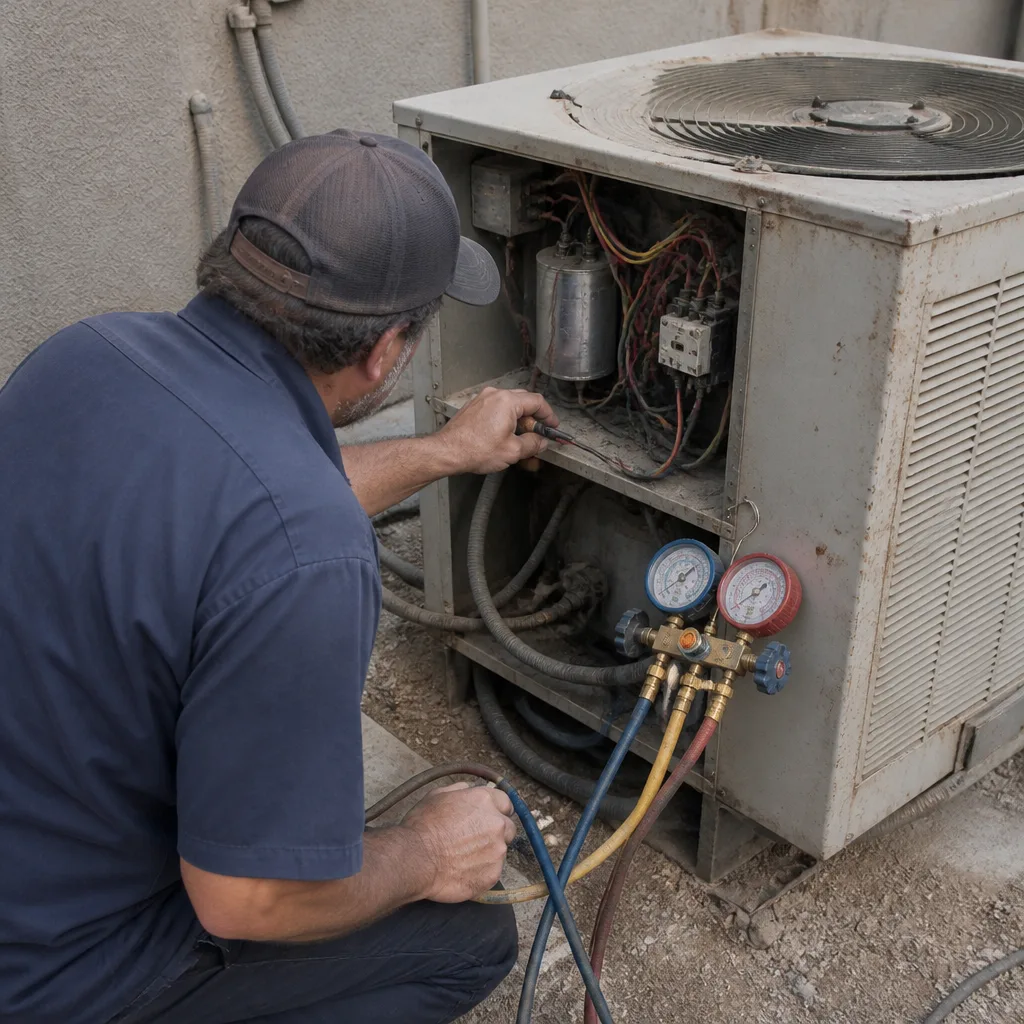 Before
 After
 Before
 After
 Before
 After
When to Call a Professional
Call a professional for anything combustion-related – a yellow flame, soot, gas smell – without touching the burner yourself. Call today if the furnace won’t ignite, keeps clicking, or you have that headache pattern at home. Schedule soon for squealing, startup banging, or short cycling, and don’t attempt an igniter or control board swap yourself; those parts sit next to high-voltage components. If you’re not sure which tier you’re in, describe the symptom and the sequence and let a technician sort it, with a written price before anyone starts. Halden Heating & Air Sunrise Manor offers free estimates in Sunrise Manor – call (833) 892-8106.
Frequently Asked Questions
The most urgent is a sulfur or rotten-egg smell, which signals a possible gas leak. Leave the house immediately and call your gas utility from outside – don’t try to diagnose it from inside.
Yes – a burning dust smell the first time you run the furnace in fall is normal and usually clears in about 20 minutes. An acrid, electrical, or metallic burning smell is not; shut the system down and call for service.
A yellow or orange flame means combustion isn’t complete, which is a carbon monoxide red flag. A healthy gas flame is blue and steady. Turn the furnace off and call a professional.
Short cycling is when the furnace turns on and off in short bursts rather than running until it hits the set temperature. In Sunrise Manor, dust-clogged filters are a common cause – check the filter first, and if short cycling continues, book a diagnostic.
You can handle the non-combustion basics: check the filter, confirm the breaker, and check the thermostat batteries. Anything involving the burner, igniter, gas line, or control board should go to a trained professional.
Have the furnace brand, model, approximate age, the symptom sequence, and any error code ready. That prep lets us tell what’s likely wrong and get a written price and live arrival time to you faster. Call (833) 892-8106 – estimates are free.
The Bottom Line
Furnaces rarely fail without warning. They signal first through smells, sounds, and performance, and your job is to read them accurately. Leave the house for gas, soot, or a yellow flame. Call today for repeated headaches, no ignition, or endless clicking. Schedule soon for squealing, banging, or short cycling. And when the alarm in your head says “it still kind of works,” remember that’s the warning you can afford least to ignore. Check the filter, note the symptoms, and call with your details in hand. That’s how a warning sign becomes a small repair instead of a cold-house emergency.
Call (833) 892-8106 for a free estimate, a written price before any work starts, and a live arrival time you can track to the door.
Written by the team at Halden Heating & Air Sunrise Manor.