
Last updated November 17, 2026
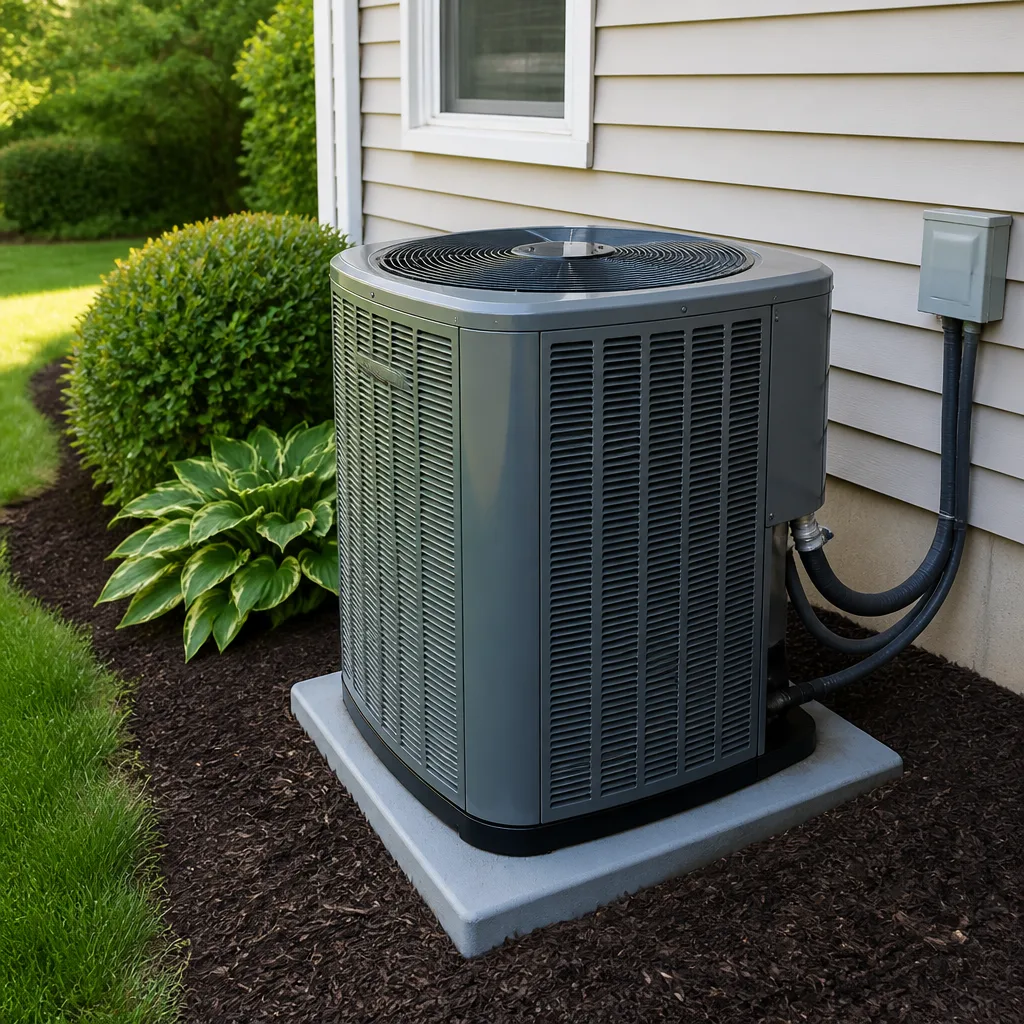 AC repair
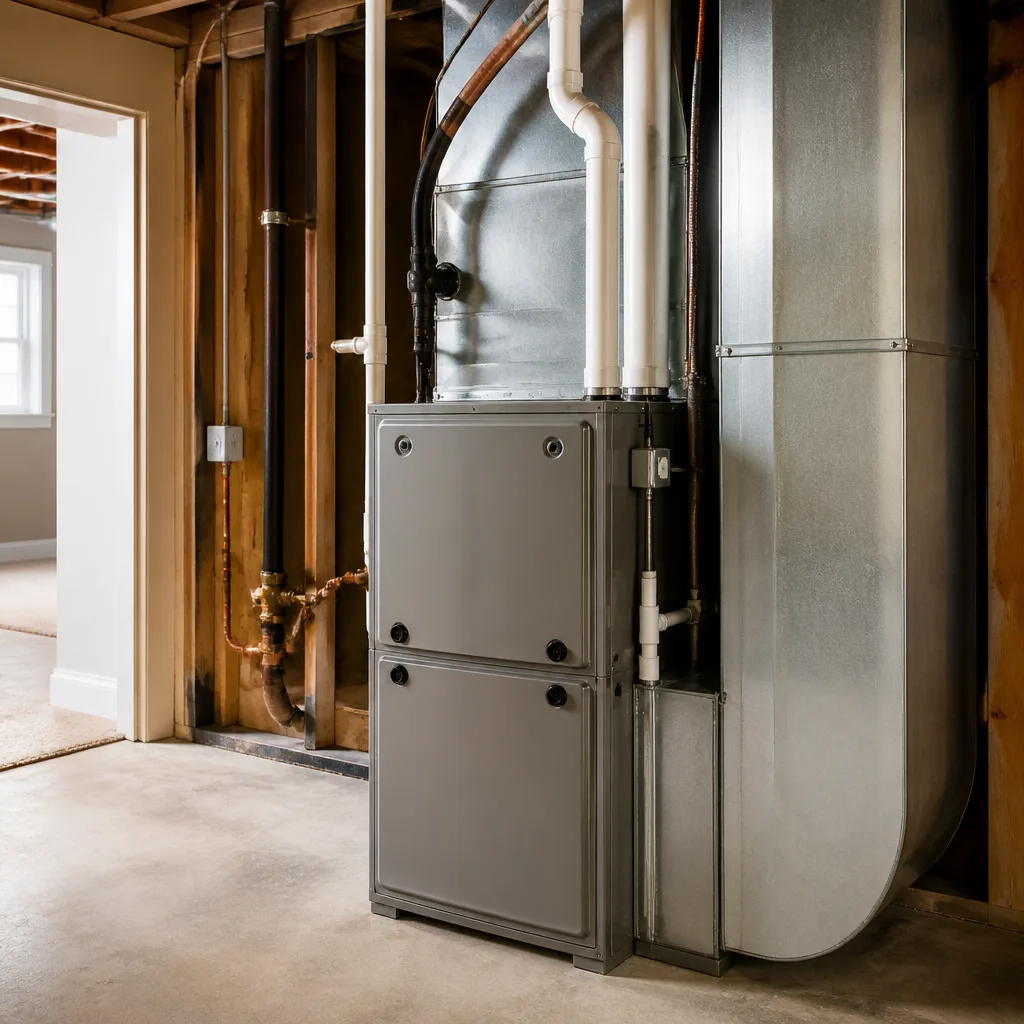 Furnace & heating
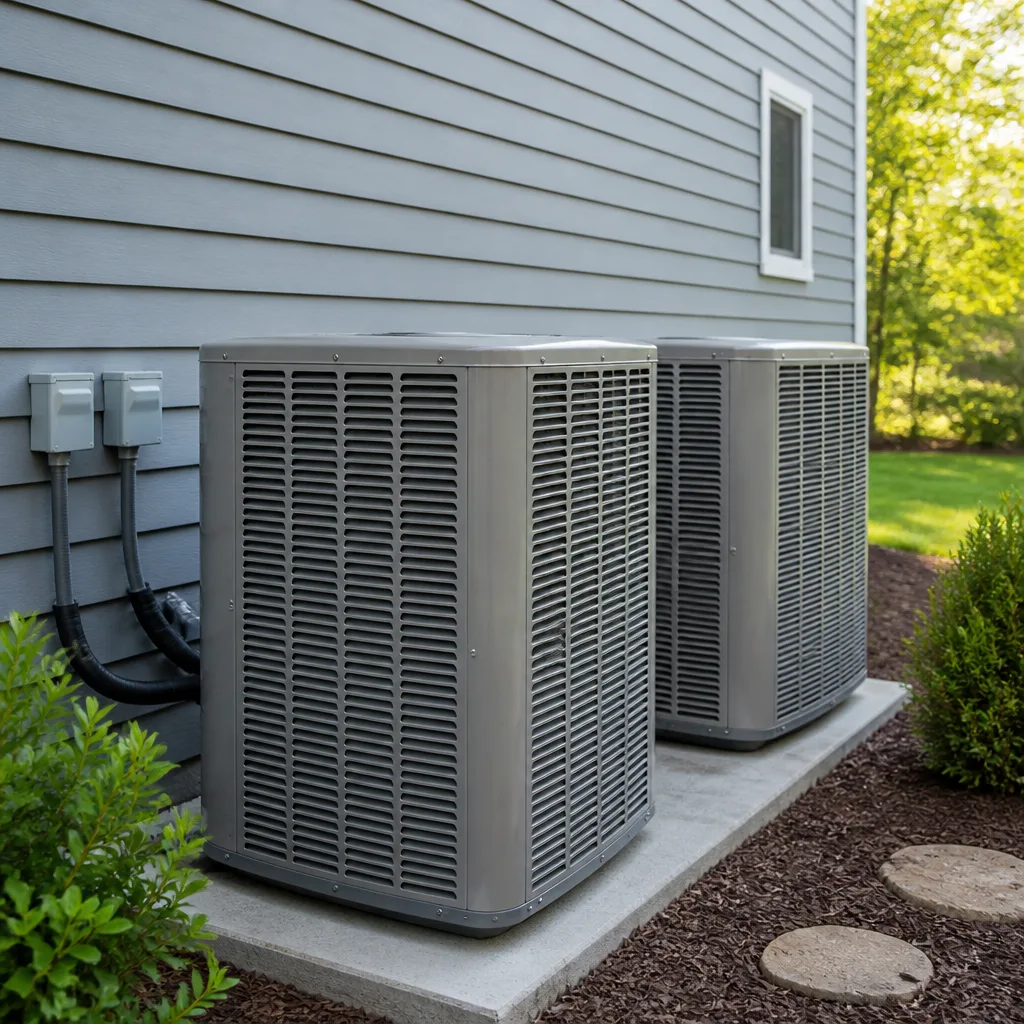 Heat pumps
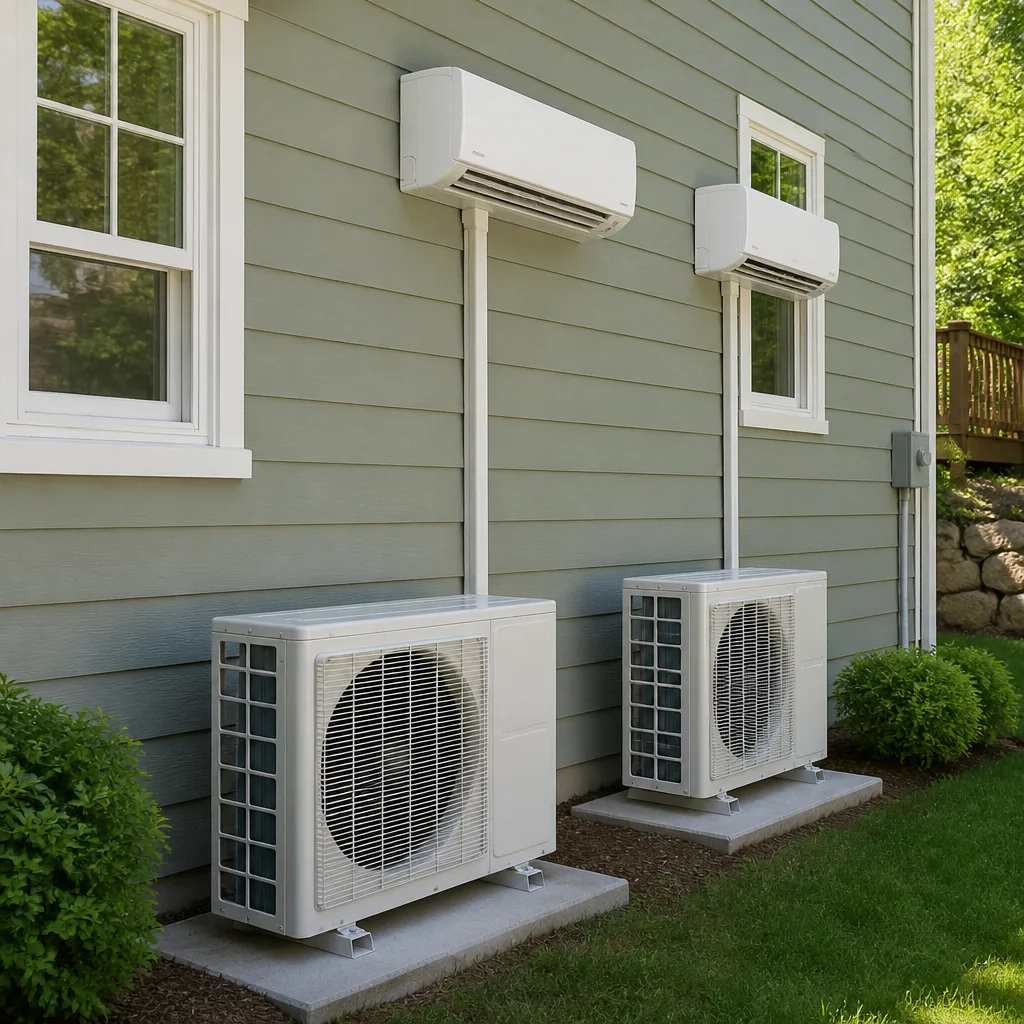 Ductless mini splits
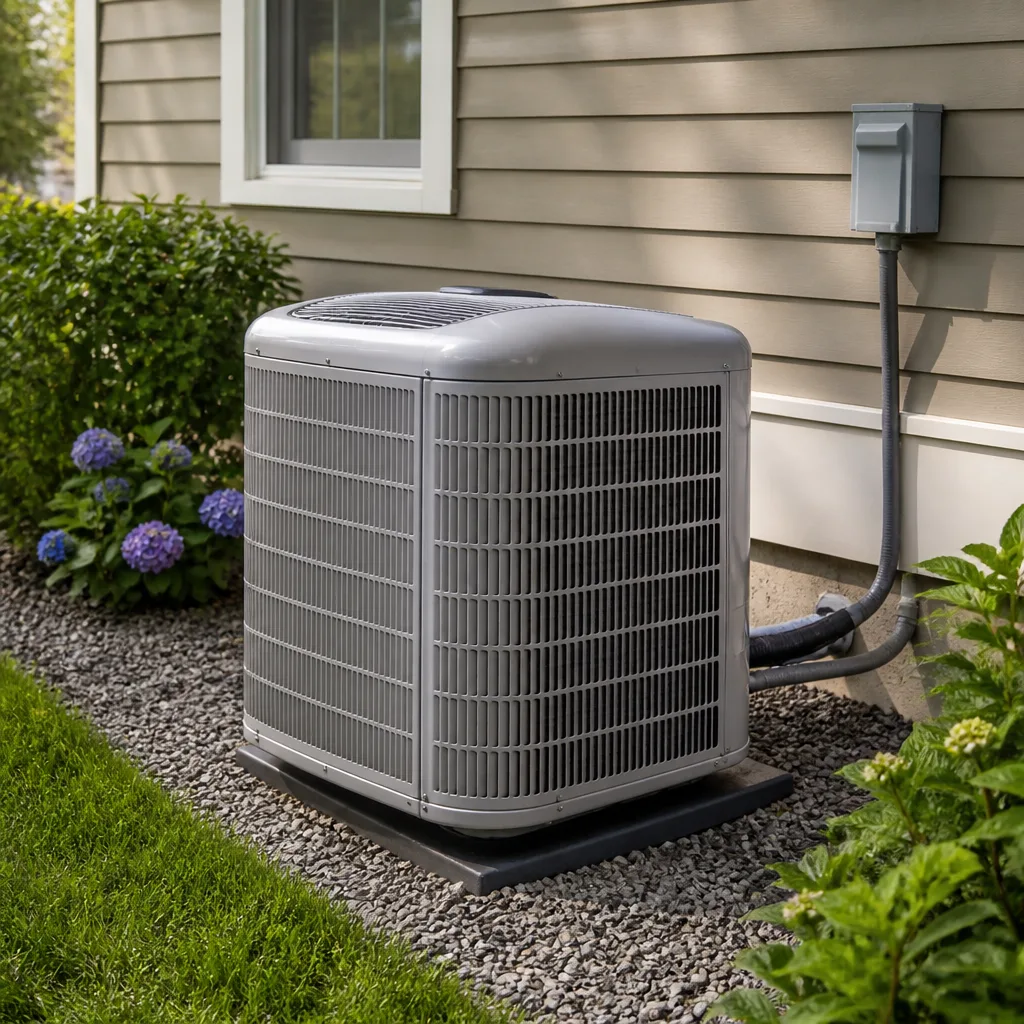 Carrier
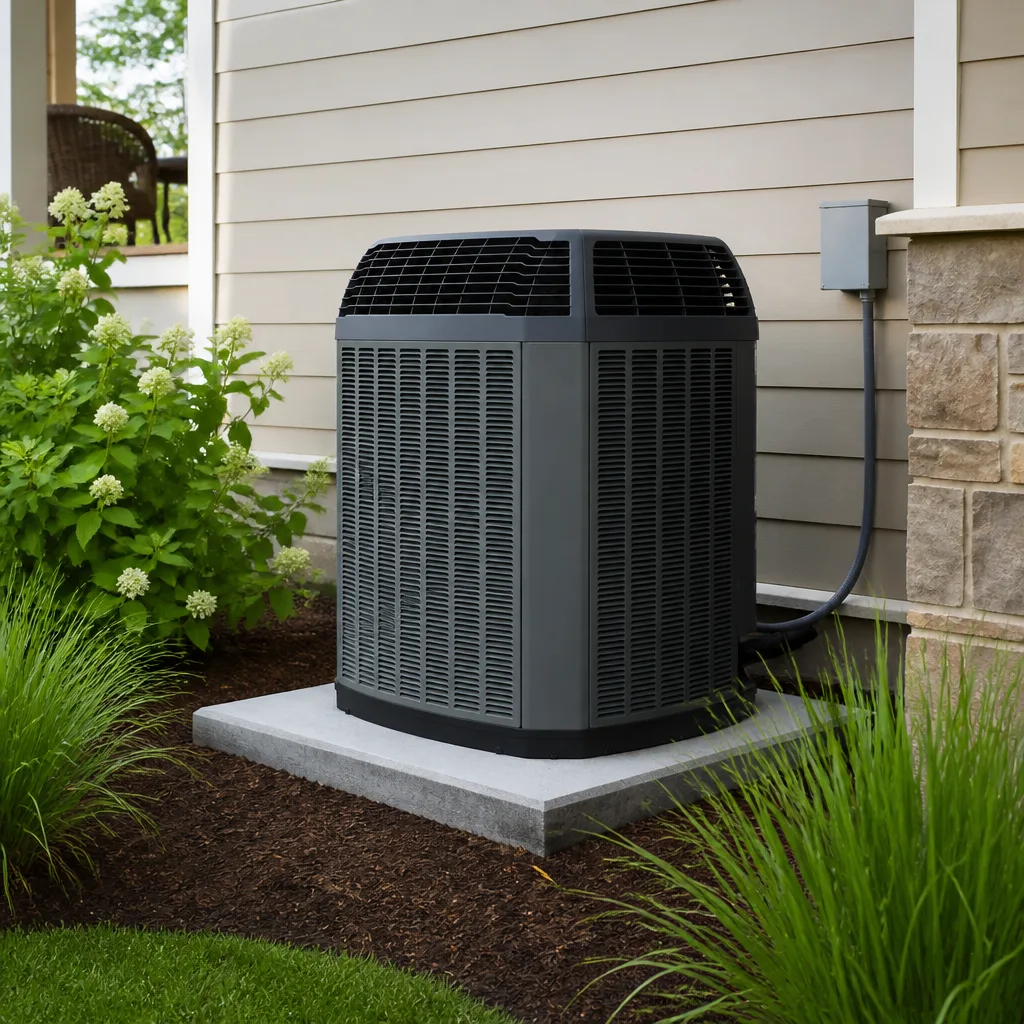 Trane
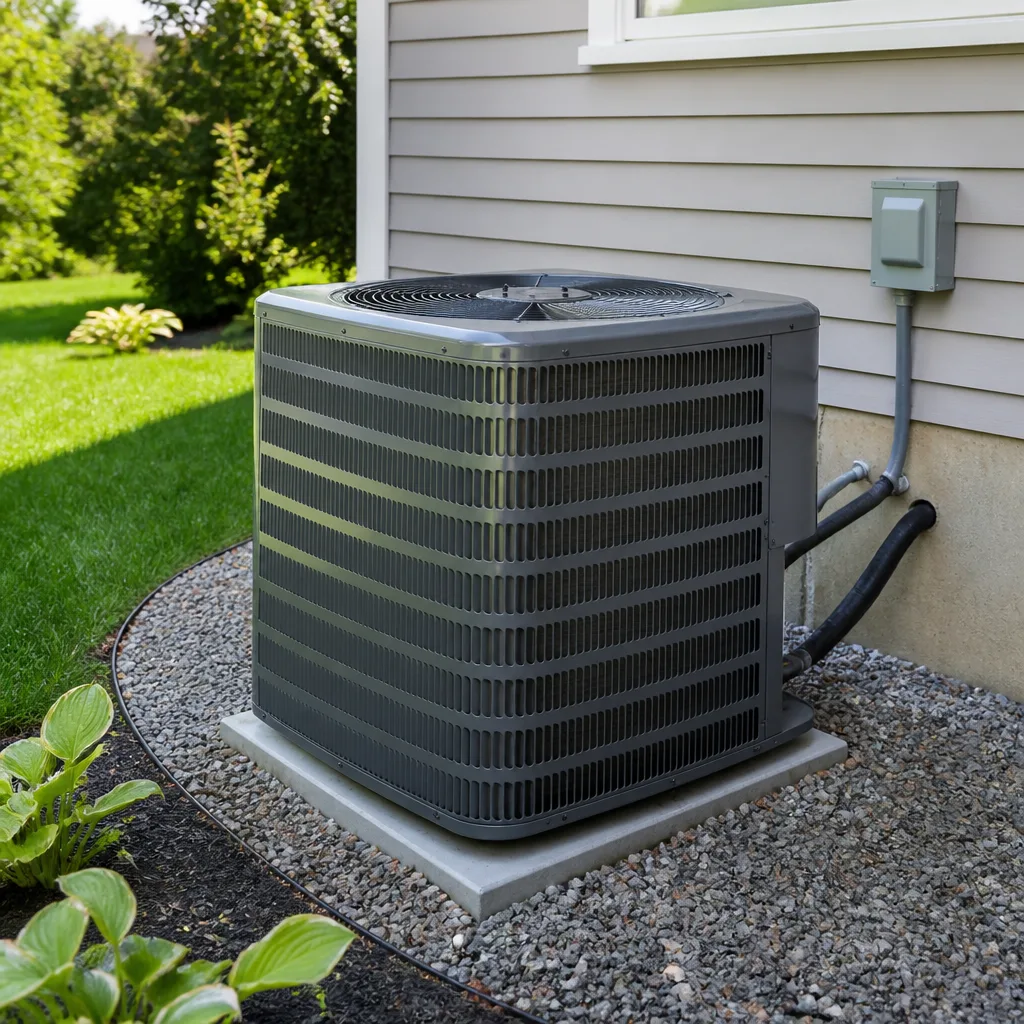 Goodman
Seasonal tune-up and full diagnostic on your Carrier, Trane, or Goodman system - readings shown to you before any repair is proposed
Diagnosis first, numbers second - you approve the repair price before a single part goes in.
Get your free estimateThe Complete Guide to HVAC in Sunrise Manor
Sunrise Manor gets about 294 sunny days a year, and the summers don’t politely stop at 100°F. They push past 110°F for stretches that most HVAC buying guides never account for, because those guides were written for a milder climate entirely. Here’s the part that costs homeowners money: a system sized by a standard load calculator, installed by the book, can still fall short in this zip code. Add caliche soil, blowing desert dust, and stucco walls that hold heat long after sunset, and you have a microclimate with its own rules. This guide covers what actually matters for HVAC in Sunrise Manor: sizing, dust, permits, system types, and how to protect yourself from summer pricing games.
Quick Answer
HVAC in Sunrise Manor has to be sized and maintained for extreme, long-duration heat rather than a typical desert average, because the AC here runs eight or more months a year and short-cycles hard in July and August. That means a real room-by-room load calculation (a Manual J, which measures how much heat your specific house gains and loses) instead of a rule-of-thumb guess, a filter and coil maintenance schedule tighter than the manufacturer’s default, and a written price in hand before any work starts. Get those three things right and your system lasts years longer in Sunrise Manor than one installed on generic assumptions.
Styles & brands we work with
- AC repair
- Furnace & heating
- Heat pumps
- Ductless mini splits
- Carrier
- Trane
- Goodman
Table of Contents
- Why Standard Sizing Calculators Get Sunrise Manor Wrong
- Dust, Coils, and Filters: The Maintenance Reality Here
- Clark County Permits and What You Actually Experience
- Two-Stage vs. Variable-Speed: What’s Worth the Premium
- What “Written Price Before Work Begins” Looks Like
- Repair or Replace? A Decision Framework
- A Year-Round Maintenance Calendar for Sunrise Manor
Why Standard Sizing Calculators Get Sunrise Manor Wrong
Most HVAC sizing starts with square footage and a rough multiplier. For a mild climate, that shortcut gets you close enough. In Sunrise Manor, it undersizes systems on a regular basis, and the homeowner pays for it in higher bills and a shorter equipment life.
Two local factors throw off the generic math. The first is the heat island effect: dense stucco construction, dark roofs, and pavement hold heat and radiate it back at your walls well into the evening, so your system faces a longer daily cooling load than the same square footage in a cooler part of the valley. The second is caliche, the cemented calcium-carbonate layer that sits under a lot of this ground. It’s hard enough that it changes how a new line set gets routed and how a pad gets set, and it affects attic and ductwork decisions more than people expect.
A proper load calculation accounts for:
- Window orientation and solar gain by side of the house, not a single number for the whole floor plan
- Wall and attic insulation values as they actually exist, not as advertised in the listing
- Roof material and color, and the amount of shade the home actually gets
- Air leakage through door seals and older windows that bake in afternoon sun
- Occupancy and appliance heat, which matters more in a house that runs the AC eight months a year
In our experience across Sunrise Manor neighborhoods, the right question isn’t “what size did the last system have?” It’s “what does this house actually need in August at 4 p.m.?” The answer is sometimes a half-ton larger than the old nameplate, and sometimes a properly sealed duct system with the same equipment performs far better. If you’re replacing equipment, this is the moment to get the sizing right. Our AC installation in Sunrise Manor process starts with the load calculation, not a quote by square footage.
Dust, Coils, and Filters: The Maintenance Reality Here
Desert dust and particulate from I-515 traffic settle on evaporator coils faster than the manufacturer’s maintenance schedule assumes. The standard recommendation is a filter change every one to three months. In Sunrise Manor, during dust-storm season and the windy spring months, a one-inch filter can clog in four to six weeks. A clogged filter chokes airflow, the coil freezes, and the system works harder to move less cold air. That’s how a healthy unit starts short-cycling in June.
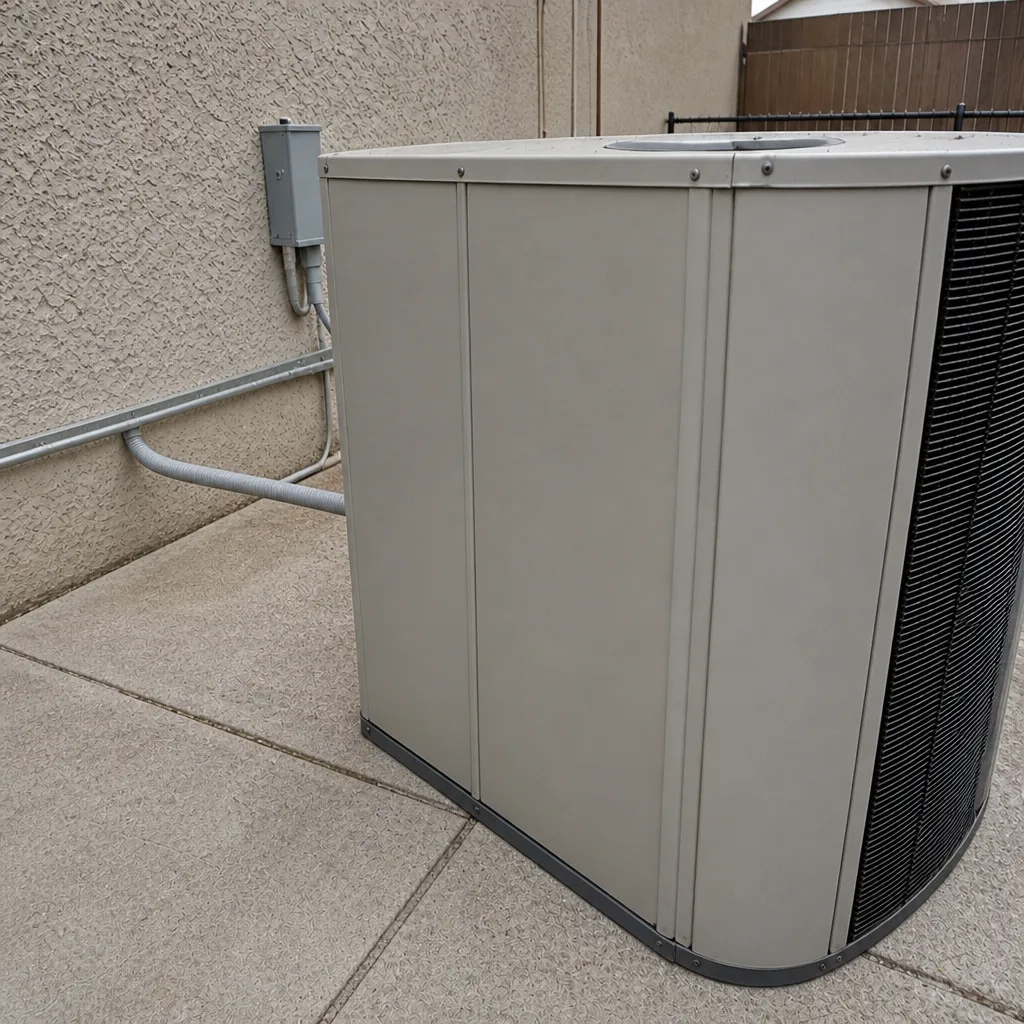
The coil itself needs attention too. A dirty outdoor condenser coil is like trying to cool a room with a blanket over the unit. It runs hotter, draws more current, and the compressor takes the wear. We regularly find condenser coils in Sunrise Manor homes that haven’t been rinsed in two or three summers, caked with a fine gray dust that cuts efficiency noticeably.
What actually helps here:
- Upgrade to a higher-MERV pleated filter (MERV 8 to 11 is usually the sweet spot) and check it monthly during dust season rather than quarterly
- Have the outdoor condenser coil cleaned at the start of cooling season, not just once a year on a generic schedule
- Keep the area around the outdoor unit clear of dust-trapping debris and vegetation
- Get the blower and evaporator coil inspected at least once a year, since indoor dust accumulates differently here
Dust-driven breakdowns are one of the most common repair calls we see in Sunrise Manor, and most are preventable with a schedule timed to the local seasons rather than a national template. When the repair has already happened, a confident written diagnosis matters. That’s where AC repair in Sunrise Manor comes in.
Clark County Permits and What You Actually Experience
Clark County requires a permit for HVAC system replacements and for new installations that involve refrigerant lines, electrical work, or significant duct changes. That part is straightforward. What Sunrise Manor homeowners actually experience is the gap between the permit on paper and the inspection in practice: the inspector is checking that the equipment matches the permit specs, that the electrical disconnect is correct, and that the installation meets code. If the contractor under-sized the equipment or cut corners on the disconnect, you find out at inspection, and the fix delays your cool air.
Here’s what to expect, in order:
- Permit pulled before work starts. A legitimate contractor handles this. If someone offers to skip it to save time, that’s a warning sign, not a shortcut.
- Equipment and specs match the paperwork. The model number on the unit needs to match what was permitted. Mismatches stall the inspection.
- Electrical disconnect and line set inspected. The inspector verifies the disconnect is accessible and properly rated.
- Final inspection scheduled. This is where a well-run job passes cleanly. A sloppy one gets a correction notice and a second visit.
The practical upshot for a Sunrise Manor homeowner: ask who is pulling the permit and confirm the equipment model on the quote matches what gets installed. Our written price includes the permit scope, so there’s no surprise charge or missing paperwork when inspection day arrives.
Two-Stage vs. Variable-Speed: What’s Worth the Premium
In a climate where your AC runs eight or more months a year, the equipment decision gets more interesting than “cheapest unit that cools.” Two-stage and variable-speed systems cost more up front. Here’s when that premium earns its keep in Sunrise Manor.
Single-stage systems are either fully on or fully off. They’re the simplest and least expensive, and they’ll cool the house. The downside is they run at full blast, cycle on and off more, and don’t hold a steady temperature well during the shoulder months when the load is light.
Two-stage systems run at a lower capacity most of the time and kick to full only on the hottest days. In Sunrise Manor, that means quieter operation, better humidity control, and fewer hard starts on the compressor over a long cooling season. For most homes here, this is the sweet spot of cost and comfort.
Variable-speed systems modulate across a wide range, matching output to the exact load. They’re the most comfortable and often the most efficient, but the premium is real and the repair costs on the more complex components are higher. They tend to make the most sense in larger homes or additions with varied room loads.
Brands like Carrier and Trane both build strong two-stage and variable-speed lines, and Goodman offers solid single-stage value. The equipment matters less than the sizing and the install. A great variable-speed unit sized wrong will perform worse than a well-sized two-stage. This is exactly why our AC installation in Sunrise Manor service does the load calculation first and matches the equipment to the house.
What “Written Price Before Work Begins” Looks Like
In Sunrise Manor, summer emergency rates can triple a normal quote when the temperature spikes and demand overwhelms supply. That’s the moment a vague “we’ll take a look and let you know” turns into an expensive surprise. A written price before any work begins removes that risk.
In practice, it looks like this:
- A diagnosis that names the failing component in plain language (not just “the compressor is bad”)
- A line-item price for parts and labor, delivered before the technician opens a toolbag
- No changes to that number unless you approve them in writing first
- The written guarantee included with the repair, not sold as an add-on
When we say written, we mean it. Halden Heating & Air delivers a locked price on every job, and if a repair fails within the coverage window, a free return visit is included automatically under the written guarantee. That’s the 365-Day Done Right Promise, and it applies whether it’s a routine tune-up in March or a midnight no-cool call in July. You can reach a real person at (833) 892-8106 any hour, and our technicians are background-checked, arrive with a live arrival time you can track, and show up in uniform. That level of visibility is the whole point of The Relay Visibility Guarantee.
Repair or Replace? A Decision Framework
The “repair or replace” question comes up most in Sunrise Manor when a system hits its mid-teens and starts failing in the worst heat. A few plain rules help.
- Check the age against the expected life. Most systems last 12 to 18 years. If yours is past 15 and facing a major repair, replacement usually wins.
- Compare the repair cost to a replacement. A single repair that costs more than roughly a third of a new system is a signal to weigh replacement seriously.
- Look at the failure pattern. One failed capacitor at year seven is normal. Three compressor-related failures in two summers is a system telling you something.
- Weigh efficiency and the long summer. In a climate where the AC runs eight months a year, an aging, inefficient unit bleeds money every month it stays in service.
- Get the written price on both paths. A good contractor will price the repair and the replacement so you can decide with real numbers, not a sales pitch.
When replacement is the answer, getting the load calculation right is the whole game. Our AC installation service prices the job in writing and schedules a set install date, with rebate and financing paperwork handled as part of the process. No same-day promises on installs, because that work is measured, ordered, and scheduled. Same-day is for repairs.
A Year-Round Maintenance Calendar for Sunrise Manor
The generic “service your system twice a year” advice doesn’t fit here, because the cooling season dominates. This calendar is timed to the local climate.
- February – March: Pre-cooling-season tune-up. Clean the condenser coil, check refrigerant charge, test the compressor and capacitors before the first heat wave.
- April – May: Swap to a fresh filter and start monthly dust-season checks. Rinse the outdoor coil if spring winds have loaded it.
- June – August: Check the filter every four to six weeks. Watch for short-cycling or weak airflow, which usually means a clogged filter or a failing component.
- September – October: Post-summer inspection to catch wear before it fails next June. This is the cheapest time to replace a part.
- November – January: Furnace check before the heating season, since the same blower and ductwork serve both modes.
A tune-up should come with a written report of what was actually found, at a flat price. If your heating side needs attention before winter, our furnace repair in Sunrise Manor covers it, and our team at Halden Heating & Air Sunrise Manor is one call away for anything in between. Every job starts with that written price before any work begins.
Common Mistakes to Avoid
- Sizing by square footage alone. The heat island effect and stucco construction in Sunrise Manor mean the same square footage can need more capacity than a generic calculator predicts. Insist on a real load calculation.
- Stretching filter changes to the manufacturer’s quarterly schedule. Dust season here clogs one-inch filters in four to six weeks. Check monthly from spring through fall.
- Skipping the condenser coil cleaning. A dirty coil runs hotter and draws more power. It’s one of the cheapest preventive steps and one of the most skipped.
- Accepting a verbal quote over the phone. A real written price itemizes parts and labor before work begins. Vague quotes are where summer surprises come from.
- Letting a contractor skip the permit. Clark County requires one for replacements. Skipping it saves time and creates inspection and resale headaches later.
- Buying the biggest system you can afford. Oversized equipment short-cycles, controls humidity poorly, and wears faster. The right size beats the biggest size every time.
- Ignoring the shoulder-season warning signs. A system that struggles in October is telling you it will fail in July. Fix it in the cheap season, not the emergency season.
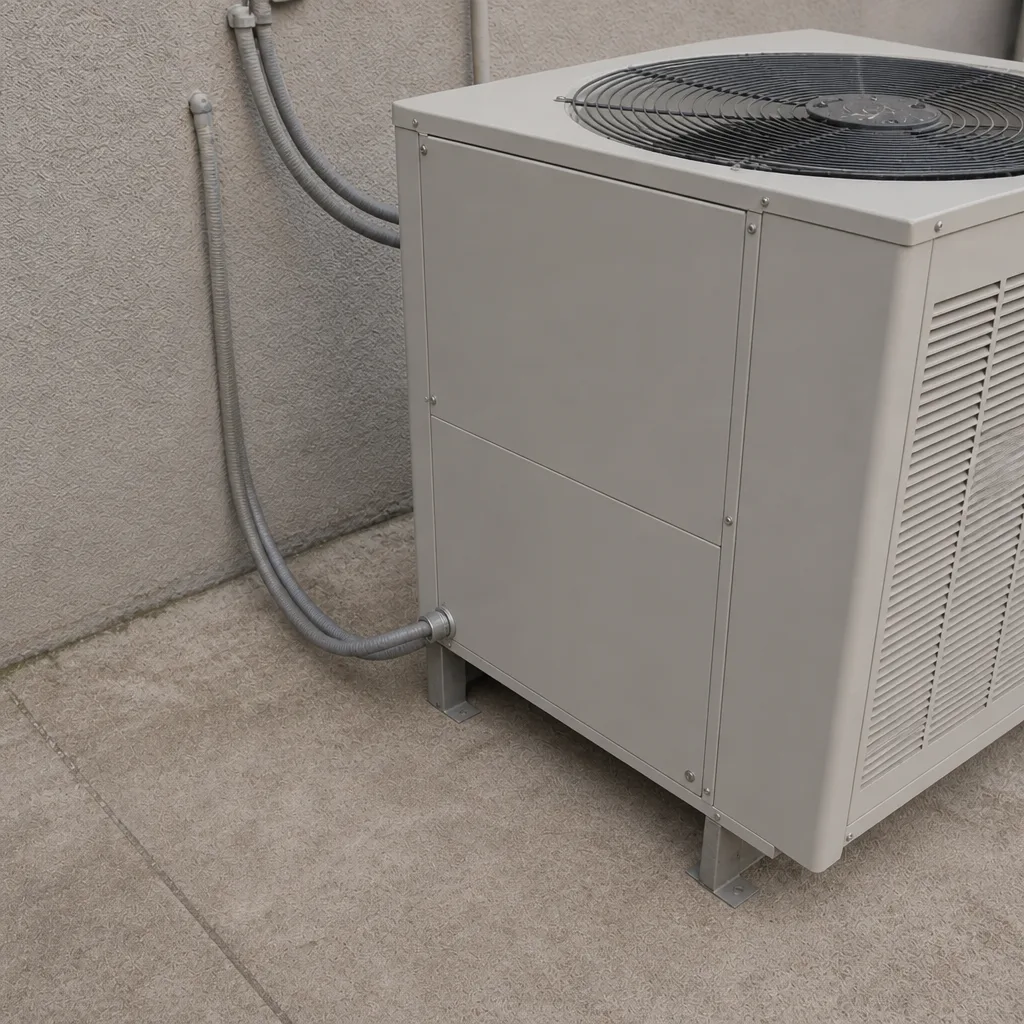
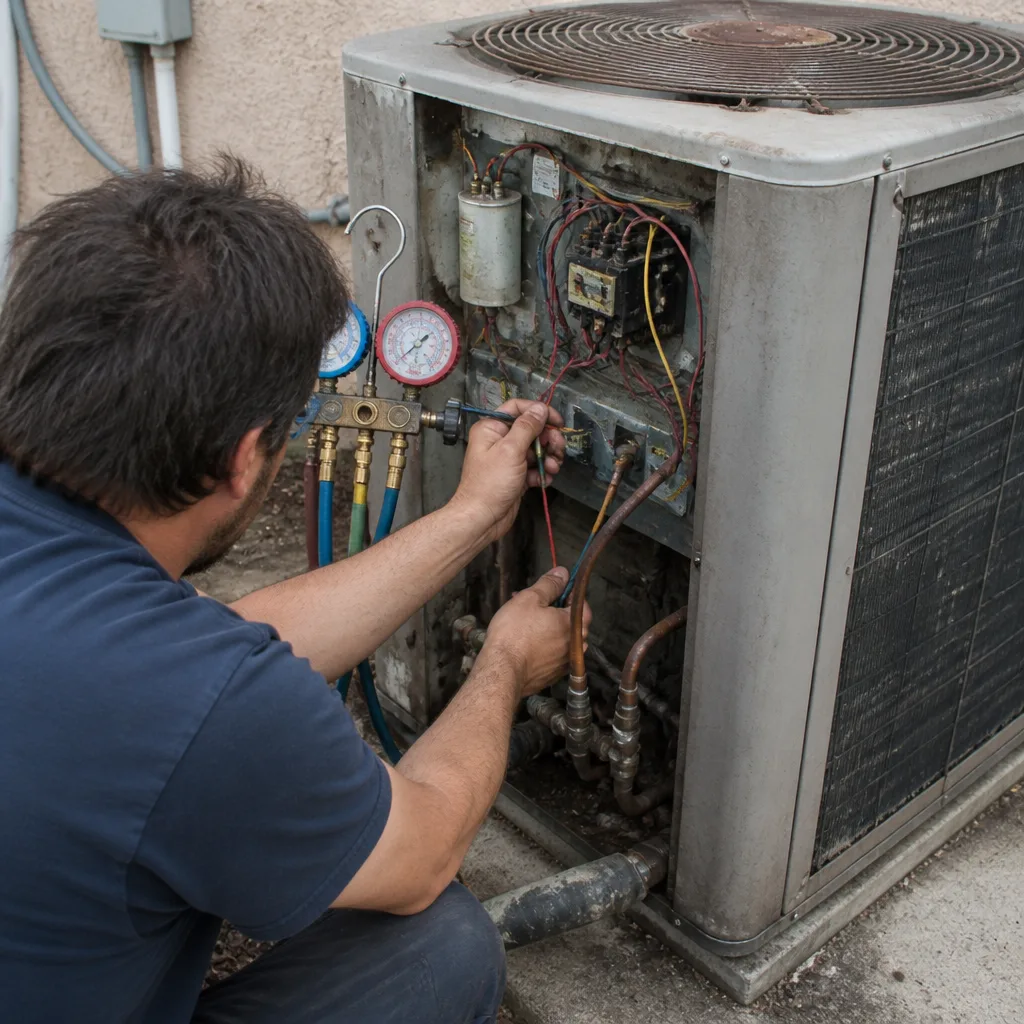
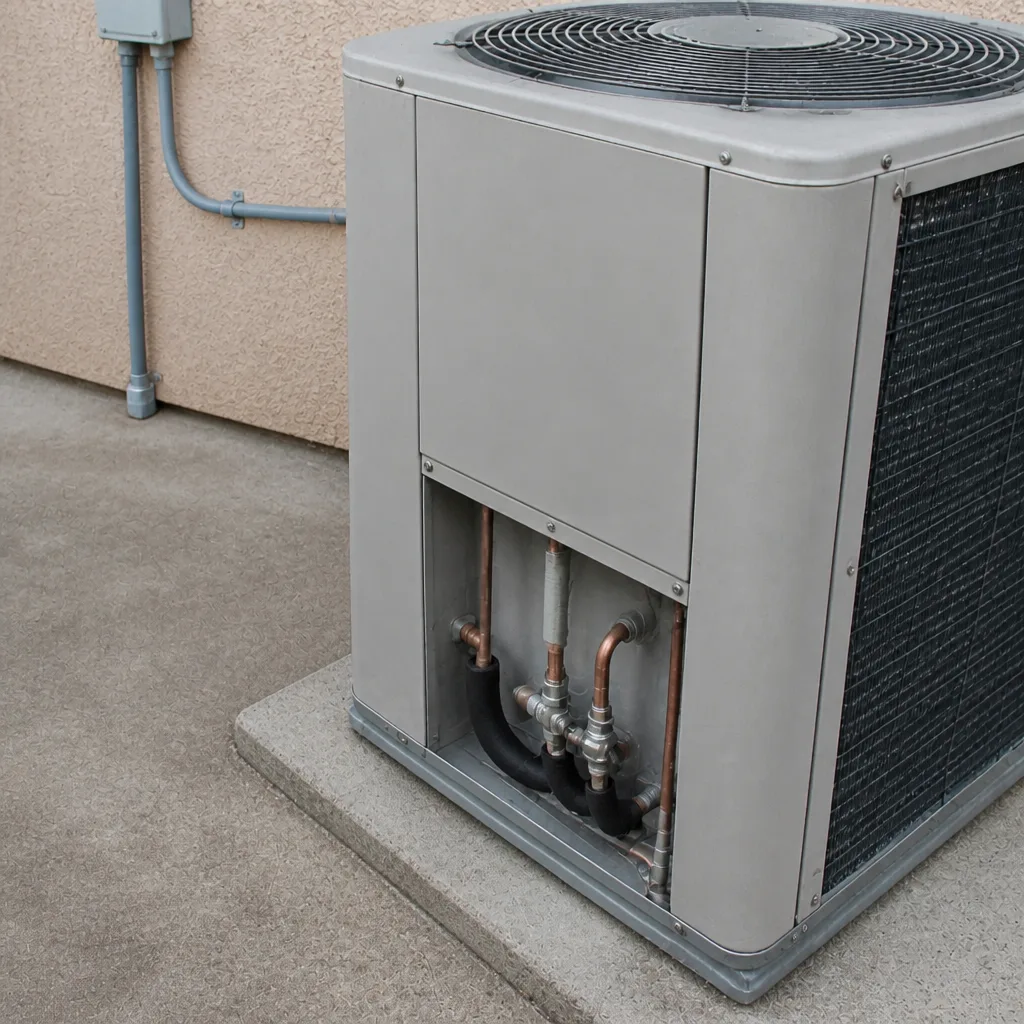
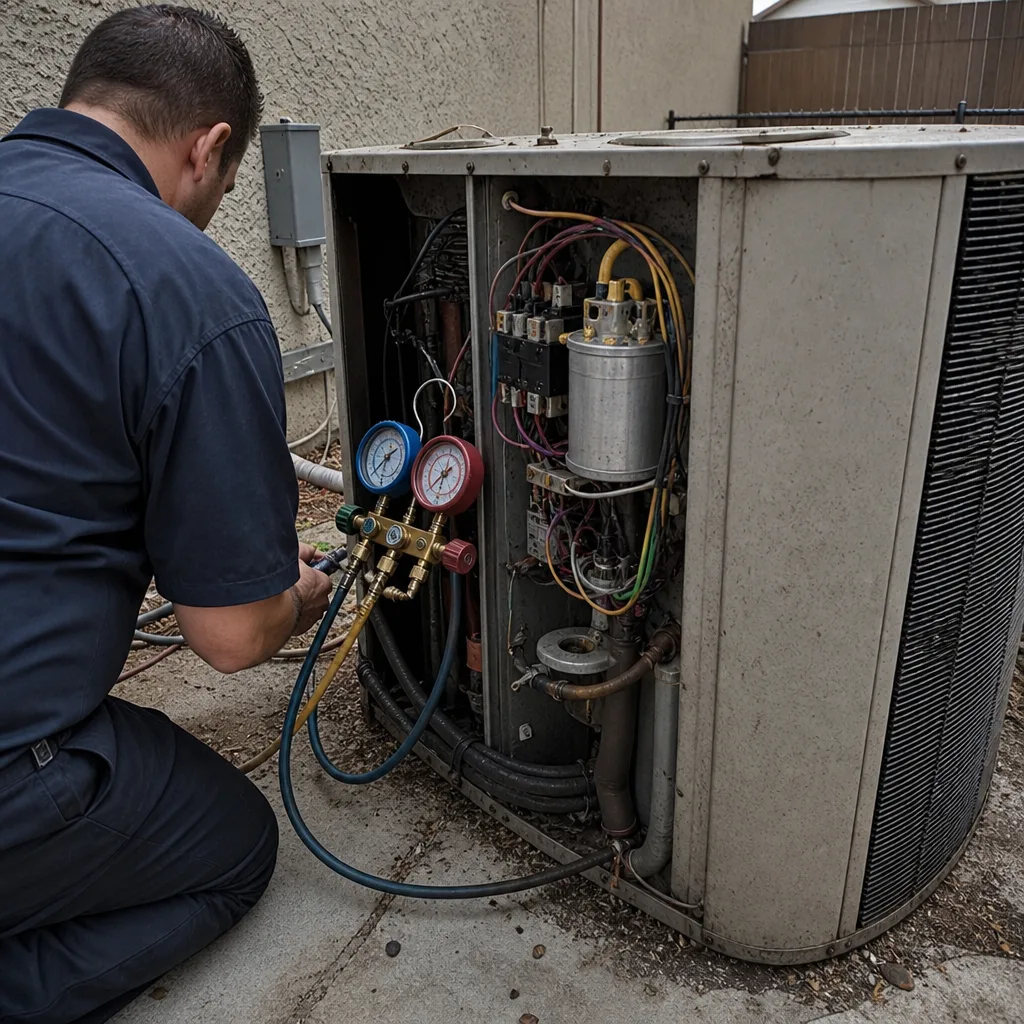
See the difference
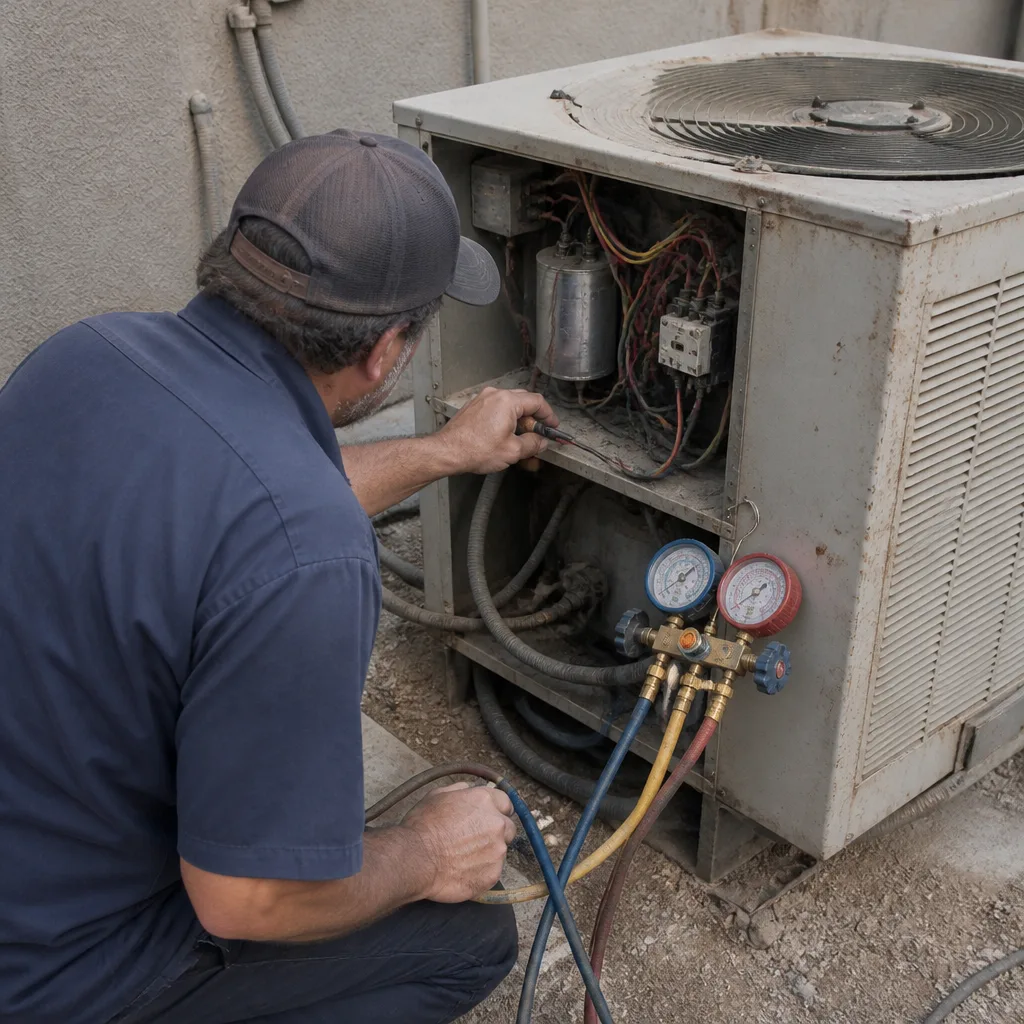 Before
 After
 Before
 After
 Before
 After
When to Call a Professional
Some fixes are homeowner-level: changing a filter, clearing debris around the outdoor unit, resetting a tripped breaker once. Beyond that, call a professional. High-voltage electrical components, refrigerant handling, and compressed refrigerant lines are genuinely dangerous to work on without training and the right tools. Refrigerant isn’t something to top off yourself, and a system that won’t start after a breaker reset needs a real diagnosis, not a guess. If your system is short-cycling, blowing warm air, leaking water, or making new noises, those are signs of a failing component that gets more expensive the longer it runs. In Sunrise Manor, where a failed AC in July is a health risk, don’t wait for it to fail completely. Halden Heating & Air Sunrise Manor offers free estimates in Sunrise Manor. Call (833) 892-8106.
Frequently Asked Questions
Most AC repairs in Sunrise Manor run between $150 and $500 depending on the part, with common failures like capacitors and contactors on the lower end and compressor or coil work on the higher end. Summer emergency calls can push higher when demand spikes, which is why a written price before work begins matters so much here. Call (833) 892-8106 for an exact quote. Estimates are free.
Check your filter monthly during dust season (roughly March through October) and change it every four to six weeks if it’s a one-inch filter, because local dust and I-515 traffic particulate clog filters faster than the standard quarterly schedule assumes. Thicker media filters last longer but still need monthly checks in the windy months.
Yes, Clark County requires a permit for HVAC replacements and for installations involving refrigerant lines, electrical work, or major duct changes. A legitimate contractor pulls it before work starts. Skipping the permit can create inspection and resale problems later. If a quote doesn’t mention the permit, ask.
Same-day repair is available for AC failures, and calls are answered by a real person 24/7, so a midnight no-cool call gets a live response, not a voicemail tree. The written price is delivered before any work starts. Call (833) 892-8106 for the fastest response.
Replace if your system is past 15 years old and facing a major repair, or if a single repair costs more than roughly a third of a new system. Repair if it’s a single component failure on a younger unit. Given how long the cooling season runs here, efficiency losses on an aging system add up faster than in a milder climate. Call (833) 892-8106 and we’ll price both paths in writing so you can decide with real numbers.
We service all major equipment brands, including Carrier, Trane, Lennox, Goodman, Rheem, York, Daikin, Bryant, and American Standard. The brand matters less than the sizing and installation. A well-sized two-stage system from any of these lines will outperform a poorly sized premium unit.
The Bottom Line
Sunrise Manor isn’t just hot. It’s a specific microclimate that breaks the assumptions most HVAC guides are built on. Get the load calculation right so the equipment matches the heat island and stucco reality. Keep ahead of dust with a filter and coil schedule tighter than the generic one. Know that Clark County permits are part of the job. Weigh two-stage against variable-speed based on how long your cooling season actually runs. And insist on a written price before work begins, especially in summer when emergency rates can triple. Get those five things right and your system lasts longer here, which is the whole goal.
Ready to get a written price in Sunrise Manor? Halden Heating & Air delivers a locked, upfront price before any work starts, a written guarantee on every repair, and a live arrival time you can track to your door. Call (833) 892-8106 for a free estimate. Every repair comes with the 365-Day Done Right Promise, and if it fails, a free return visit is included automatically.
Written by the team at Halden Heating & Air Sunrise Manor.