
Last updated November 17, 2026
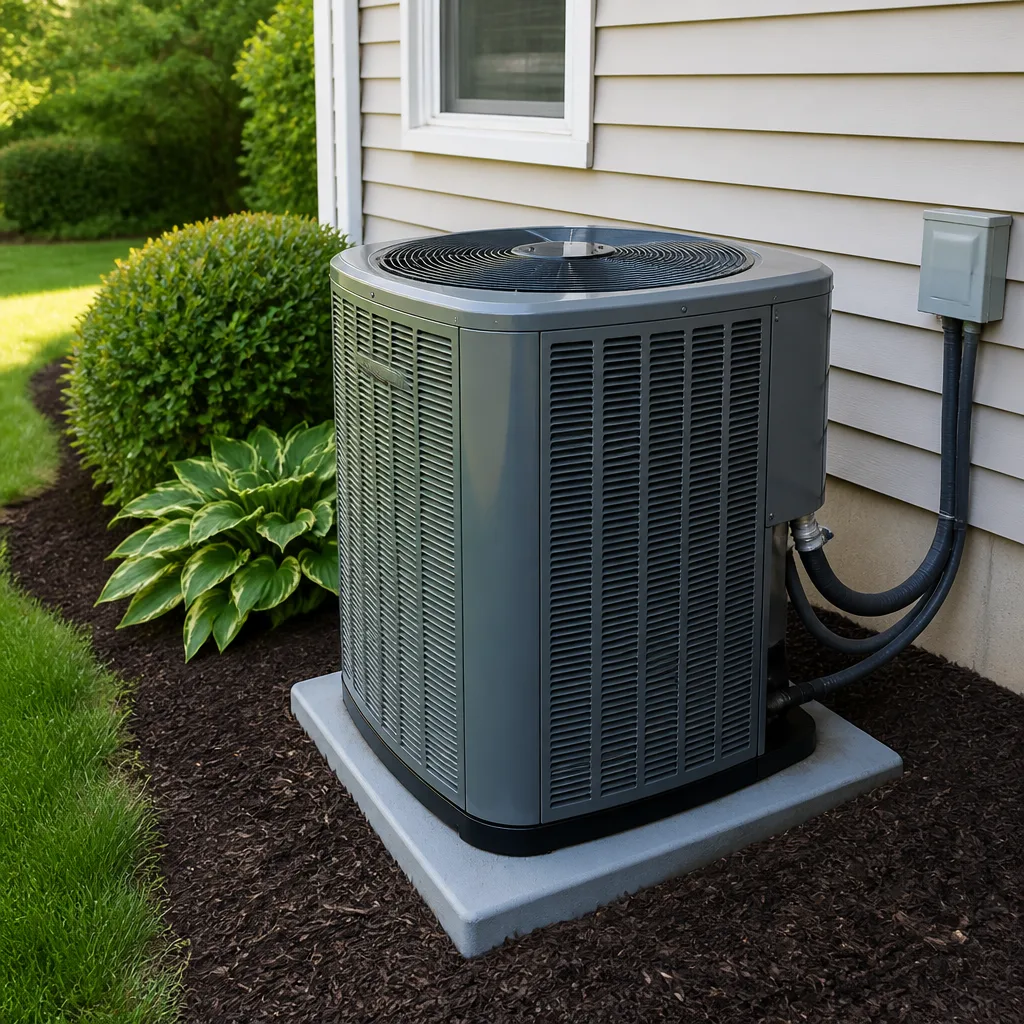 AC repair
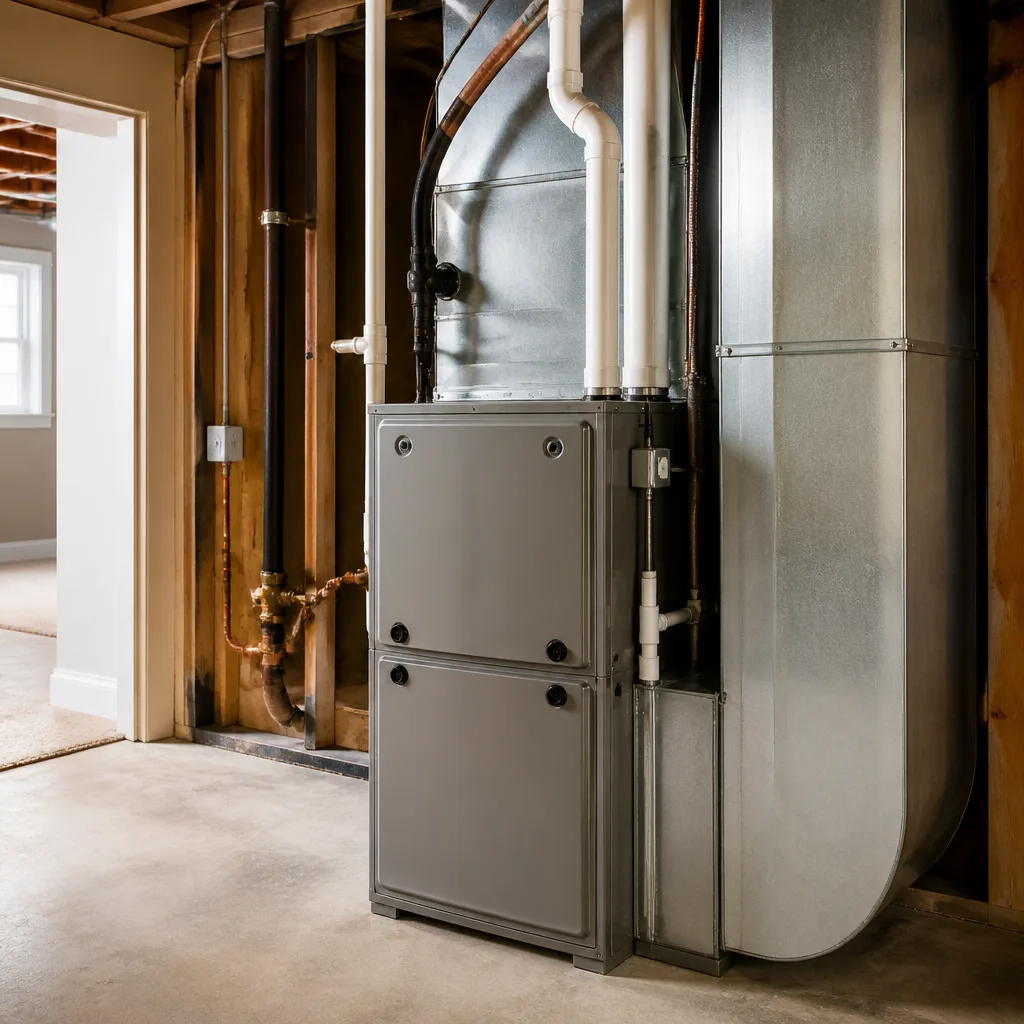 Furnace & heating
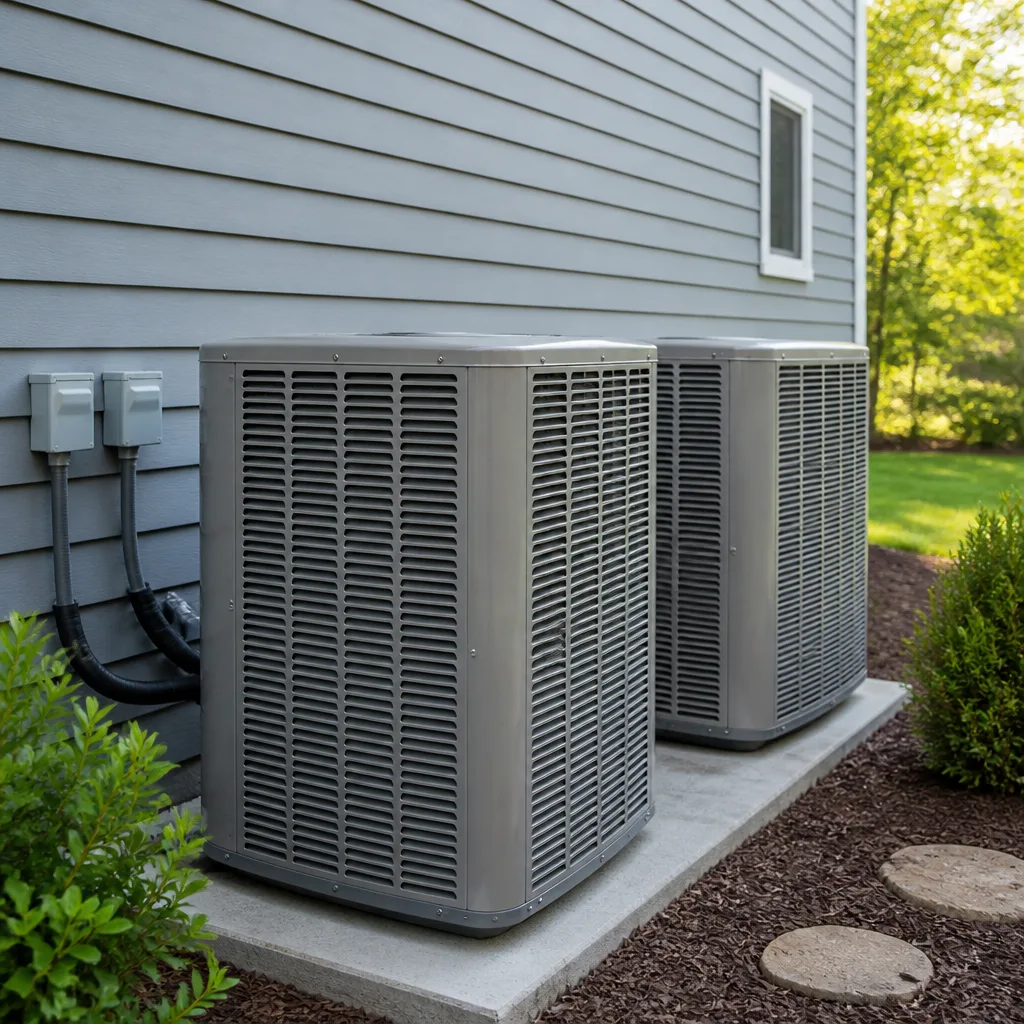 Heat pumps
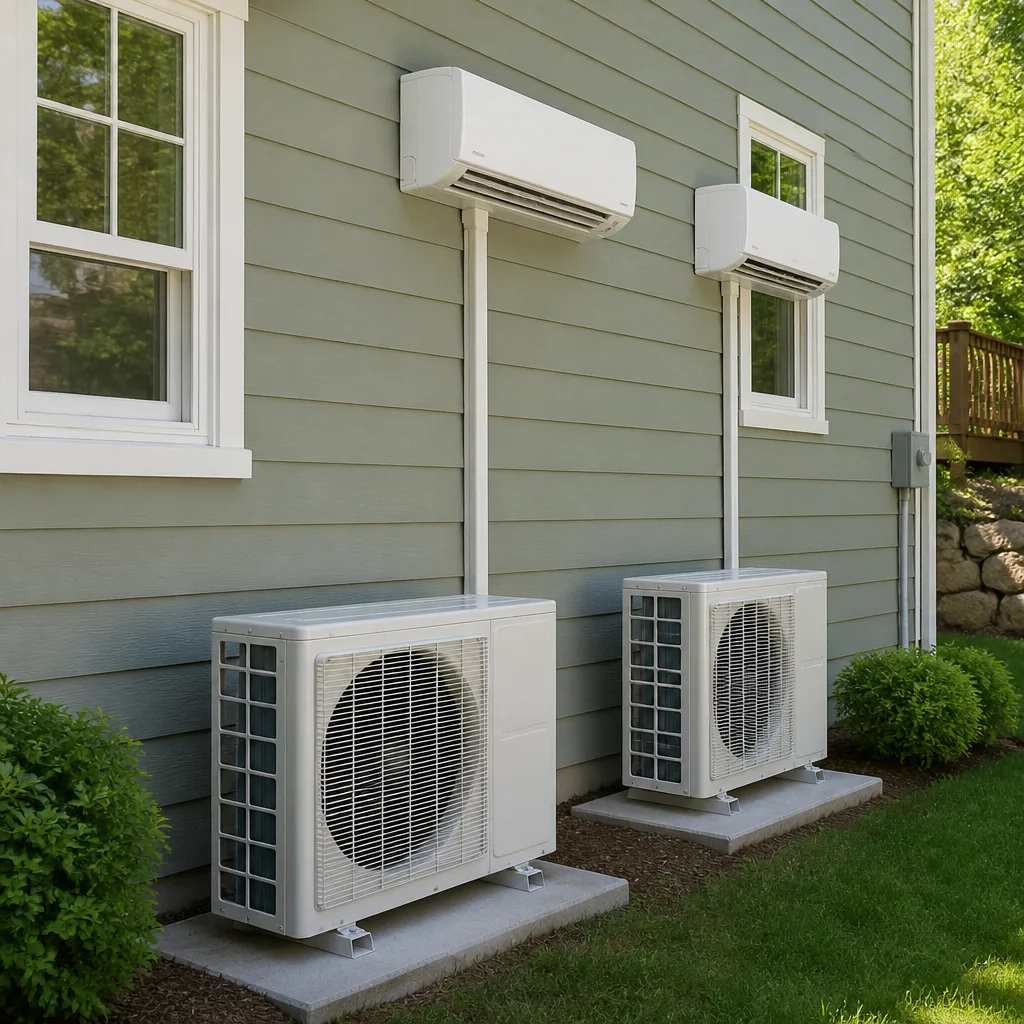 Ductless mini splits
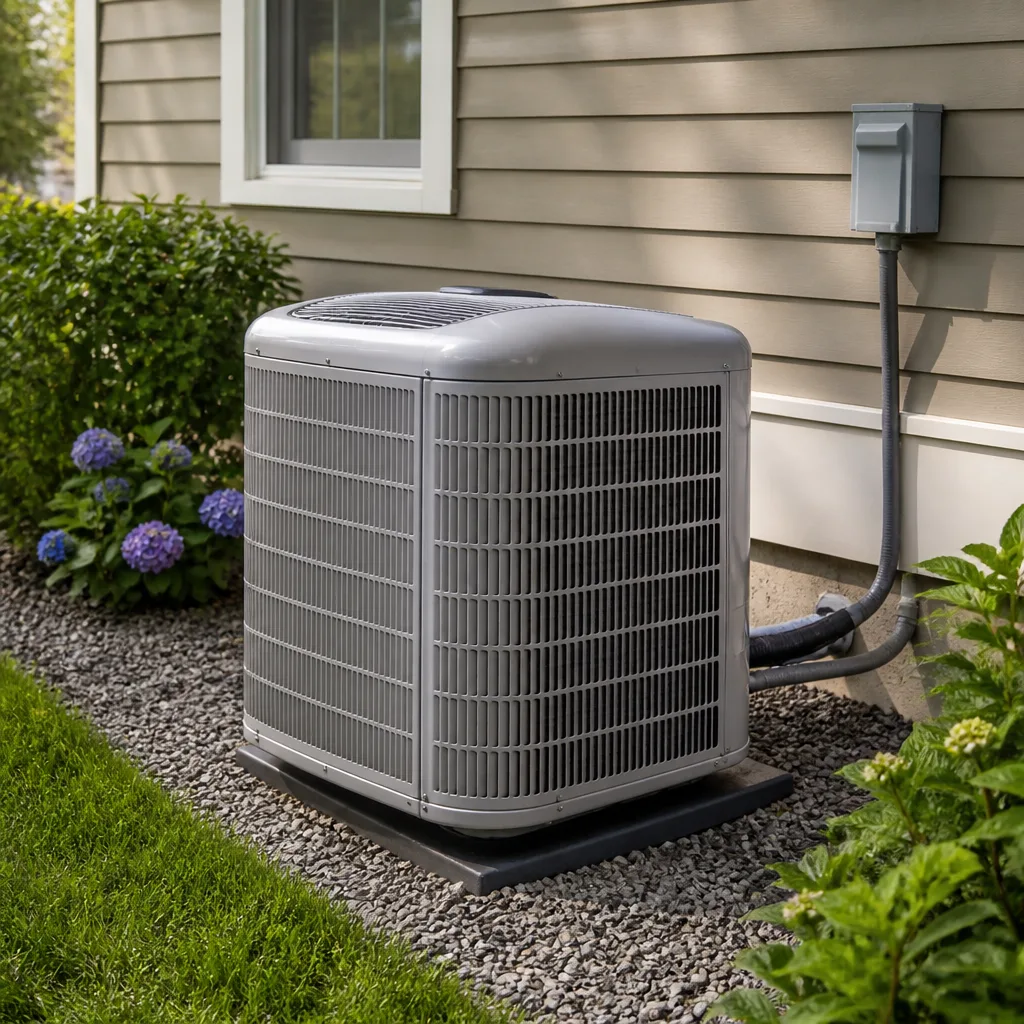 Carrier
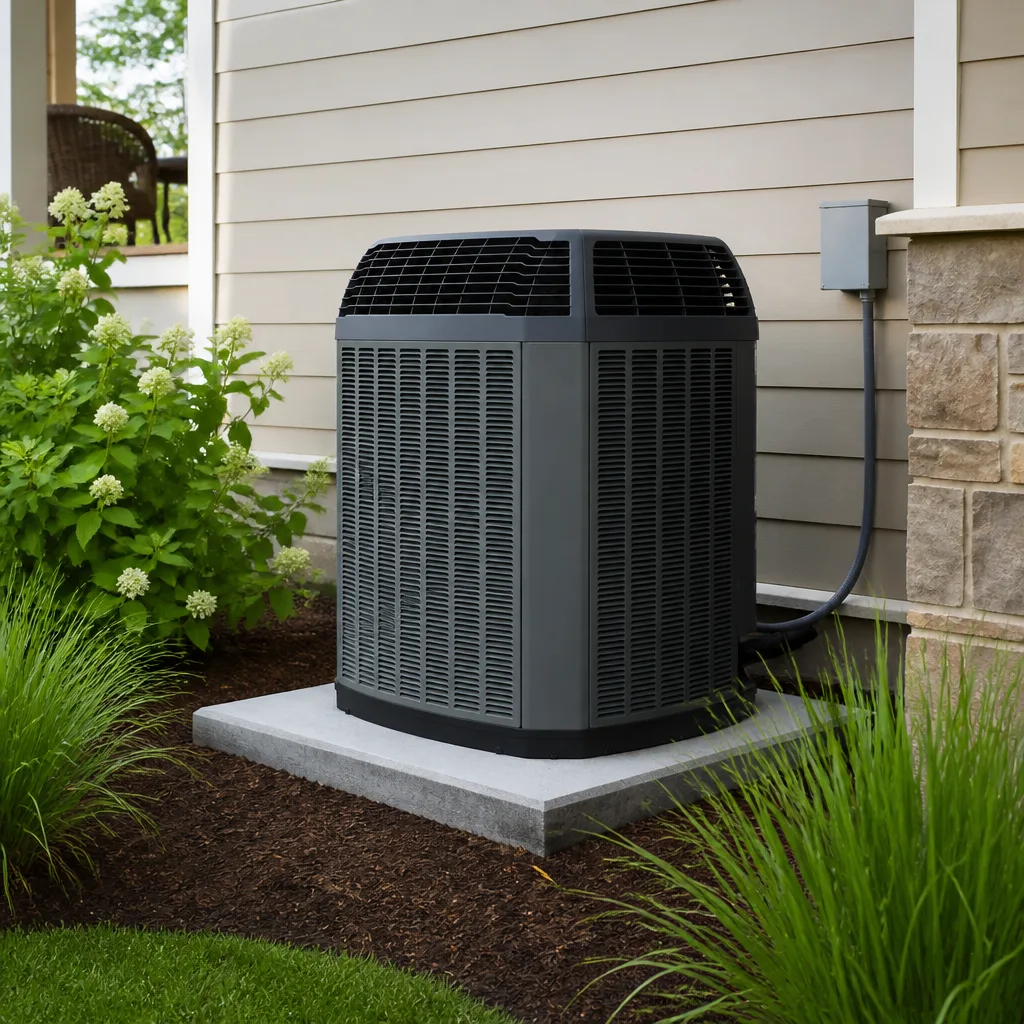 Trane
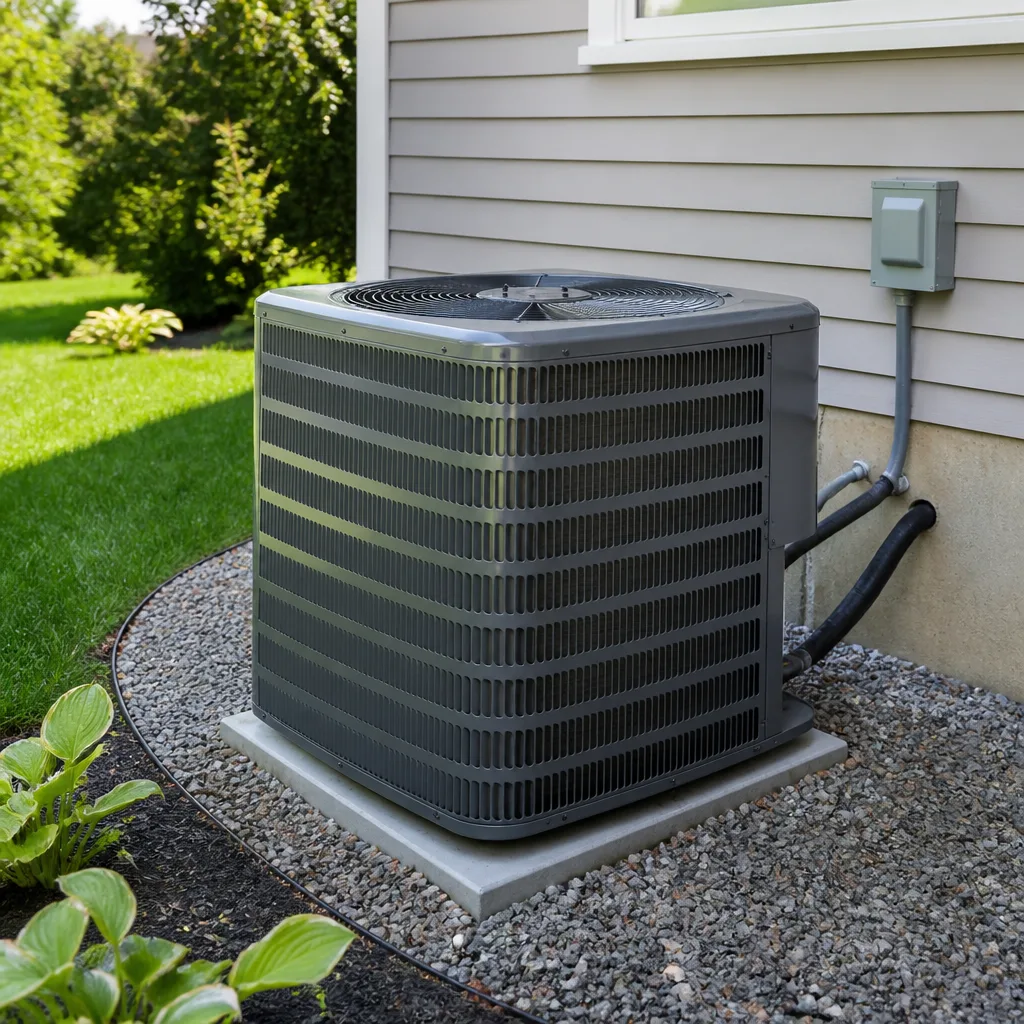 Goodman
Seasonal tune-up and full diagnostic on your Carrier, Trane, or Goodman system - readings shown to you before any repair is proposed
Diagnosis first, numbers second - you approve the repair price before a single part goes in.
Get your free estimateDIY vs Professional AC Installation: What’s Safe to Do Yourself
Nevada lets homeowners pull permits and install their own air conditioning on the home they live in. No contractor license required. That single fact launches a thousand DIY forum threads, and almost all of them stop before the math gets uncomfortable. Here’s the part the threads skip: the equipment you can legally buy without a license is limited, the NV Energy rebate application wants a contractor license number, and a failed inspection in Clark County comes with its own fee schedule. We’re going to finish that calculation for you, line by line, with real numbers. You’ll leave knowing exactly which parts of an AC install a careful homeowner can handle in Sunrise Manor, and which parts will cost you more than they save.
Quick Answer
It’s legal for a Nevada homeowner to install an AC in their primary residence without a contractor license, but it rarely makes financial sense. You can’t legally buy pre-charged refrigerant equipment in most cases, you forfeit NV Energy rebates that require a licensed contractor’s number, and a failed Clark County inspection adds re-inspection fees plus remediation costs that erase the savings. Safe homeowner tasks are limited to things like clearing space, running the pad, and prep work; the refrigerant circuit, electrical hookup, and commissioning belong to a trained professional.
Styles & brands we work with
- AC repair
- Furnace & heating
- Heat pumps
- Ductless mini splits
- Carrier
- Trane
- Goodman
Table of Contents
- What Nevada Law Actually Allows Homeowners to Do
- The Clark County Permit Process for a Self-Installed System
- Why You Can’t Legally Buy Pre-Charged Equipment
- The NV Energy Rebate Wall
- The Real Cost Comparison, Line by Line
- What a Failed Inspection Actually Costs
- What’s Actually Safe to Do Yourself
- What a Professional Install Includes
What Nevada Law Actually Allows Homeowners to Do
Nevada’s contractor licensing rules carve out a homeowner exemption. If you own the home and it’s your primary residence, you can act as your own general contractor and, in most cases, perform the work yourself without holding a state contractor license. That exemption is real, and it’s why the “can I install my own AC unit myself in Nevada” question has a yes buried in it. But the exemption is narrower than the forum posts suggest.
Here’s what the exemption does and does not cover:
- Allowed: Pulling permits in your own name for work on your primary residence, hiring licensed subs for parts of the job, and doing some of the labor yourself.
- Not allowed: Doing this work on a rental, a flip, a second home, or any property you don’t live in. The exemption is tied to your primary residence.
- Not allowed: Selling the equipment-installation service to anyone else, even a neighbor. That’s contracting without a license.
- Still required: Handling refrigerant without EPA Section 608 certification is a federal violation, regardless of what Nevada says about contractor licensing.
That last point is where most DIY plans quietly fall apart. Nevada’s homeowner exemption covers the contractor-license question. It does not cover federal refrigerant law, and it doesn’t change what equipment distributors will sell you. We’ve talked with Sunrise Manor homeowners who bought a unit online, got it delivered, then discovered nobody local would charge the line set for them. If you want the full picture of what a proper install looks like in this climate, our AC Installation in Sunrise Manor page walks through the process from load calculation to commissioning.
The Clark County Permit Process for a Self-Installed System
Clark County requires a mechanical permit for a new AC installation, and the homeowner exemption doesn’t waive it. You’ll file with Clark County’s building department, submit the equipment specs and load calculation, pay the permit fee, and schedule inspections. The permit itself runs a few hundred dollars depending on system size and scope. That part is straightforward.
What trips people up is the sequence. Here’s the order a self-installed system actually has to follow:
- Load calculation. You need a Manual J (a room-by-room heat-load calculation) to size the system correctly. Clark County summers hit 110°F plus, and an undersized unit in Sunrise Manor will run continuously and still lose the house.
- Permit application. Submit the load calc, equipment model numbers, and a simple site plan showing the condenser location and line-set route.
- Rough-in inspection. The county inspects the line set, electrical disconnect, and pad before you close anything up.
- Final inspection. After equipment is set and charged, the inspector verifies the install against the approved plans.
Every one of those steps assumes you have compliant equipment and a certified person to charge the system. That’s where the next section matters.
Why You Can’t Legally Buy Pre-Charged Equipment
Here’s the restriction that changes the whole DIY cost picture. Under EPA Section 608 rules, refrigerant (the chemical that makes your AC produce cold air) can only be purchased and handled by certified technicians. That means:
- You can’t buy refrigerant cylinders at a supply house without a certification card.
- Most distributors won’t sell fully charged split systems to unlicensed buyers, even though the equipment itself isn’t a controlled substance.
- Even if you find a pre-charged unit, the moment the system needs evacuation and recharge during install – which it almost always does – you need a certified tech on site.
This is the single biggest hidden cost in DIY AC installation. In Sunrise Manor, where summer design temps push equipment hard, a system that isn’t properly evacuated and charged will run high head pressure, short-cycle, and fail years early. We’ve seen this in Sunrise Manor more than once: a homeowner-installed unit that lasted four summers instead of twelve because the charge was never verified. If your system is already struggling, our AC Repair in Sunrise Manor page covers what diagnosis looks like. But for a fresh install, budget for a certified tech to do the charging step no matter who mounts the equipment.
The NV Energy Rebate Wall
NV Energy offers rebates on high-efficiency AC systems – often several hundred dollars for a qualifying unit. Those rebates are one of the biggest reasons a “professional install” pencils out better than it looks on paper. The catch is the application.
In most rebate tiers, the application requires a licensed contractor’s number, an invoice from that contractor, and documentation the contractor provides. The rebate program is structured around contractor-installed systems. A self-installed system typically doesn’t qualify, even if the equipment is identical. That means your DIY install starts several hundred dollars behind the pro install before you’ve bought a single tool.
Stack that against the professional side: a licensed contractor handles the rebate paperwork as part of the job. You don’t chase forms, you don’t get rejected over a missing number, and the rebate comes off the price you actually see. That’s the difference between a rebate you receive and a rebate you theoretically qualified for.
The Real Cost Comparison, Line by Line
Here’s where the math gets honest. We broke this out for a standard 3-ton split-system replacement in Sunrise Manor – typical for a 1,500 to 1,800 square foot home. Numbers are ranges because equipment, permit scope, and utility conditions vary, but the comparison holds regardless.
- Equipment, 3-ton system: $4,500 to $6,500 (pro) vs. $3,800 to $5,500 (DIY, if you can find a distributor that sells to you)
- Permit fee, Clark County: $200 to $450 either way
- Load calculation: $0 if included in pro install, $200 to $400 if you hire it separately for DIY
- Certified charging labor: included in pro install, $300 to $600 if you hire a separate tech for DIY
- NV Energy rebate: $300 to $800 (pro only), $0 (DIY)
- Inspection and re-inspection risk: $0 to $75 extra for pro install, $100 to $1,200 for DIY if anything fails
- Warranty on labor: included in pro install, typically $0 for DIY even if equipment warranty is intact
Run the arithmetic and the savings window closes fast. DIY equipment might save you $700 to $1,000 up front, but the rebate forfeiture, separate load calc, certified charging labor, and inspection risk pull $800 to $2,500 back out. In most cases, the professional install comes out even or ahead, and you keep the warranty. That’s before we get to remediation.
What a Failed Inspection Actually Costs
A failed inspection in Clark County isn’t just a delay. The county charges a re-inspection fee – typically $75 to $150 per visit, depending on the scope of the failure. If your install fails on line-set routing, electrical bonding, or equipment clearance, you’ll pay for the return visit, fix the issue, and schedule again. Two failures and you’re looking at several hundred dollars in fees before remediation labor.
The bigger bill is what’s underneath the failure. Common failure points in Sunrise Manor installs:
- Bonding and grounding on the electrical disconnect, which most homeowners miss.
- Line-set insulation and slope requirements the inspector checks against the permit.
- Equipment clearances that don’t account for the fence or wall behind the condenser.
- Refrigerant verification: a system that isn’t documented as properly charged fails the final.
- Electrical disconnect type: the county has specific requirements unseasoned installers routinely miss.
Fix a bonding failure and you might spend $150 on a licensed electrician plus the re-inspection. Fix a refrigerant charge that was never correct to begin with and you’re looking at a compressed timeline, a documented failure, and an early equipment replacement years earlier than expected. The savings that motivated the DIY attempt start evaporating the moment the inspector writes the first correction notice. If financing a proper install is where the DIY idea started, our Halden Heating & Air Sunrise Manor home is the place to see what a booked, tracked, written-price install looks like.
What’s Actually Safe to Do Yourself
Not everything requires a licensed tech. Here’s the honest split. Some of this you can absolutely handle, and doing it well makes the pro install go faster and cost less.
Safe to handle yourself:
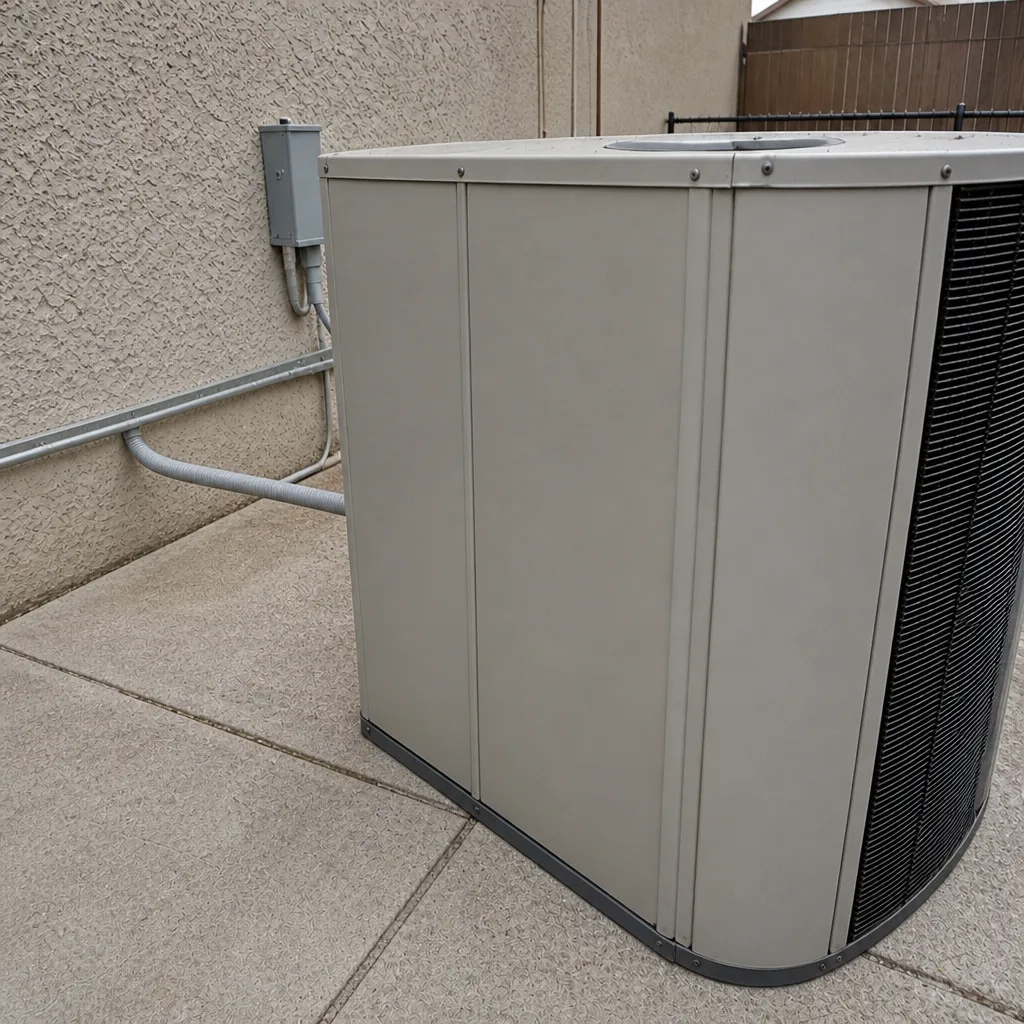
- Clearing the pad site and removing old landscaping, fences, or obstructions around the condenser location.
- Running the low-voltage thermostat wire if you’re confident with basic wiring and the run is straightforward.
- Painting, trimming, and landscape work around the new equipment after install.
- Registering the equipment warranty once the system is commissioned.
- Replacing your filter on schedule and keeping the surrounding area clear year-round.
Not safe to handle yourself:
- Anything involving refrigerant. Line-set brazing, evacuation, and charging require an EPA-certified tech. This is where a mistake turns into a safety hazard and an early equipment failure.
- High-voltage electrical work. The disconnect, breaker sizing, and bonding are unforgiving mistakes. Get a licensed electrician.
- Load calculation and equipment sizing. A wrong-sized system is the most expensive mistake in AC install. In Sunrise Manor’s climate, undersizing costs you comfort and money for the life of the unit.
- Final evacuation and commissioning. This is the step that decides whether your system lasts twelve years or four.
If you’re not sure whether your current system needs repair or replacement, our Furnace Repair in Sunrise Manor page covers the heating side with the same upfront-pricing approach.
What a Professional Install Includes
A licensed AC install in Sunrise Manor should include more than a box and a truck. Here’s what a properly run install looks like, and what you’re paying for:
- Load calculation sized to your home, not guessed from square footage.
- Equipment selection that qualifies for available NV Energy rebates.
- Permit filing handled by the contractor, with the permit in their name.
- Certified line-set work, evacuation, and charging by an EPA-certified technician.
- Electrical disconnect and bonding handled correctly the first time.
- Rebate paperwork filed for you, so you actually receive it.
- Warranty on labor that survives the install, with a documented process if something fails.
- Inspection coordination with Clark County so your system passes the first time.
Every job we run includes a written price before any work starts, a written guarantee on the install, and a live arrival time you can track to your door. If something fails within the guarantee window, we come back at no charge – that’s the 365-Day Done Right Promise, and it’s the difference between a contractor and a gamble. Our technicians have up to 22 years of experience and are certified on major brands including Carrier, Trane, American Standard, and Lennox, so the equipment you choose gets matched to a tech who’s worked on it before.
Common Mistakes to Avoid
- Buying equipment online without confirming the distributor will sell to you. Plenty of listings look available until checkout asks for a license number. Confirm before you pay.
- Skipping the load calculation to save $300. In Sunrise Manor’s heat, an undersized system runs continuously and still fails to cool. The $300 you save upfront costs you thousands in electricity and early replacement.
- Assuming the homeowner exemption covers rentals or second homes. It doesn’t. If the property isn’t your primary residence, all the DIY math goes out the window.
- Filing the NV Energy rebate yourself and getting rejected. The application needs a licensed contractor’s number in most tiers. Submit without it and you’ve lost the rebate entirely.
- Forgetting the electrical disconnect and bonding. Most common Clark County inspection failure on homeowner installs. Nail it or hire it out, but don’t skip it.
- Charging the system without certified evacuation first. Evacuation pulls moisture and air out before charging. Skip it and your compressor runs high head pressure and dies early. This is the failure we see most often in Sunrise Manor.
- Treating a failed inspection as a minor delay. Each re-inspection visit costs money. Two failures plus remediation erases any DIY savings you were counting on.
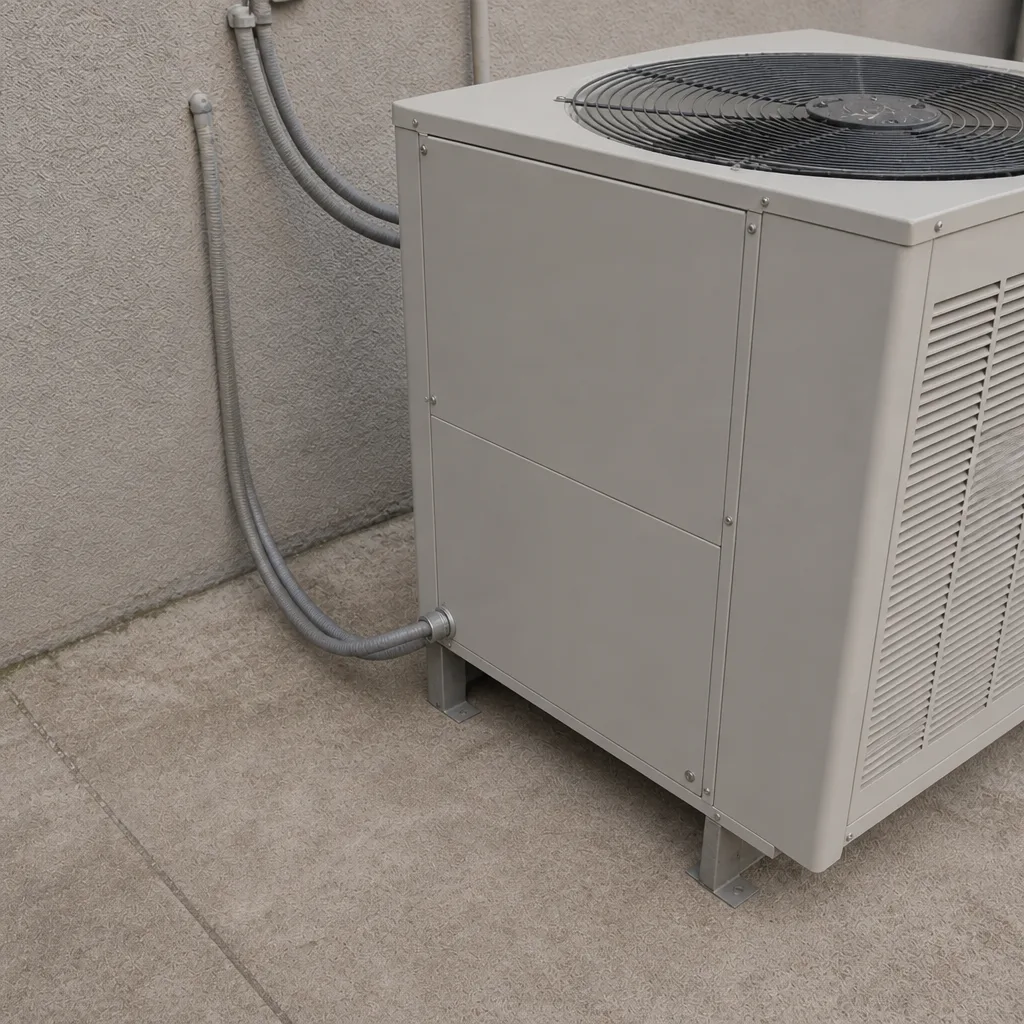
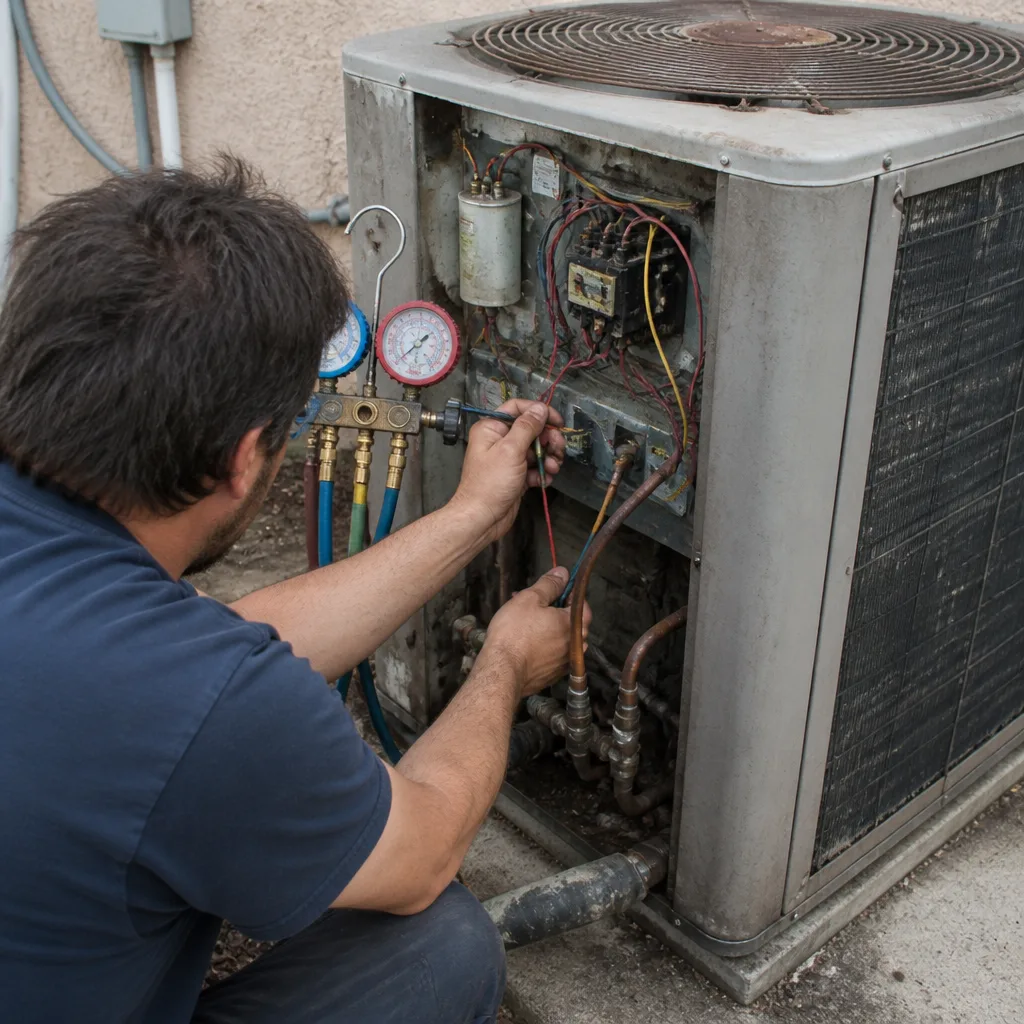
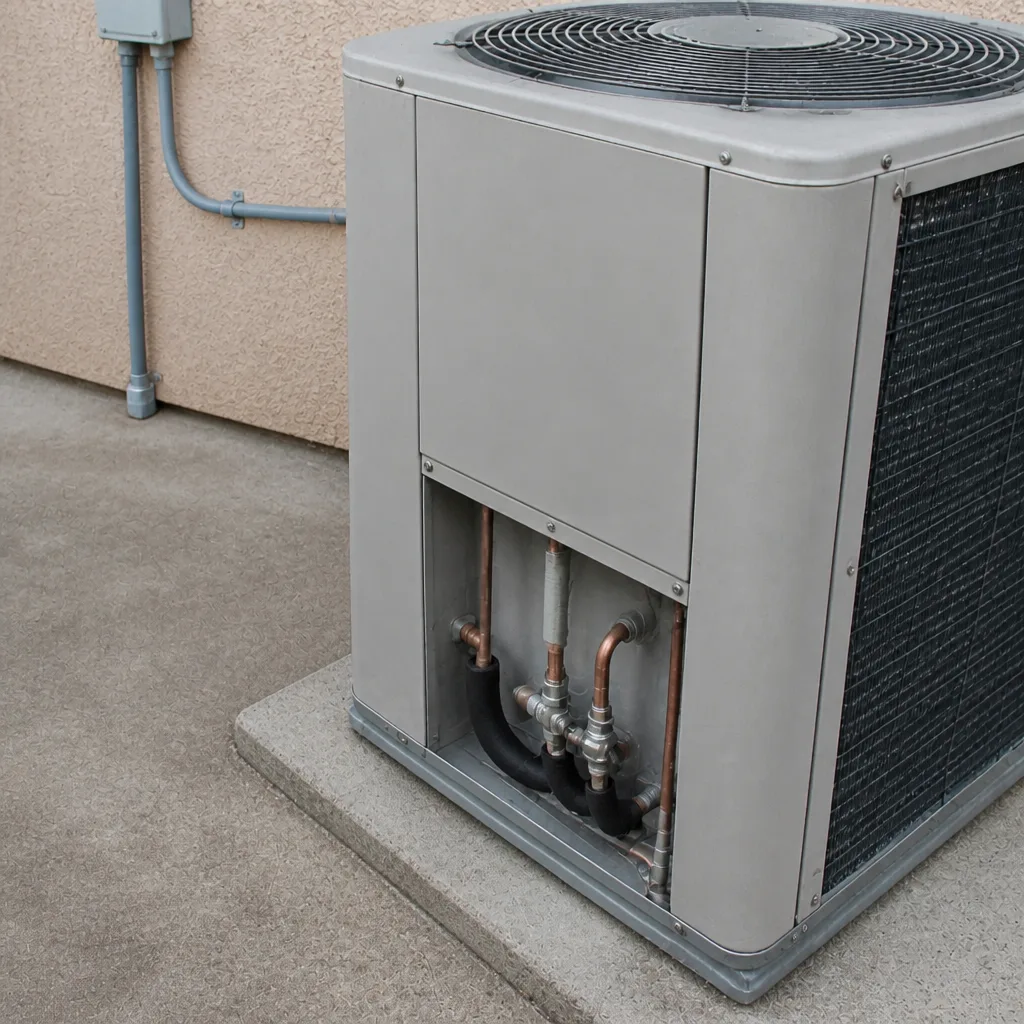
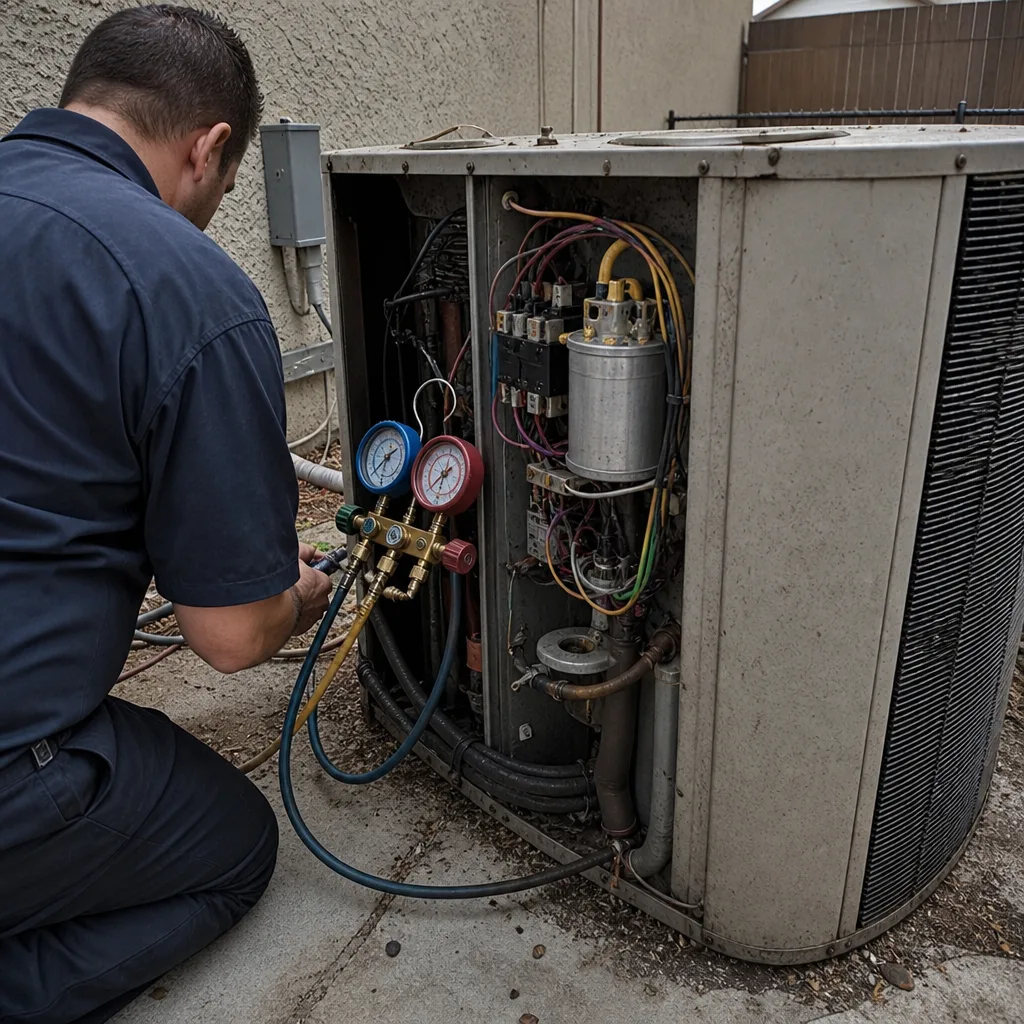
See the difference
 Before
 After
 Before
 After
 Before
 After
When to Call a Professional
Call a professional the moment the work touches refrigerant, high-voltage electrical, load calculation, or final commissioning – which in a standard AC install is basically all of it. Also call if you’re on a timeline, if the home is on a rental or investment property, or if you’re relying on an NV Energy rebate to make the numbers work. Those four conditions alone push you toward a licensed install. And if you’ve already started a DIY install and hit a wall – nobody will charge the system, the inspector flagged an issue, or the equipment arrived incomplete – call before the situation gets more expensive. We’ve walked Sunrise Manor homeowners back from half-finished installs more than once, and the sooner we see it, the less remediation costs. Halden Heating & Air Sunrise Manor offers free estimates in Sunrise Manor – call (833) 892-8106.
Frequently Asked Questions
Yes, legally – Nevada’s homeowner exemption allows you to perform HVAC installation on your primary residence without a contractor license. But the exemption doesn’t override federal refrigerant law, doesn’t unlock NV Energy rebates, and doesn’t change what distributors will sell you. Call (833) 892-8106 for a free estimate on a fully permitted professional install – the math is closer than you’d think.
Yes. Clark County requires a mechanical permit for new AC installation regardless of who does the work, including homeowner self-installs. The permit runs roughly $200 to $450 depending on system size and scope, and inspections are required. Call (833) 892-8106 to have your install permitted and coordinated properly.
Federal EPA Section 608 rules restrict refrigerant purchase to certified technicians. That means the line-set brazing, evacuation, and charging steps of an install require a certified tech on site – which is the biggest hidden cost in a DIY AC install. Call (833) 892-8106 to have the whole install handled by an EPA-certified technician.
Usually not. Most NV Energy rebate tiers require a licensed contractor’s number on the application, which effectively excludes self-installs. A licensed contractor files the rebate for you as part of the job, often covering several hundred dollars. Call (833) 892-8106 to see what your system qualifies for.
You pay a re-inspection fee, typically $75 to $150 per visit in Clark County, plus the cost of correction work and another inspection. Two failures and remediation labor often eras the savings you started with. Call (833) 892-8106 if you’re mid-install and stuck – the sooner we see it, the less remediation costs.
A standard 3-ton split-system replacement in Sunrise Manor typically runs $4,500 to $8,000 installed, depending on equipment tier, permit scope, and rebate application. Written price is delivered before work starts, so you see the final number before anyone touches the unit. Call (833) 892-8106 for an exact quote – estimates are free.
The Bottom Line
Nevada’s homeowner exemption is real, and a careful Sunrise Manor homeowner can legally install their own AC on their primary residence. But “legal” and “financially sensible” are two different questions. Once you account for the refrigerant restriction that forces certified labor anyway, the NV Energy rebate you can’t claim without a contractor’s number, the separate load calculation, and the re-inspection fees that hit if anything fails, the DIY savings window shrinks dramatically. The tasks that are genuinely safe to handle – site prep, thermostat wiring, landscaping – are exactly the ones that don’t touch the expensive parts. For everything else, a properly permitted, written-price, warrantied install wins on both cost and risk. Our technicians have up to 22 years of experience, and we’re certified to service every major brand. If you’re weighing your options, get the real number before you decide.
Halden Heating & Air is the HVAC company built for homeowners who expect upfront pricing in writing, a live arrival time they can track, and a real person on the phone at any hour. Every job comes with the 365-Day Done Right Promise, and if a repair fails within the guarantee window, we come back at no charge. Ready to see what your install actually costs? Call (833) 892-8106 for a free estimate – the written price comes before any work starts, every time.
Written by the team at Halden Heating & Air Sunrise Manor.