
Last updated November 17, 2026
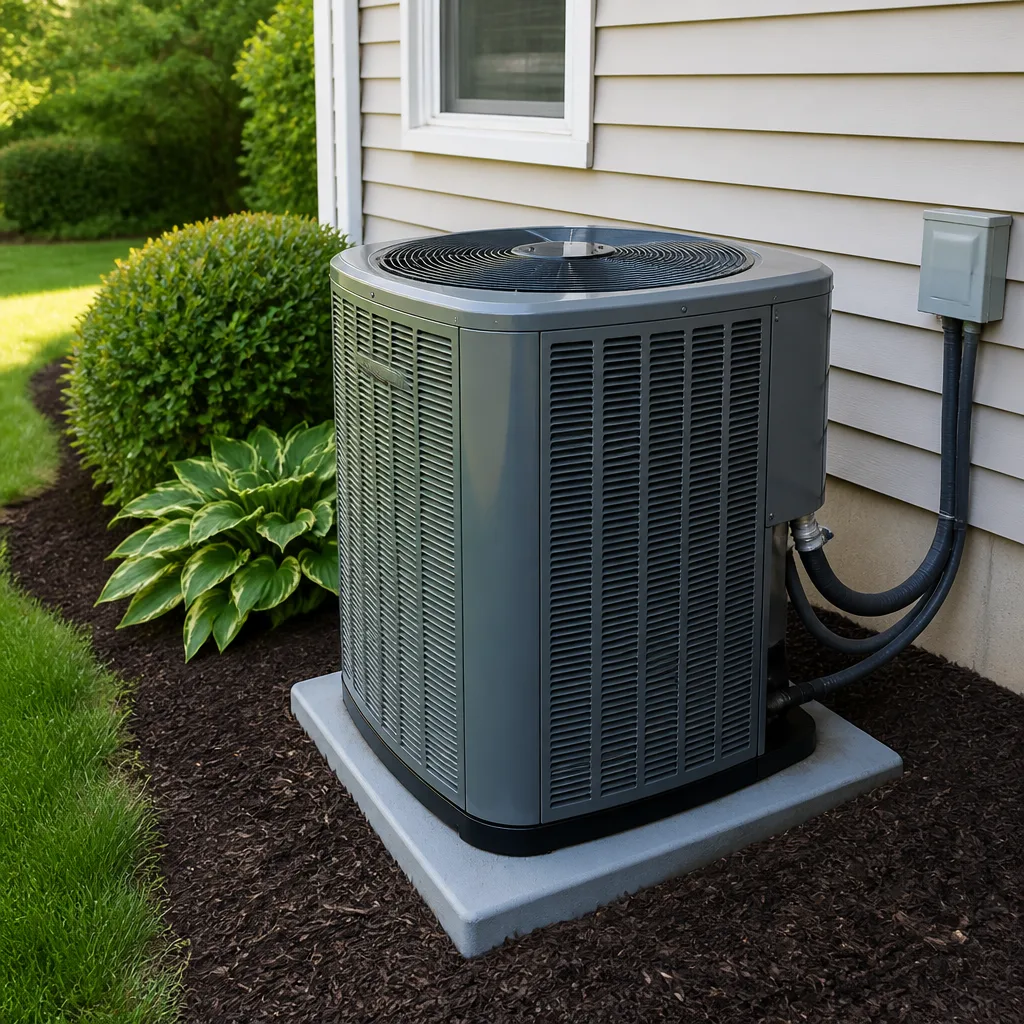 AC repair
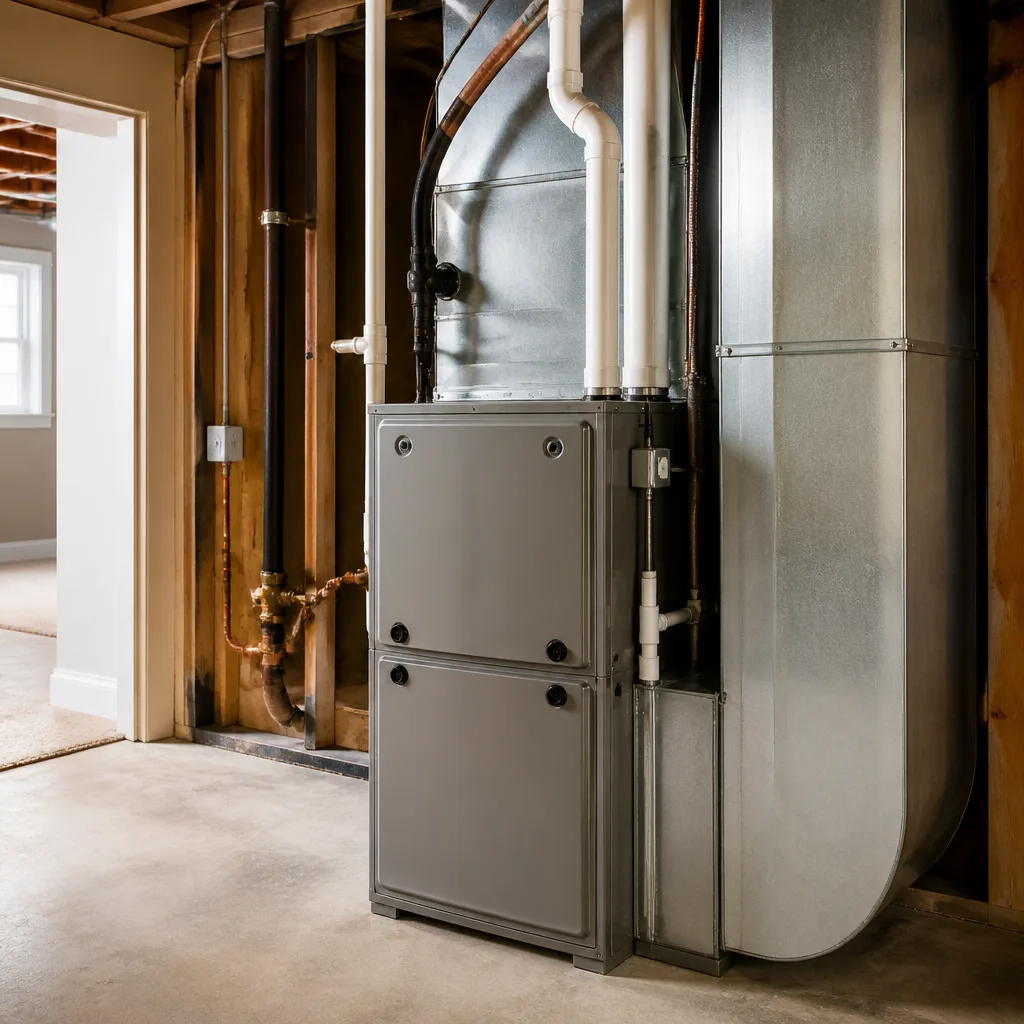 Furnace & heating
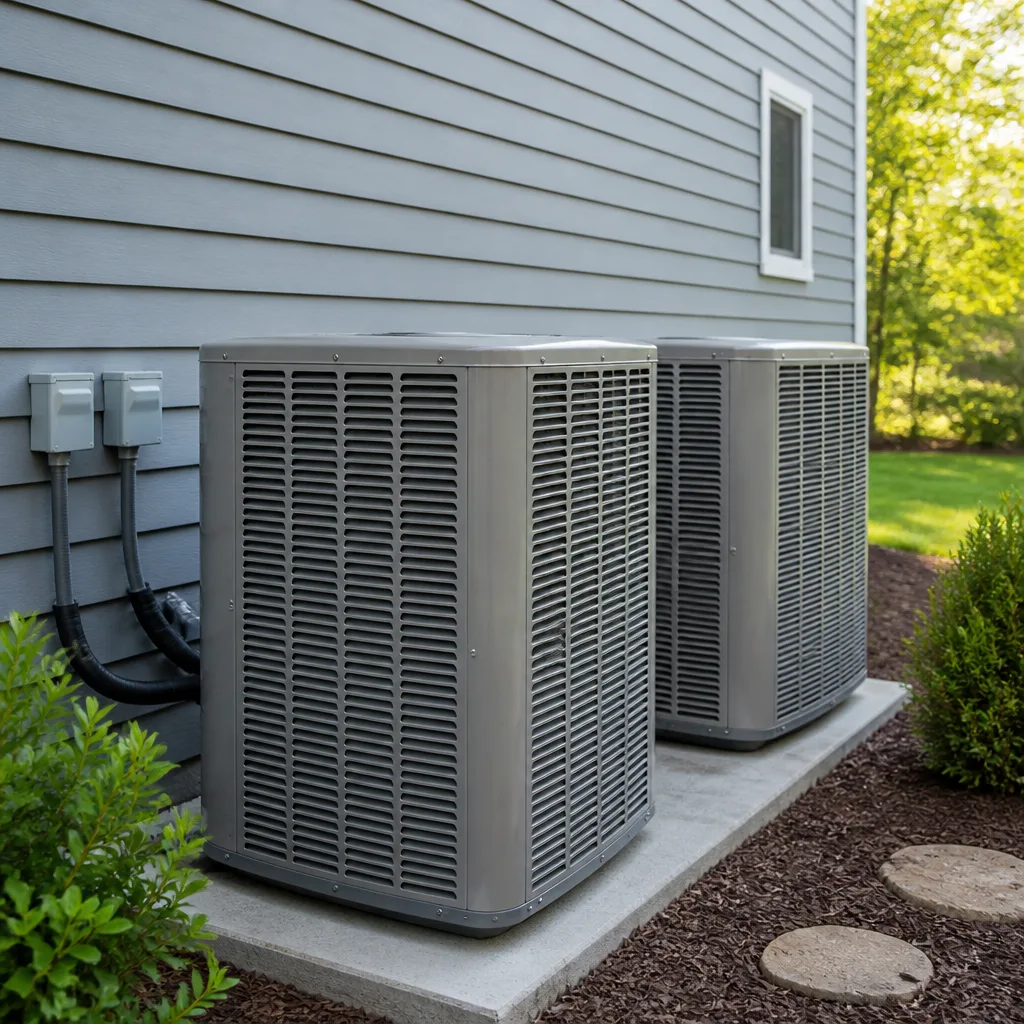 Heat pumps
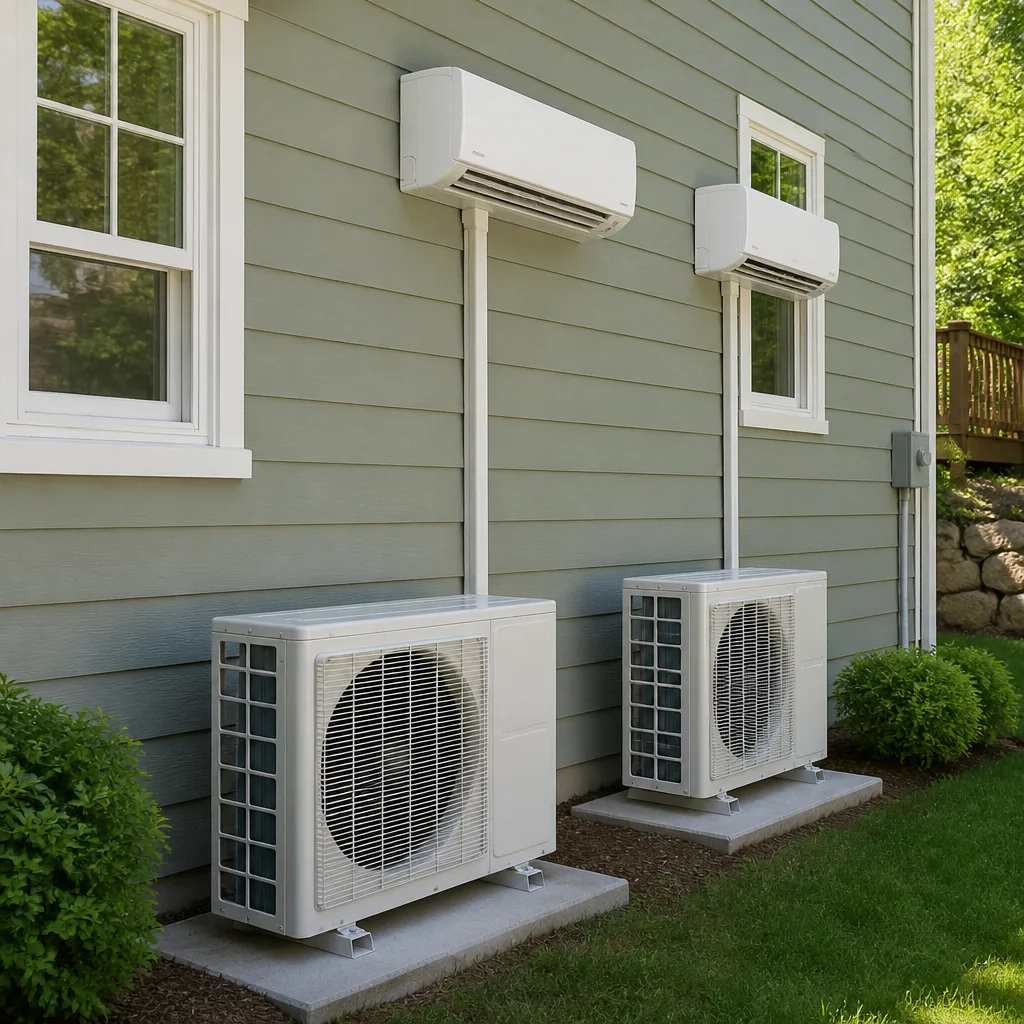 Ductless mini splits
 Carrier
 Trane
 Goodman
Seasonal tune-up and full diagnostic on your Carrier, Trane, or Goodman system - readings shown to you before any repair is proposed
Diagnosis first, numbers second - you approve the repair price before a single part goes in.
Get your free estimateAC Installation Warning Signs Every Homeowner Should Know
The number-one warning sign of a botched AC installation isn’t a broken unit. It’s a unit that runs constantly but never quite cools the house below 78°F on a 110-degree Sunrise Manor afternoon. That symptom points to exactly three installation mistakes, and you can verify all three yourself without touching any equipment. Most bad installs pass their first week with flying colors and don’t surface until a July electric bill doubles or a compressor dies at year four, long after the installer stopped returning calls. This guide shows you the checkable red flags: what to watch during the job, what to inspect the day after, and which paperwork proves the work was done right.
Quick Answer
The clearest AC installation warning signs are a system that runs but can’t hold temperature, no Manual J load calculation on paper, no pulled permit, a line set that isn’t insulated from condenser to air handler, and a crew that charges refrigerant without pulling a vacuum first. Any one of these means the install was rushed or done to guesswork rather than to specification. In Sunrise Manor, where summer highs push past 110°F, those shortcuts show up fast as high bills and early equipment failures.
Styles & brands we work with
- AC repair
- Furnace & heating
- Heat pumps
- Ductless mini splits
- Carrier
- Trane
- Goodman
Table of Contents
- The “Runs But Doesn’t Cool” Symptom Triangle
- Physical Inspection Points to Check the Day After Installation
- The Paperwork That Proves a Correct Install
- Installer Behavior Red Flags During the Job
- What Photos You Should Demand From Any Installer
- Why System Sizing Matters More Than Brand
- Common Mistakes to Avoid
- When to Call a Professional
The “Runs But Doesn’t Cool” Symptom Triangle
When an air conditioner runs nonstop but the house stalls at 78°F or higher, the cause is almost always one of three installation problems. This is the classic daytime pattern in Sunrise Manor, where homes in older tracts like the ones off Nellis Boulevard were built with thin attic insulation and west-facing walls that soak up heat all afternoon. Here’s the triangle and how to test each side.
1. Incorrect refrigerant charge (the amount of coolant in the system). Too little or too much refrigerant both cut cooling capacity. Your observation test: on a hot day, feel the large insulated copper line running from the outdoor condenser to the house. It should feel cold and sweating. If it’s merely cool, or if the smaller line feels hot while the big one is lukewarm, the charge is likely off. Also watch for ice on that line – it points to an undercharge the installer never dialed in.
2. Mismatched system sizing (a unit too big or too small for your square footage and heat load). An oversized unit cools fast, shuts off, and leaves the house humid and uneven; an undersized one never catches up. Your test: time how long the system runs to drop the temperature 2 degrees. If it runs 20 minutes and only a couple rooms get comfortable, ask the installer for the load calculation. If there isn’t one, sizing was guessed.
3. Duct leakage (conditioned air escaping through gaps in the ductwork before it reaches your rooms). Your test: on a bright afternoon, look for dusty streaks or gaps at the registers and in the attic where ducts connect. If the airflow at a far room feels half as strong as the room next to the air handler, you’re losing air in the ducts, not the equipment. We regularly see this in Sunrise Manor homes where new equipment was hung on tired, leaky ductwork instead of addressed.
Physical Inspection Points to Check the Day After Installation
You don’t need gauges or a multimeter to catch a lot of bad work. Walk outside the morning after the install and look at these four things. Each one is quick, visual, and tells you whether the crew finished or just quit.
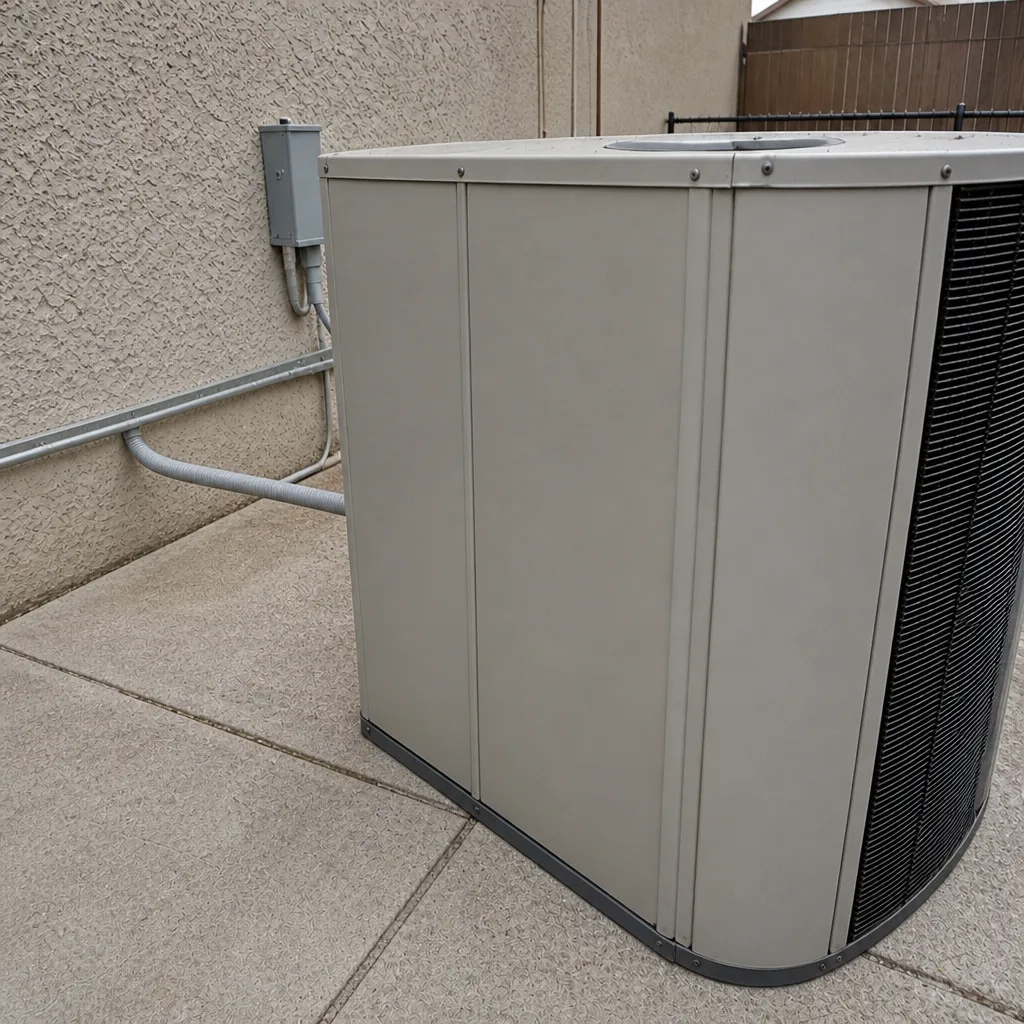
- Insulated line set from condenser to air handler. The large copper refrigerant line should be wrapped in foam insulation its full length, with no bare copper showing. Bare line means lost efficiency and condensation damage to your wall or attic.
- Condensate drain slope and trap. The white PVC drain that carries away moisture should slope gently downhill the whole way and have a trap (a U-shaped curve holding water) that keeps sewer gas and pests out. A flat or uphill drain clogs and floods your attic or closet within a season.
- Disconnect box clearance. The electrical shutoff box near the condenser should have clear space around it and a weatherproof cover. It should not be buried behind landscaping or crowded against the wall, and the cover must snap shut.
- Pad levelness. The concrete pad under the outdoor unit should sit level, not tilted. On a tilted pad, the compressor oil pools to one side, and that’s a slow path to compressor failure. Check with a level or just watch whether rainwater pools on one edge.
While you’re out there, look at the penetration where the line set enters the house. It should be sealed with caulk or foam, not left as an open gap. In Sunrise Manor, an open penetration is a direct invitation to heat, dust, and pests.
The Paperwork That Proves a Correct Install
Three pieces of paper separate a professional installation from a weekend guess. If you can’t get them, that itself is a warning sign. Ask for them before you sign off on the job.
- The Manual J load calculation (a room-by-room heat-load report that determines the right system size). This is the document a competent installer builds the whole job around. It factors your square footage, window area, insulation, and local summer design temperature – and in Sunrise Manor that design temperature is brutal, so guessing on size costs you. No Manual J means sizing was a rule of thumb, not a calculation.
- The pulled permit. Air conditioning replacement is permitted work in most jurisdictions. A permit means the install was inspected against code, including the electrical and refrigerant-handling requirements. An installer who suggests skipping the permit is telling you they’d rather not be inspected. Ask for the permit number and where it was filed.
- The written startup checklist signed off by the technician. A real install ends with measured readings: refrigerant superheat or subcooling, static pressure, temperature split across the coil, and electrical amp draws. A signed checklist recording those numbers proves the system was commissioned, not just switched on.
Keep all three. If a problem shows up months later, these documents are what an experienced tech uses to see whether the equipment was set up right from the start. Ready to schedule work that comes with documentation up front? See AC Installation in Sunrise Manor.
Installer Behavior Red Flags During the Job
Some of the most expensive mistakes happen in the hours before the system ever cools a room. Watch for these behaviors while the crew is on site – they’re the difference between a system that lasts 15 years and one that fails early.
Charging refrigerant without pulling a vacuum. Before refrigerant goes in, the lines must be vacuumed to remove air and moisture. Skipping or rushing the vacuum (usually a 15-to-30-minute process depending on the setup) traps moisture inside the system, where it forms acids that eat the compressor from the inside. A crew that “doesn’t have time” for a proper vacuum is a crew cutting the most important corner there is.
Skipping the electrical torque check. Loose electrical connections at the disconnect and contactor heat up, arc, and fail. Good installers torque connections to spec and check them; rushed ones finger-tighten and move on. This is why so many “mystery” no-cool calls in Sunrise Manor turn out to be a burned connection at the disconnect, not a failed compressor.
No protective covers or drop cloths. A team that tracks dirt through your house or leaves insulation scraps in the attic tells you how they handle the parts you can’t see. Careful crews protect the floors and clean up.
Nobody explains anything. A real installer walks you through the thermostat, the filter location, and the breaker before leaving. Silence at the end of the job is often a sign you’ll be the one figuring it out later.
What Photos You Should Demand From Any Installer
Photos are the accountability layer that makes everything else checkable after the crew is gone. A before-and-after photo set lets you see, weeks or years later, exactly how the job was done. Insist on these from any installer, and take a few of your own.
What to demand:
- A photo of the bare line set before insulation, so you know it was run cleanly and sealed.
- A photo of the electrical connections at the disconnect and air handler, with the readings recorded.
- A photo of the condensate trap and a shot of the drain slope.
- A photo of the sealed wall penetration and the level pad.
- A close-up of the data plate on the new unit showing the model and serial numbers.
- The signed startup checklist photographed next to the unit.
We build this into every job with a before-and-after photo protocol. That way the record of what was done travels with the address, and nobody has to take anyone’s word for it. For homeowners who want that level of accountability, Halden Heating & Air Sunrise Manor home lays out how booking, tracking, and the written price work together.
Why System Sizing Matters More Than Brand
Homeowners spend a lot of energy comparing brands – Carrier, Trane, Lennox, Goodman, Daikin, and the rest. Brand matters, but sizing decides whether the equipment ever performs. A perfectly good Bryant or American Standard unit that’s oversized or undersized will disappoint you, and a well-sized system from any major brand will keep you comfortable for years.
Here’s why, in plain terms. An oversized air conditioner blasts cold air for a few minutes, drops the thermostat reading fast, and shuts off. In that short cycle it never removes much humidity, and it starts and stops so often that the compressor wears out early. An undersized unit never catches up on a 110°F afternoon and runs nonstop, wearing itself down the same way. The right size is determined by the Manual J calculation, not by matching the old unit’s label or eyeballing your square footage.
In Sunrise Manor, sizing gets trickier because the heat load is extreme and the housing stock varies. A west-facing block home with single-pane windows carries a very different load than a shaded two-story a few streets over, even at the same square footage. We’ve seen correctly sized systems from Daikin and Carrier underperform purely because ductwork was undersized for the airflow. If your installer talks brand but never mentions the load calculation or the ducts, ask why.
Common Mistakes to Avoid
- Accepting a quote with no written price. If the number changes at the door or after the job starts, you’ve lost the leverage a locked written price gives you. Get it in writing before any tool comes out.
- Skipping the permit to save time. Unpermitted installs can complicate insurance claims and resale, and in Sunrise Manor’s older neighborhoods they leave electrical shortcuts that a later buyer’s inspector will find.
- Keeping tired ductwork under brand-new equipment. Hanging a new unit on leaky 20-year-old ducts is like putting a new engine in a car with a hole in the fuel line. Ask for a duct inspection and leakage test alongside the install.
- Judging a job by the first cool afternoon. A rushed install can feel fine in mild weather and fall apart in July. Verify the paperwork and photos, not just the cold air on day one.
- Ignoring the condensate drain until it floods. A flat or untrapped drain clogs quietly, then overflows into your attic or closet. Check the slope and trap the day after install, not after the ceiling stain.
- Letting a crew charge without a vacuum. If you don’t know whether the lines were vacuumed, ask. Trapped moisture is a compressor killer that shows up years later, long past the crew that did it.
When to Call a Professional
Some warning signs you can spot and a professional should fix. If your system runs but won’t hold temperature on a hot Sunrise Manor afternoon, if the line set is bare or the drain is flat, if the pad is tilted, or if the install came with no load calculation, no permit, and no signed checklist, it’s time for a trained set of eyes. Refrigerant work, electrical connections, and compressor diagnostics are not do-it-yourself territory – refrigerant is handled under specific rules, and working live electrical parts or opening a sealed system can cause serious injury or void your warranty. If the outdoor unit won’t start or the breaker trips, stop and call. Halden Heating & Air Sunrise Manor offers free estimates in Sunrise Manor – call (833) 892-8106. Every job includes a written price before work begins and a written guarantee, and if a repair fails, the free second visit is covered automatically. For a unit that’s already down, AC Repair in Sunrise Manor walks through the next steps.
See the difference
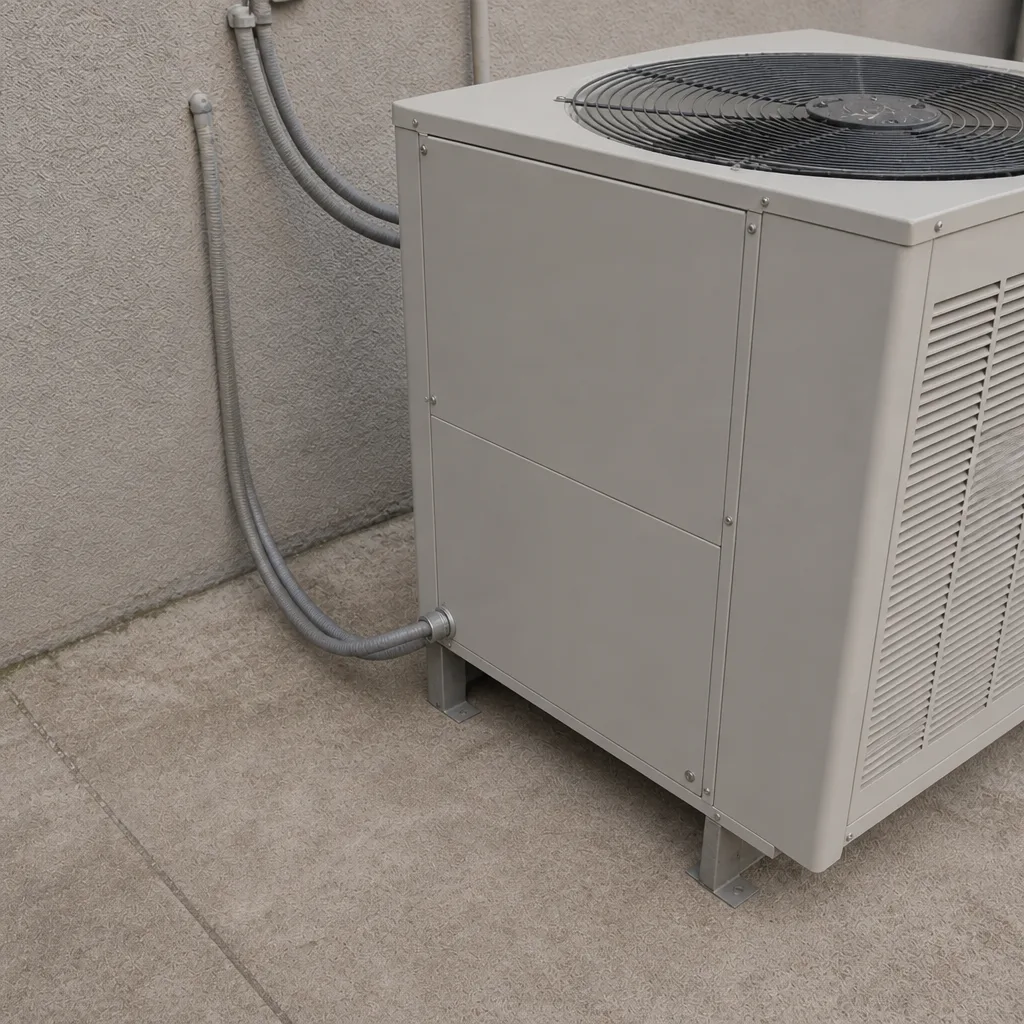
 Before
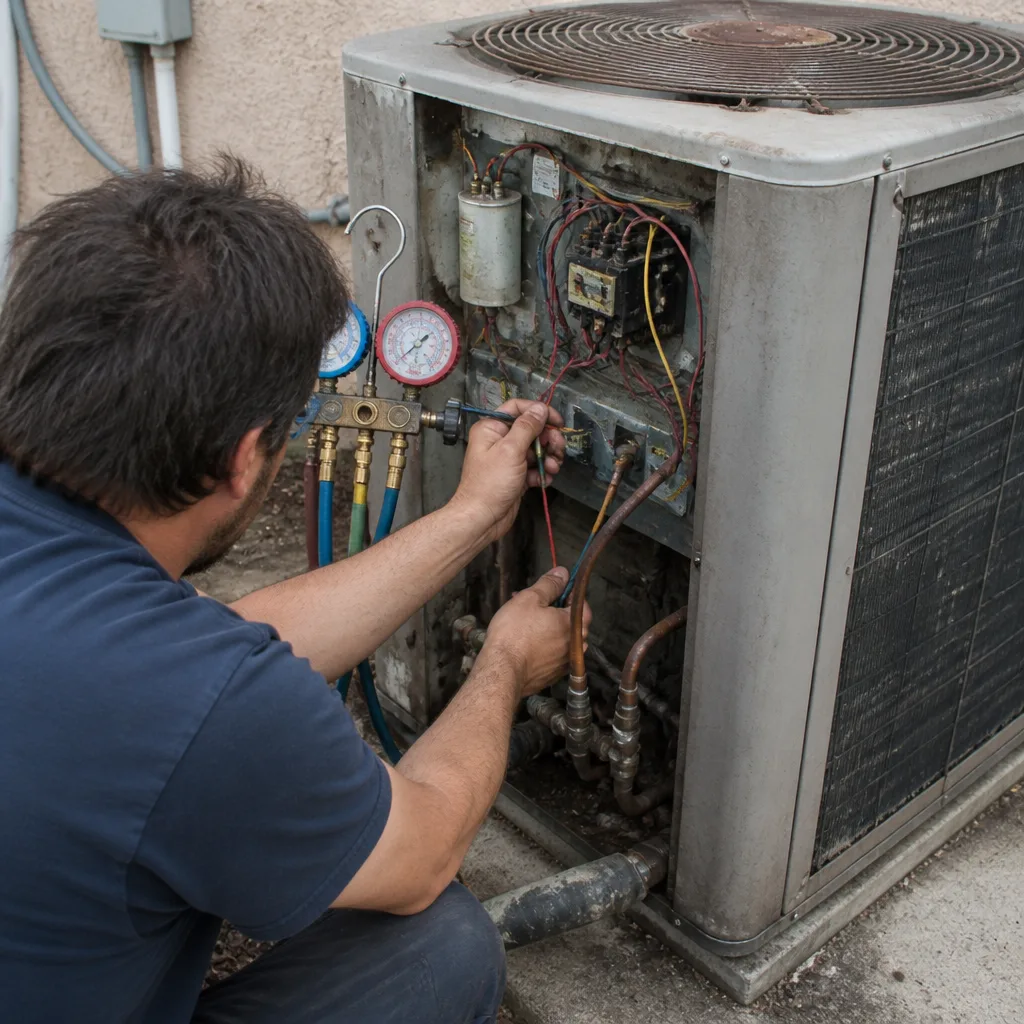
 After
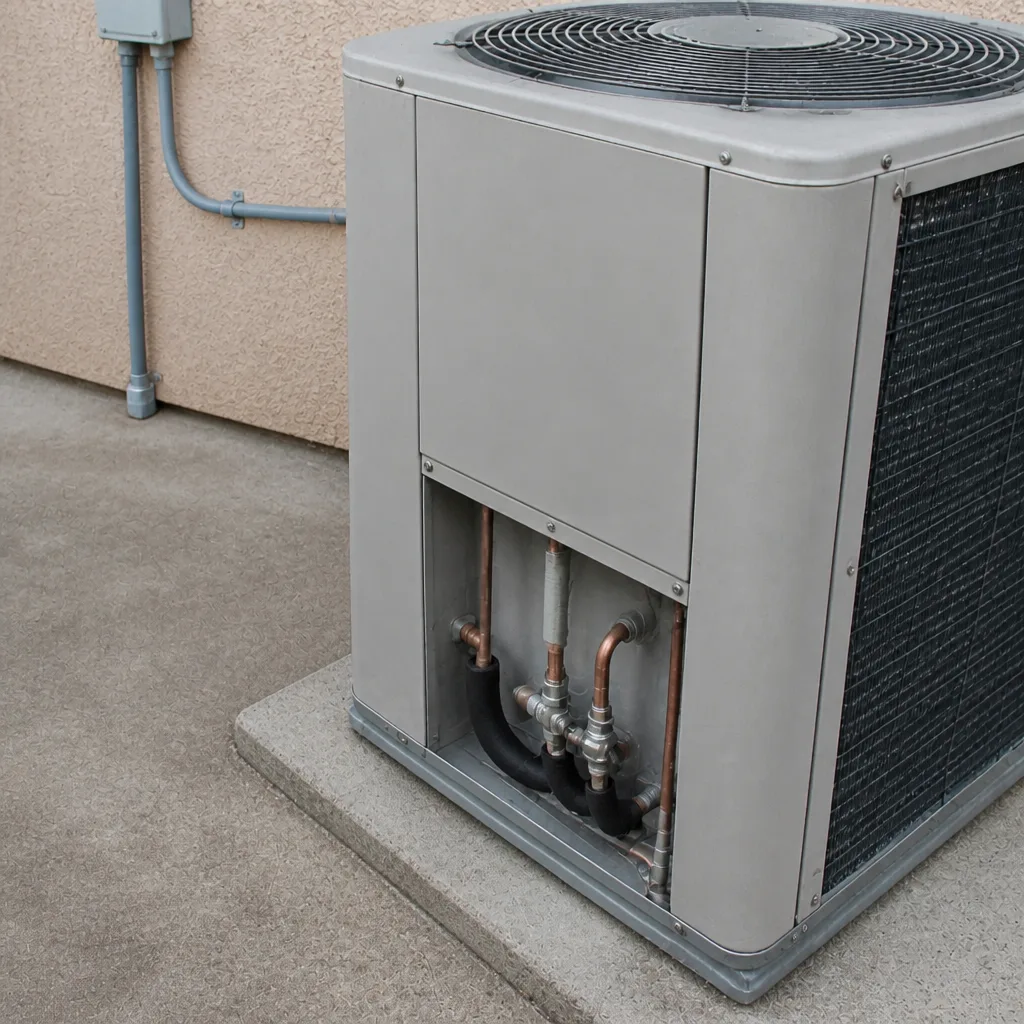
 Before
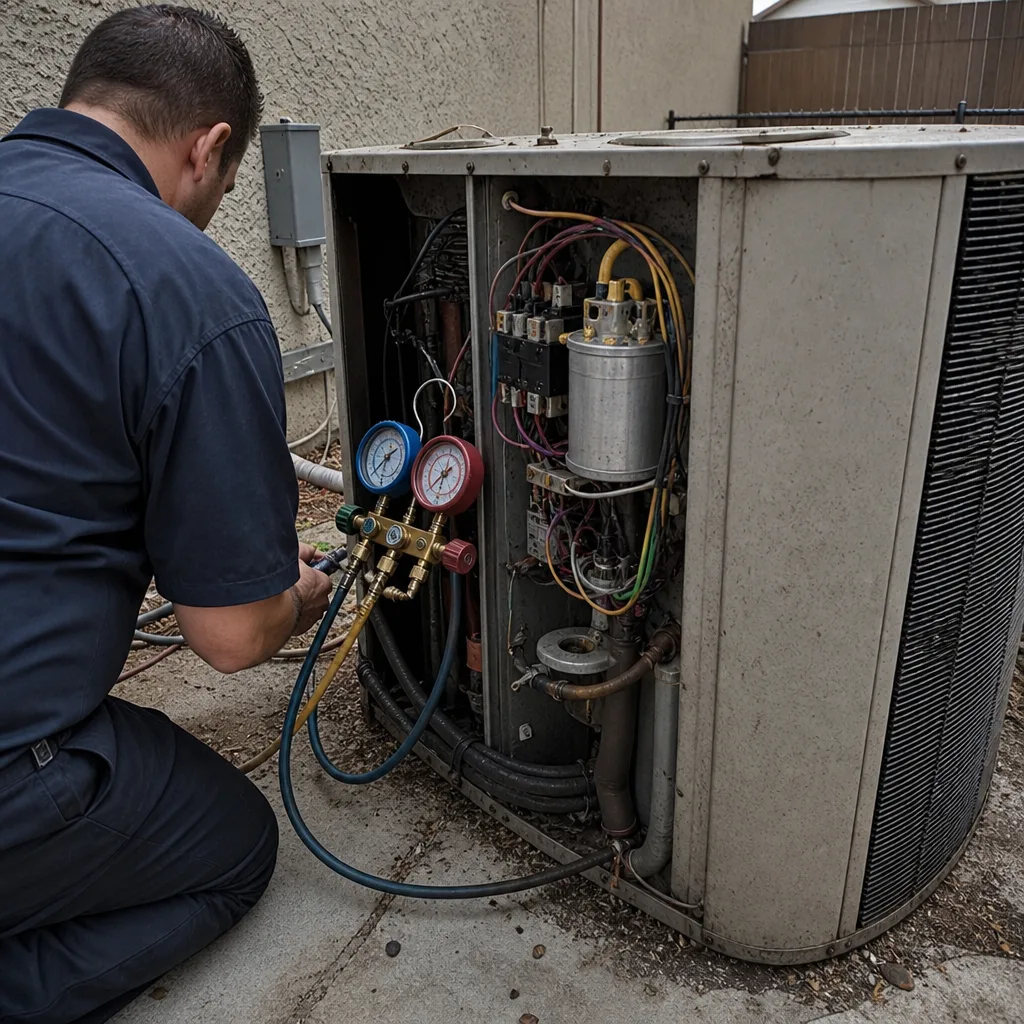
 After
 Before
 After
Frequently Asked Questions
The clearest signs are a system that runs constantly but can’t hold temperature, missing paperwork like a Manual J load calculation or a permit, a bare uninsulated line set, and a flat condensate drain. Electrical connections that overheat and fail early also point to a rushed install. Any of these warrant a second opinion before you rely on the unit through another season.
That points to one of three install problems: the refrigerant charge is off, the system is wrongly sized, or the ducts are leaking air before it reaches your rooms. It’s common in Sunrise Manor homes where new equipment went onto older, leaky ductwork. A technician can measure the charge and check sizing against the load calculation to pin it down.
Yes. A Manual J load calculation is how a correct installer sizes the system for your specific home and the local heat load, and it should be provided in writing. Without it, sizing was a guess. Call (833) 892-8106 for a free estimate that includes the paperwork up front.
AC replacement is permitted work in most jurisdictions, and the permit is how the install gets inspected against electrical and refrigerant-handling code. A company that suggests skipping it is telling you something important. Ask for the permit number before the job is signed off.
Most full AC installations run roughly $4,500 to $9,500, depending on system size, efficiency, and whether ductwork needs work. Extreme local summer heat means proper sizing can’t be skipped, so insist on a load calculation. Call (833) 892-8106 for a free estimate with a locked written price.
Ask for before-and-after photos of the line set, the electrical connections with readings, the condensate trap and drain slope, the sealed wall penetration, and the new unit’s data plate. Also ask for a photo of the signed startup checklist. These give you a record of how the installation was done long after the crew is gone.
Yes. A skipped vacuum, a loose electrical connection, or a wrong charge can cause compressor or electrical failures within the first cooling season, especially under Sunrise Manor’s extreme summer heat. That’s why the paperwork and photo record matter – they show whether the job was done to spec or rushed.
It depends on what’s wrong. A wrong charge or a loose connection is usually repairable; a wrongly sized system or badly leaking ducts may call for correcting the install rather than patching it. A written diagnostic with measured readings is the place to start. Call (833) 892-8106 for a free estimate, and if a repair fails, the free second visit is covered under our written guarantee.
The Bottom Line
A correct AC installation is proved by paperwork and photos, not by the first cold afternoon. Watch for the runs-but-doesn’t-cool triangle of charge, sizing, and duct leakage; inspect the line set, drain slope, disconnect clearance, and pad level the day after; and demand a Manual J load calculation, a permit, and a signed startup checklist. Red flags during the job – no vacuum, no torque check, no photos – tell you how the job will age. In Sunrise Manor’s heat, those shortcuts surface fast, and the written guarantee is what protects you when they do. For furnace work, see Furnace Repair in Sunrise Manor.
Get a Written Price Before Anything Starts
Book online, get a live arrival time you can track to the door, and see a locked written price before a single tool comes out. Halden Heating & Air Sunrise Manor answers calls with a real person 24/7 – no voicemail, no phone tag. Every job carries our 365-Day Done Right Promise and a written guarantee, and if a repair fails, the free second visit is automatic. Certified to service Carrier, Trane, Lennox, Goodman, Daikin, Bryant, and more. Call (833) 892-8106 for a free estimate.
Written by the team at Halden Heating & Air Sunrise Manor.