
Last updated November 17, 2026
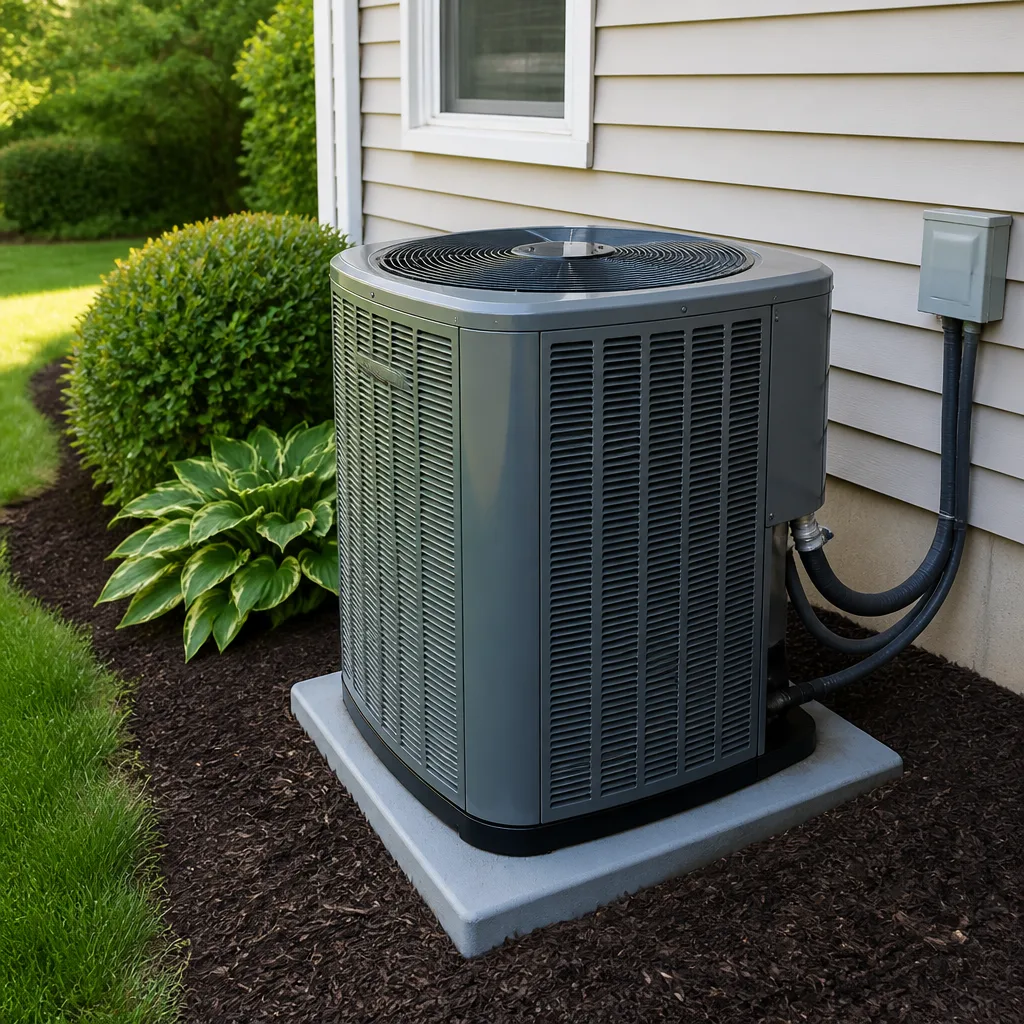 AC repair
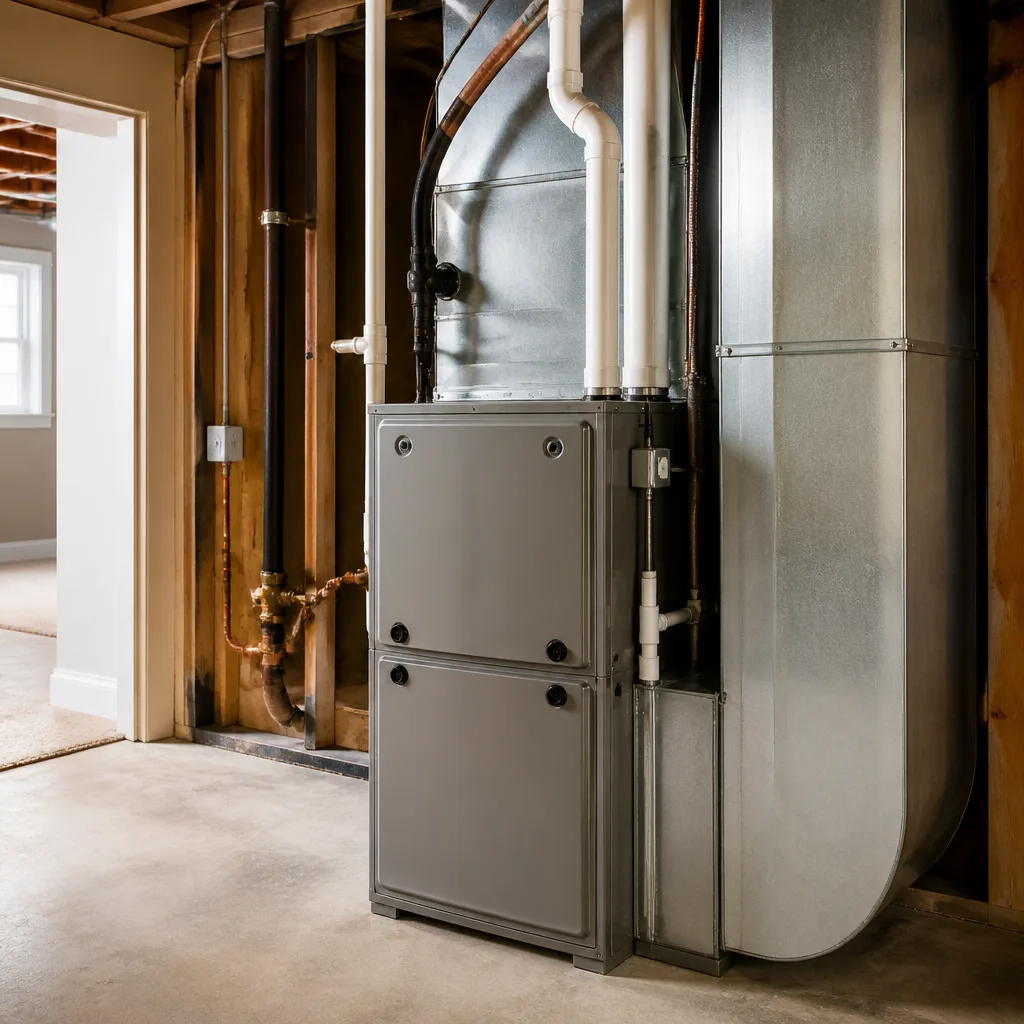 Furnace & heating
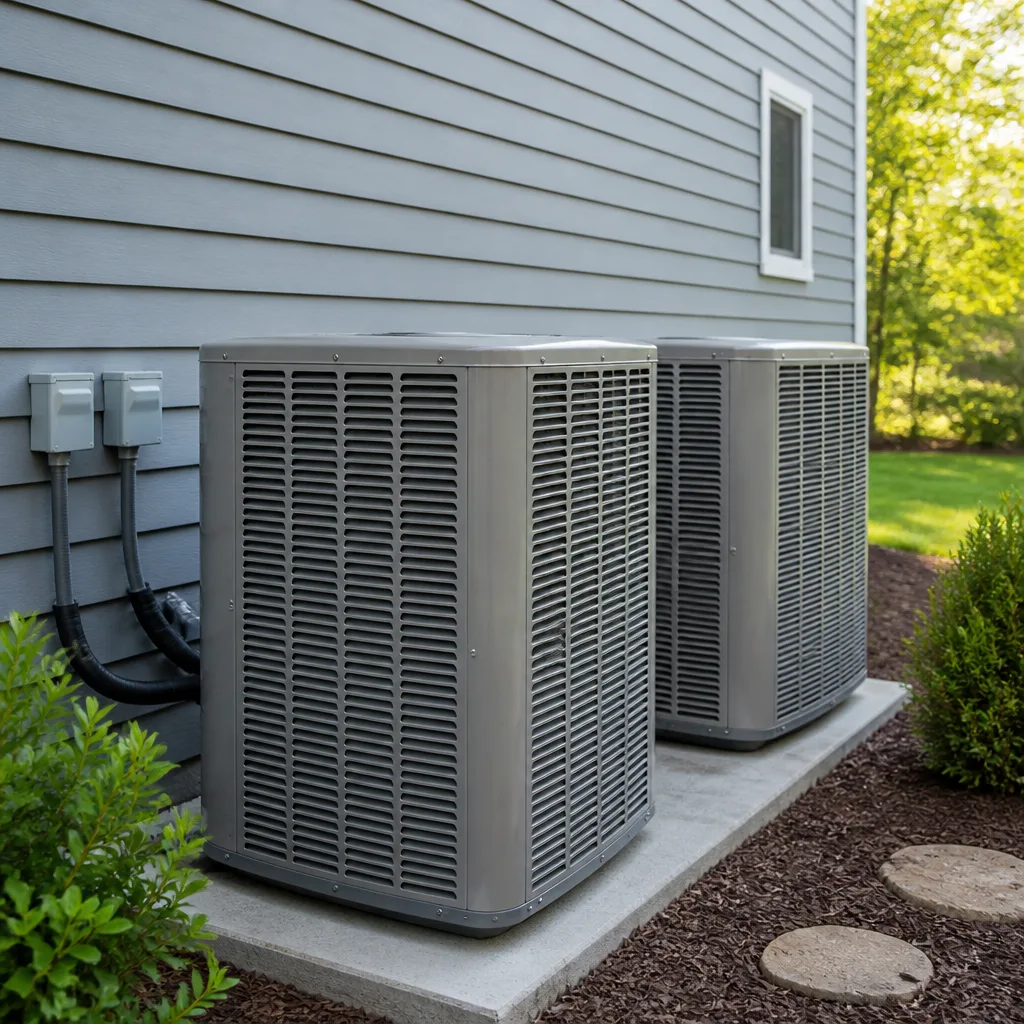 Heat pumps
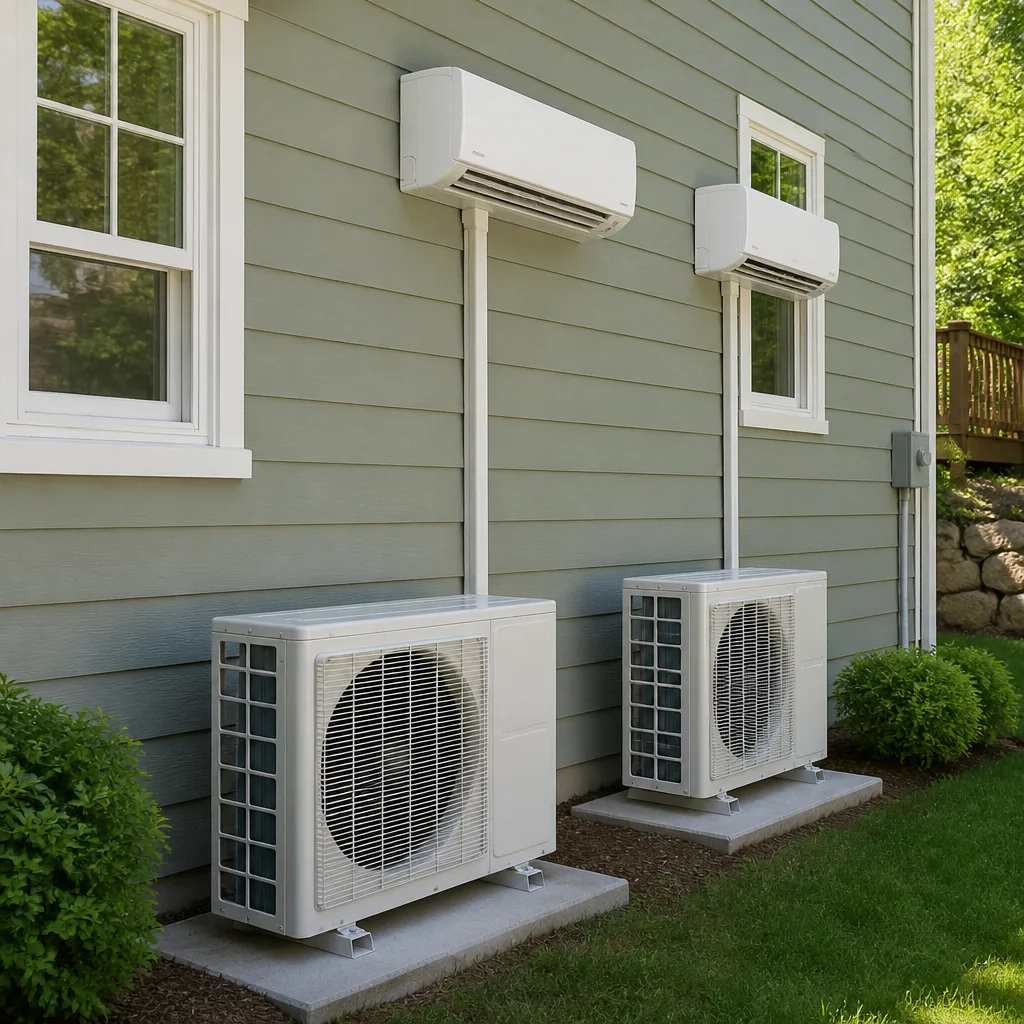 Ductless mini splits
 Carrier
 Trane
 Goodman
Seasonal tune-up and full diagnostic on your Carrier, Trane, or Goodman system - readings shown to you before any repair is proposed
Diagnosis first, numbers second - you approve the repair price before a single part goes in.
Get your free estimateFurnace Repair Troubleshooting: Common Problems and How to Fix Them
If your furnace kicks on, runs for 30 to 90 seconds, then shuts off before the house warms up, that’s called short cycling, and five possible causes account for about 95% of the cases we see. You can rule out three of them yourself in under 10 minutes with no tools. What follows is the same elimination sequence a trained technician runs, organized by symptom, so you either solve the problem before lunch or walk into your service call knowing which part is likely failing and what a fair price for it looks like. We’re writing this from Sunrise Manor, where desert nights swing cold fast and a dead furnace isn’t something you wait out until Monday.
Quick Answer
Most furnace failures trace back to airflow or ignition, not a broken major component. Start by checking the filter and the thermostat, then look for the blinking LED error code on the control board, which usually names the failed part directly. If the code points to a gas valve, a cracked heat exchanger, or anything involving high-voltage wiring or the burners themselves, stop there and call a licensed technician.
Styles & brands we work with
- AC repair
- Furnace & heating
- Heat pumps
- Ductless mini splits
- Carrier
- Trane
- Goodman
Table of Contents
- How the elimination sequence works
- Furnace won’t start
- Furnace starts then shuts off
- Furnace runs but no heat
- Furnace makes noise
- Furnace trips the breaker
- What furnace error codes actually mean
- What to tell your technician
- Common mistakes to avoid
- Frequently asked questions
How the elimination sequence works
Technicians don’t guess. We work from the cheapest, most common failure toward the rarest and most expensive one, and we stop the moment a test confirms a fault. That’s the whole method, and you can borrow it.
- Confirm power and call for heat. Thermostat set above room temperature, mode on Heat, breaker on. Sounds obvious; it resolves more calls than anything else.
- Check airflow. A clogged filter chokes the system and triggers safety shutdowns. Swap it before anything else.
- Read the error code. The control board flashes a pattern that names the failing component. This is the single most useful five seconds in furnace troubleshooting.
- Test the easy ignition parts. Flame sensor and ignitor are the two most common culprits, and the sensor can often be cleaned at home.
- Stop at gas and electrical. Once the sequence points to the gas valve, burners, high-voltage board, or heat exchanger, the DIY portion is over.
Working in order keeps you from replacing a good part while the real fault sits two steps down the list. If you’d rather hand the whole sequence to us, furnace repair in Sunrise Manor starts with a written price before any tool comes out.
Furnace won’t start: the step-by-step check
A furnace that stays completely silent usually has a power, thermostat, or safety-switch problem, and all of it is homeowner-safe to check.
- Look at the thermostat. Dead batteries are the most common cause of a “dead” furnace. Replace them and try again.
- Check the breaker. Find the furnace breaker in the panel and confirm it’s not tripped. If it trips again immediately, stop and call us; that’s an electrical fault, not a reset problem.
- Find the furnace switch. Many units have a toggle switch near the unit or at the top of basement stairs. Someone flips it during cleaning and forgets.
- Check the access panel. Furnaces have a safety door switch. If the panel isn’t seated fully, the unit won’t fire.
- Confirm the gas supply. If you smell gas, leave the house and call your gas utility before anything else.
- Read the control board LED. A steady or flashing code tells you where to look next.
In Sunrise Manor, we regularly find the panel switch or a tripped breaker behind “dead furnace” calls during the first cold snap of December, when systems that sat idle all summer get their first real workout. If steps one through six don’t light it up, that’s your handoff point.
Furnace starts then shuts off: the five causes
Short cycling is the symptom behind our opening hook, and five causes cover the overwhelming majority. You can clear the first three without tools.
- Restricted airflow. A dirty filter, blocked return, or closed vents make the furnace overheat and trip its high-limit switch. Change the filter, open the vents, and clear furniture off the returns.
- Thermostat placement or settings. A thermostat near a drafty door or in direct sun reads the wrong temperature and cycles the unit. Check the schedule and the location.
- Clogged condensate line. On high-efficiency units, a blocked drain triggers a safety shutoff. Look for standing water near the unit.
- Dirty flame sensor. The sensor can’t confirm the flame, so the board shuts the gas off after a few seconds. Cleaning it (below) often fixes this.
- Failing high-limit switch or blower. A weak blower motor or a limit switch that trips too early needs a technician to test and replace.
If you clear the filter, the vents, and the drain and it still cycles, the likely culprits are the flame sensor or a component that needs testing. That’s the point where a diagnostic visit pays for itself.
Furnace runs but no heat: where the flame got lost
You hear the blower, air moves, but it comes out cool. That means the system is moving air but the burner isn’t lighting, or it lights and immediately loses the flame.
The usual sequence inside the unit: the draft inducer fan starts, the ignitor glows, the gas valve opens, the burner lights, and the flame sensor confirms the flame. If any step fails, the board locks out to protect you. The two most common failures are the hot surface ignitor (a fragile ceramic part that cracks over time) and the flame sensor (a metal rod that coats with residue and stops sensing).
You can safely inspect the flame sensor and clean it (the next section explains how). You should not attempt to test or replace the gas valve, the ignitor wiring, or the burners. Those involve gas and line voltage, and a mistake there is a genuine safety risk, not a repair bill. If the code points to the gas valve or the board, that’s a licensed-technician job.
Furnace makes noise: matching the sound to the cause
Noise is the furnace telling you which part is working too hard. Match what you hear to the list below.
- Banging or booming at startup. Delayed ignition, where gas builds up before it lights. Stop using the furnace and call a technician; this one is a safety issue.
- Rumbling or popping. Often a dirty burner or a sign of an aging heat exchanger. Needs a technician’s inspection.
- Squealing or screeching. A dry or failing blower bearing or belt. Lubrication or replacement, usually best left to a pro.
- Rattling. Loose panels, a vibrating duct, or debris in the blower. Check the panels are seated first.
- Clicking that repeats. The ignitor trying and failing to light. Ties directly to the no-heat and won’t-start paths above.
A banging furnace in Sunrise Manor during a cold January night is the call we take most often, and it’s the one where we’d rather you shut it down and call than let it run while you sleep.
Furnace trips the breaker: the electrical stop line
A breaker that trips once can be a fluke. A breaker that trips again after you reset it is an electrical fault, and this is where DIY ends.
- Reset once. If it holds and the furnace runs normally, watch it.
- If it trips again, do not keep resetting. Repeated resets can damage the board or the blower motor.
- Check for a wet or shorted component. A condensate leak onto electrical parts is a common trigger on high-efficiency units.
- Call us. A tripping breaker points to a shorted blower motor, a failing control board, or a wiring fault, and all three live inside line-voltage territory.
Electrical faults sit next to gas faults as the two areas where we never coach a homeowner to keep going. The part that fails could be a $180 blower capacitor or a $600 control board, and only a meter and a trained eye can tell you which.
What furnace error codes actually mean
Here’s what most homeowners don’t know: nearly every modern furnace has a small LED on the control board that flashes a pattern naming the failed component. This is the single fastest diagnostic in the whole sequence, and it’s free.
Count the flashes, then look up that number on the sticker inside the blower door. That sticker is the cheat sheet, and it’s printed on every Goodman, Rheem, York, and Daikin unit we service. A code for “pressure switch” points to a blocked flue or inducer; a “flame sense” code points to the sensor; an “ignition lockout” code tells you the burner never lit. Write the count down before you call. A technician who knows the code arrives with the right part on the first visit instead of the third, and that saves you both a diagnostic trip.
If you can’t find the sticker, photograph the flashing LED and the model badge and read the code to us when you call. We keep a live person on the line, day or night, and we’ll tell you what the pattern means for your unit.
What to tell your technician
If you can’t finish the fix, the fastest way to a fair, accurate price is to describe the symptom sequence clearly. Read this before you book.
- The exact behavior. “Starts, runs 45 seconds, shuts off” beats “it’s broken” by a mile.
- The error code count. Tell us the flash pattern and the model number.
- What you already tried. New filter, reset breaker, cleaned sensor. It saves you a diagnostic charge for work you’ve already done.
- Where the noise comes from. During startup, during the run, or at shutdown.
- Unit age and brand. A 15-year-old unit and a three-year-old unit get different diagnoses.
When you book with us, you get a live arrival time you can track to your door instead of a four-hour window, and a written price before any work starts. That transparency matters most on the calls where you’ve already done the legwork.
Common Mistakes to Avoid
- Resetting the breaker repeatedly. Each reset pushes current into a fault that could be a shorted motor or board. It’s an electrical fault; call someone.
- Replacing parts before reading the code. A new ignitor won’t fix a flame-sensor lockout. Read the board first.
- Ignoring the filter during heating season. Sunrise Manor’s dusty desert air loads a filter faster than you’d expect; check it monthly from October through March.
- Cleaning the flame sensor with sandpaper. Coarse grit strips the coating and makes it worse. Use fine steel wool only.
- Bypassing the door safety switch. People do this to “test” a furnace. It defeats the one thing keeping you safe from the burners.
- Running a banging furnace to “see if it clears.” Delayed ignition can cause a small explosion. Shut it down and call.
- Chasing gas smells alone. Never investigate a gas smell yourself. Leave, then call your utility.
See the difference
 Before
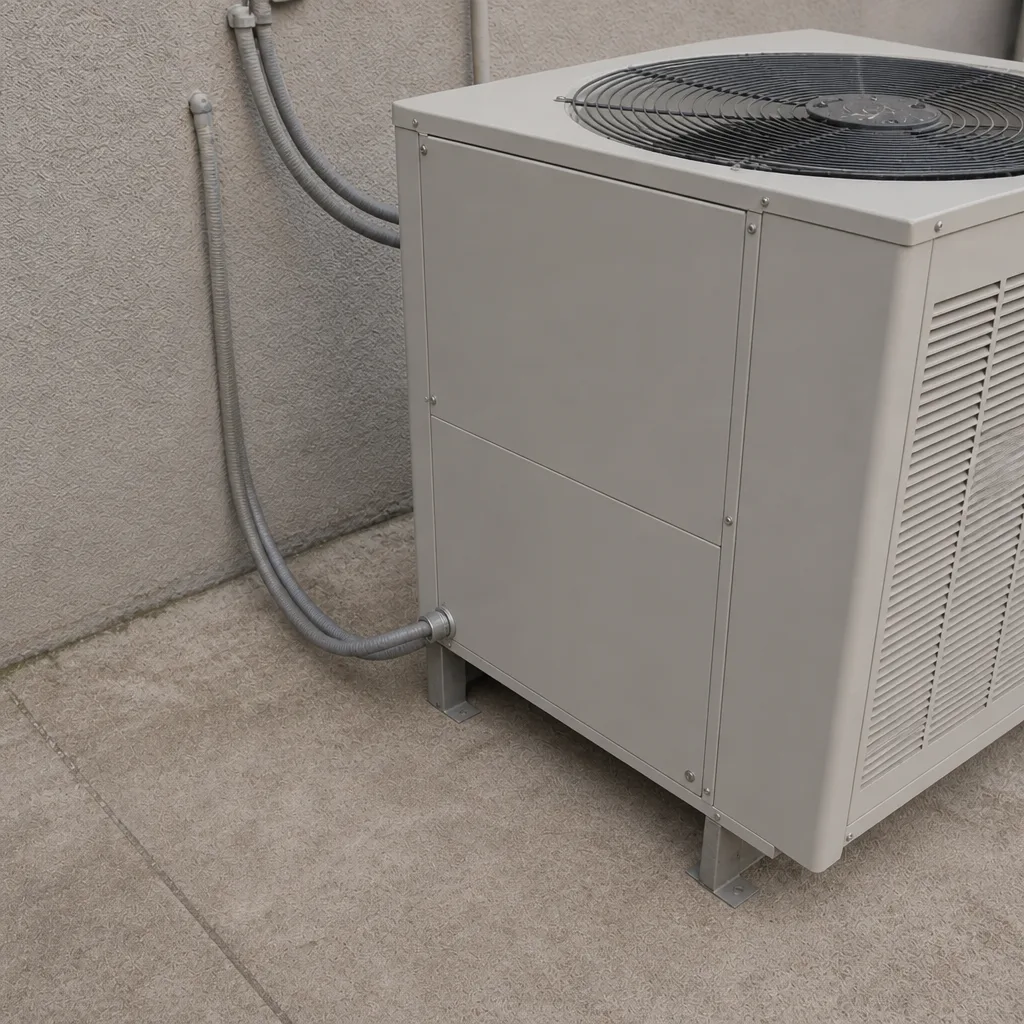 After
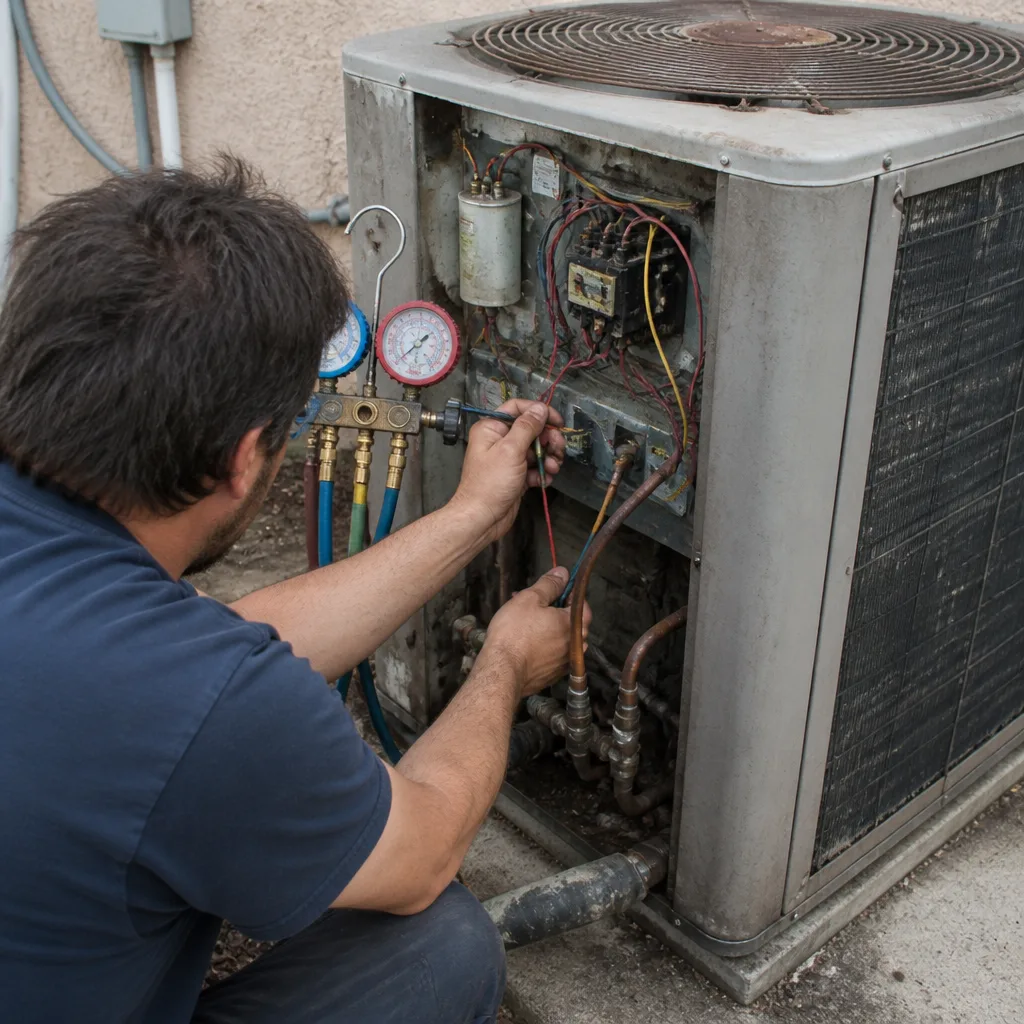 Before
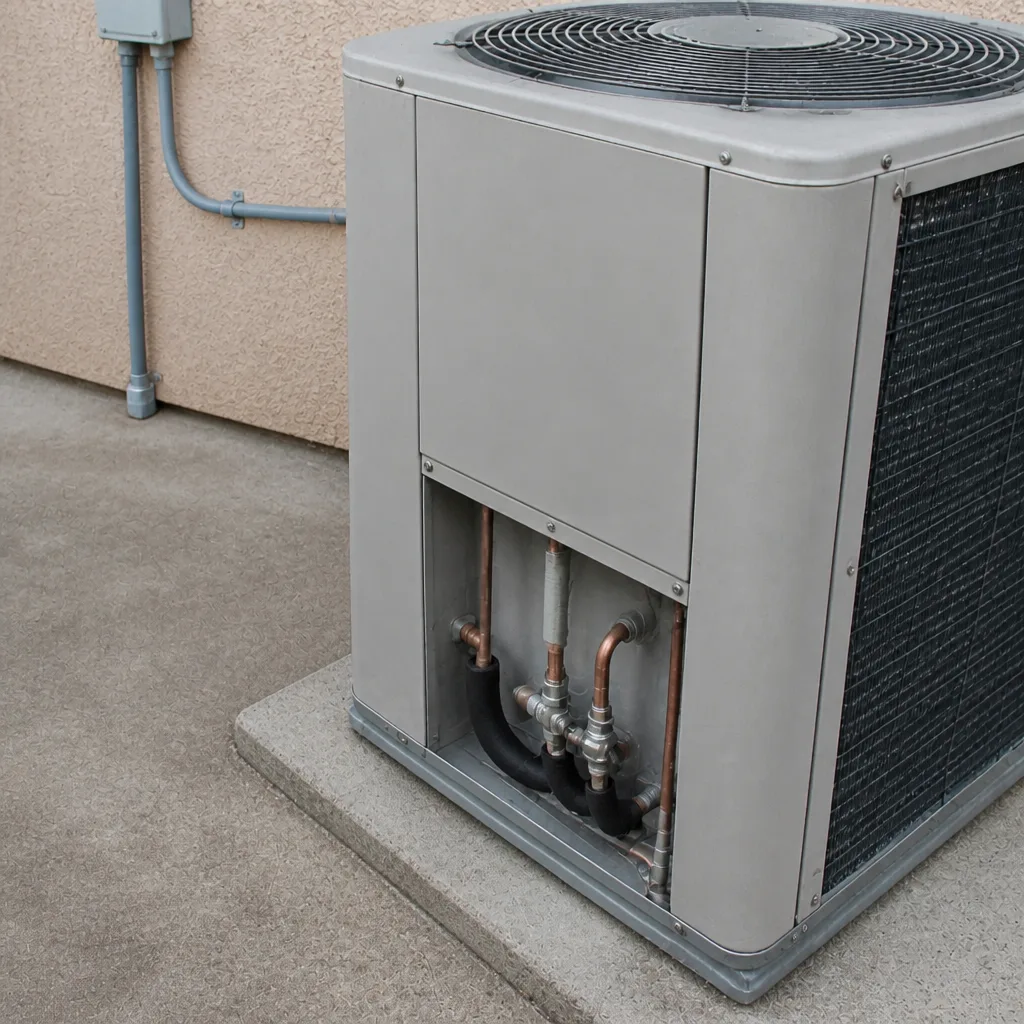 After
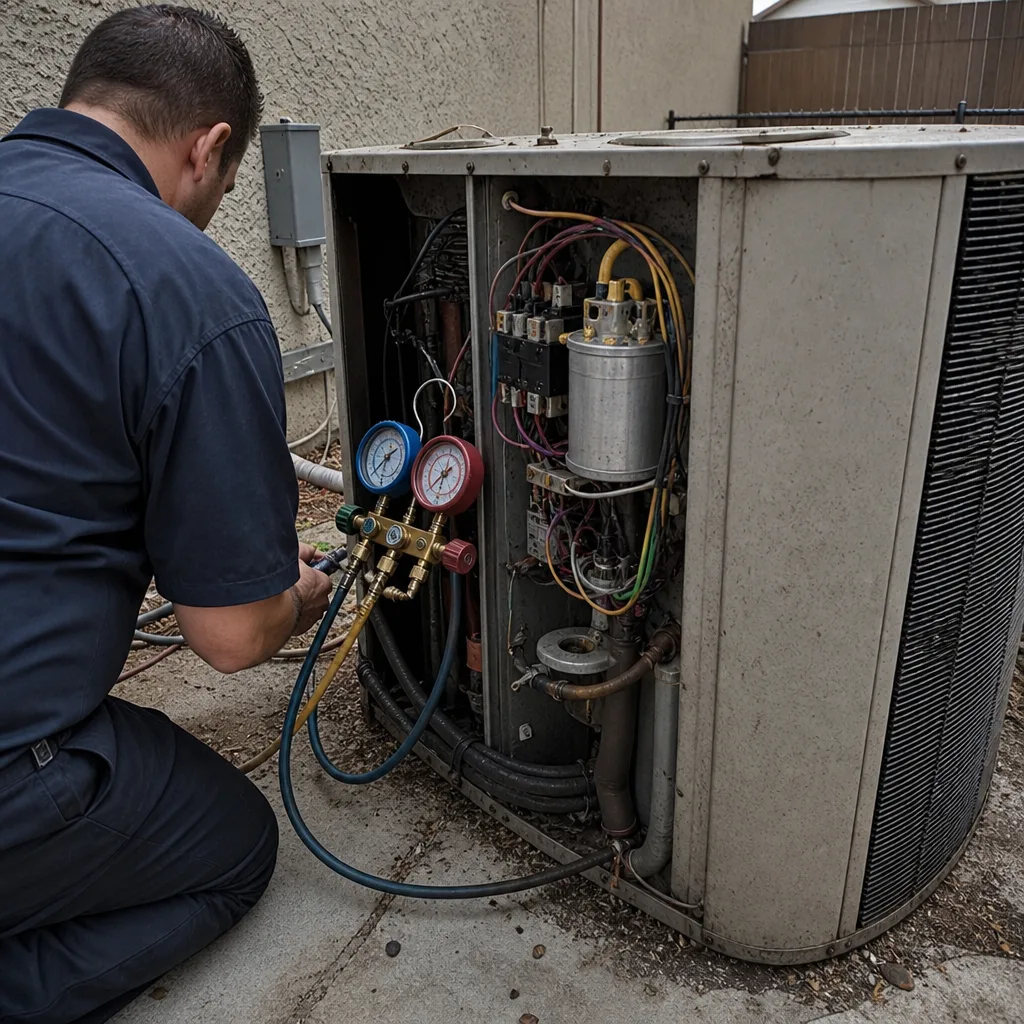 Before
 After
The three homeowner-safe fixes that resolve the most calls
You can safely handle these three, and together they clear a large share of the calls we run in Sunrise Manor.
- Filter replacement and airflow check. Swap the filter, open any closed vents, and clear the return grilles. Poor airflow is behind overheating, short cycling, and weak heat.
- Flame sensor cleaning. Power the unit off at the breaker and the wall switch. Locate the metal rod near the burner, and gently wipe it with fine steel wool. Reinstall it firmly and restore power. This resolves a lot of ignition lockouts.
- Thermostat wire inspection. Check that the thermostat has fresh batteries and that the wire connections at the thermostat are snug, not frayed or pulled loose.
Anything beyond these three – gas valves, ignitor replacement, heat exchanger, high-voltage board – is a professional call. Our technicians have up to 22 years of experience and carry the tools to test, not guess.
When to Call a Professional
Call a licensed technician any time the sequence points to the gas valve, the burners, the heat exchanger, or the control board; when the breaker trips more than once; when you smell gas; or when you hear banging at startup. A cracked heat exchanger can leak carbon monoxide, and that’s a life-safety issue, not a repair you wait on. If you’ve cleared the filter, cleaned the sensor, and checked the thermostat and the furnace still won’t heat the house, the diagnostic visit is the money-saver, not the DIY loop.
Halden Heating & Air Sunrise Manor offers free estimates in Sunrise Manor and surrounding neighborhoods. Call (833) 892-8106, and a live person will pick up.
Frequently Asked Questions
Repair usually wins if the unit is under about 12 to 15 years old and the fix is a single part like a flame sensor or ignitor. Replace when the repair costs more than a third of a new unit’s price or when a heat exchanger is cracked. If you’re weighing a replacement, we can walk you through installation options and pricing so you’re comparing real numbers, not a guess.
Yes, that’s one of the safe fixes. Power off the furnace, wipe the metal rod with fine steel wool, and reinstall it firmly. It’s a good first step on any ignition lockout. If it doesn’t resolve the issue, the problem is likely further down the sequence.
Airflow is the most common cause here. Dusty desert air clogs filters fast, and a choked filter makes the furnace overheat and trip its limit switch. Change the filter, open the vents, and clear the returns; if it still cycles within 90 seconds, call us.
Most repairs run between $150 and $600 depending on the part. A flame sensor or ignitor replacement sits at the low end; a blower motor or control board climbs toward the top. We give a written price before any work starts so there are no surprises, and estimates are free. Call (833) 892-8106 for an exact quote.
They’re an error code naming the failed component. Count the flashes and match the number to the sticker inside the blower door. A code for “flame sense” means the sensor, “pressure switch” means a blocked flue, and “ignition lockout” means the burner never lit.
Reset it once. If it trips again, stop and call us – repeated resets can damage the board or blower motor, and the fault could be a wiring short. It’s an electrical issue that needs a meter and a trained eye.
The Bottom Line
Furnace troubleshooting works best as an elimination sequence, not a guess. Confirm power and the thermostat, check airflow, read the error code, then test the easy ignition parts; stop the moment the trail leads to gas, high-voltage wiring, or the heat exchanger. The three homeowner-safe fixes – filter and airflow, flame sensor cleaning, and thermostat wire checks – clear a lot of calls before a technician is needed. When it’s time to hand it off, describe the symptom sequence accurately so you pay for the right fix the first time. For everything else, we’ve got real people on the line around the clock.
Book online, get a live arrival time, and track your tech to the door – or call (833) 892-8106 for a free estimate. Start from the Halden Heating & Air Sunrise Manor home, or explore our AC repair in Sunrise Manor and furnace repair in Sunrise Manor pages. Every job comes with a written price before work starts and the 365-Day Done Right Promise behind it.
Written by the team at Halden Heating & Air Sunrise Manor.