
Last updated November 17, 2026
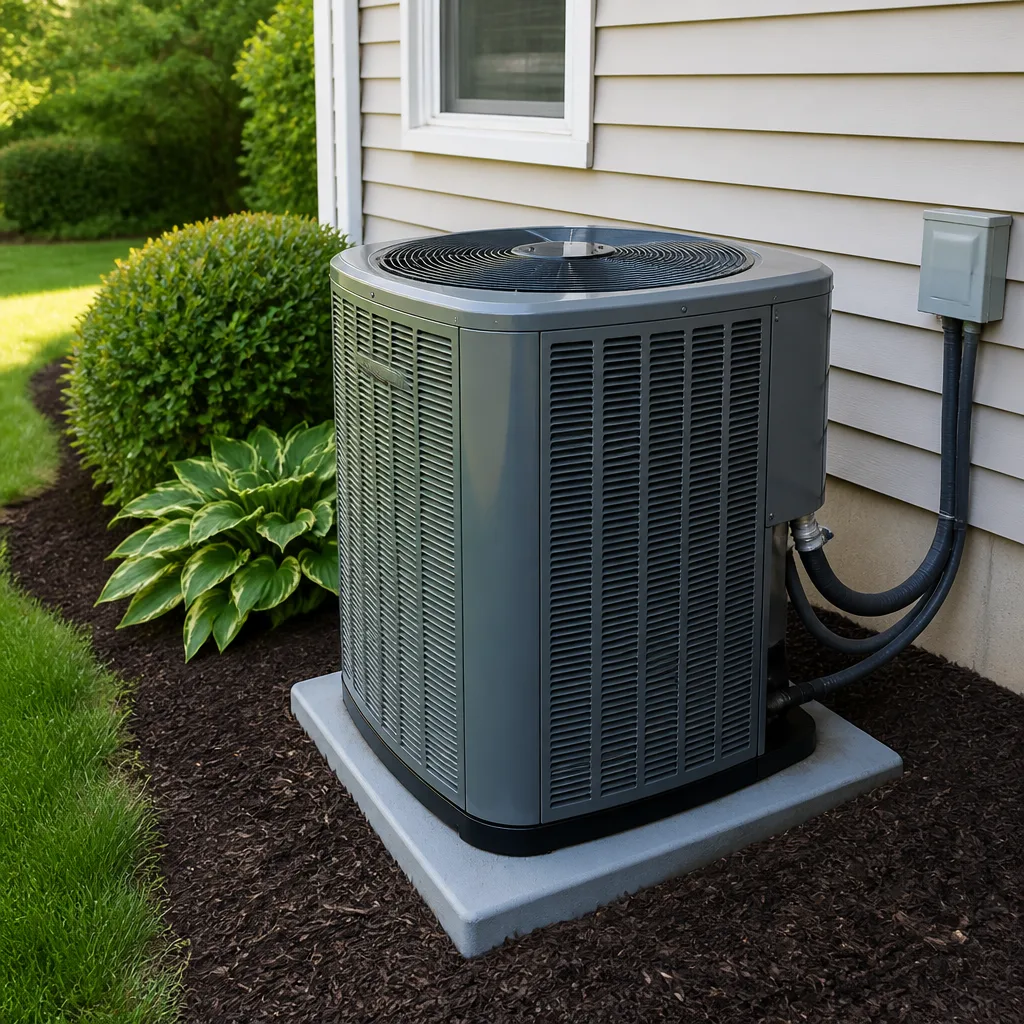 AC repair
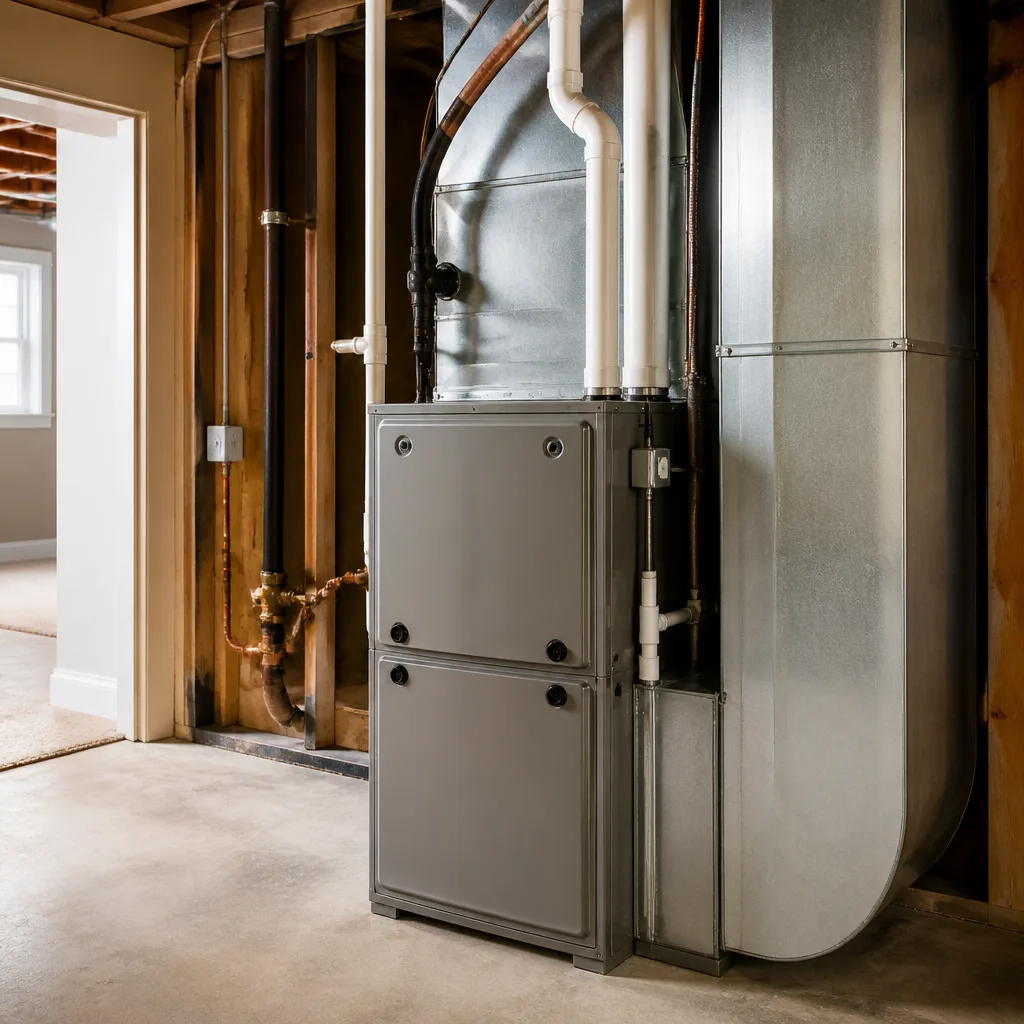 Furnace & heating
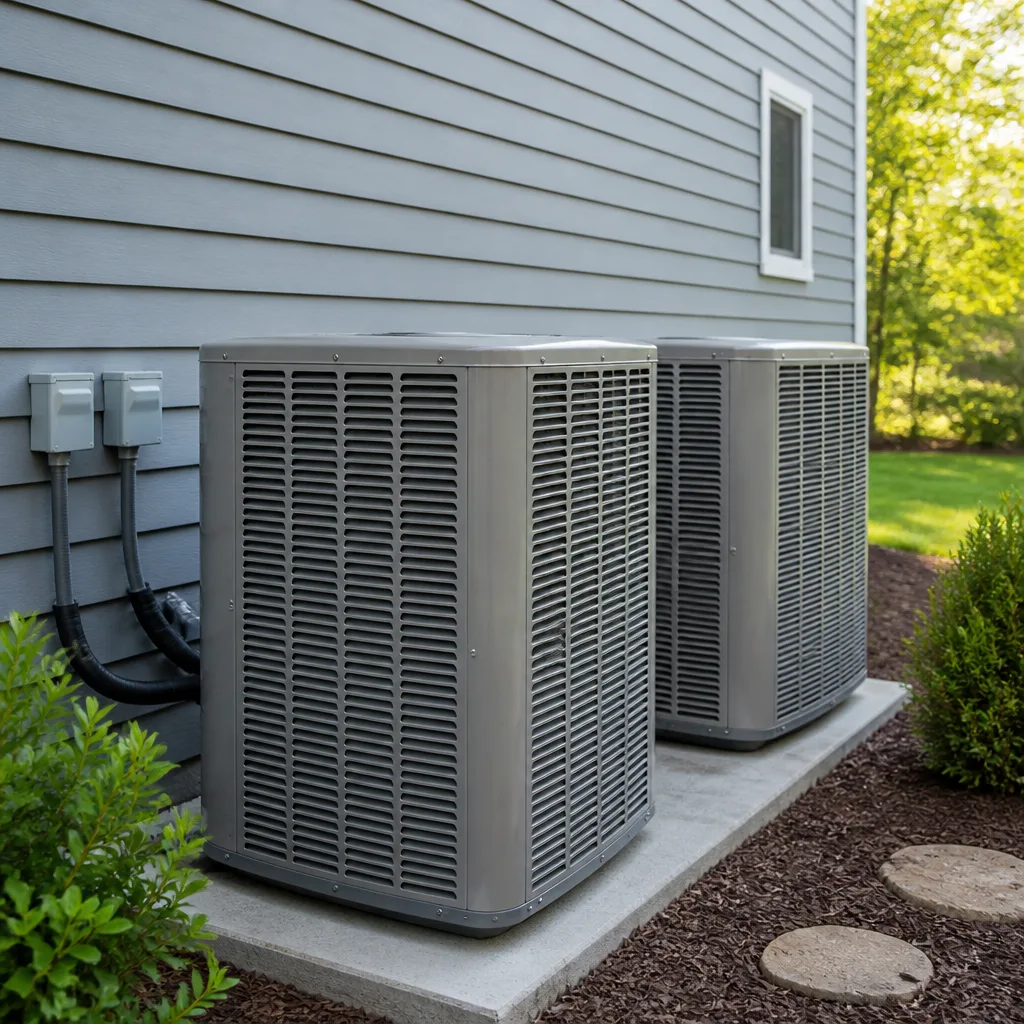 Heat pumps
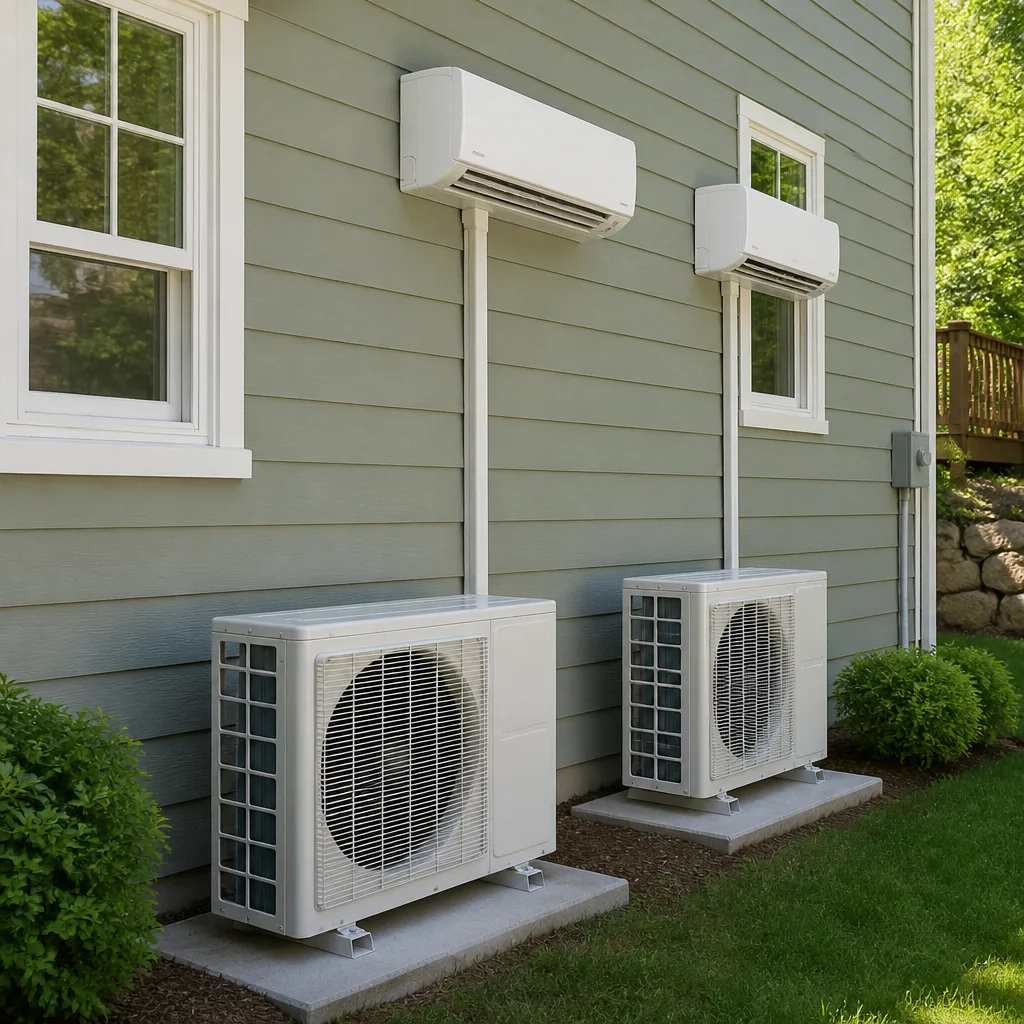 Ductless mini splits
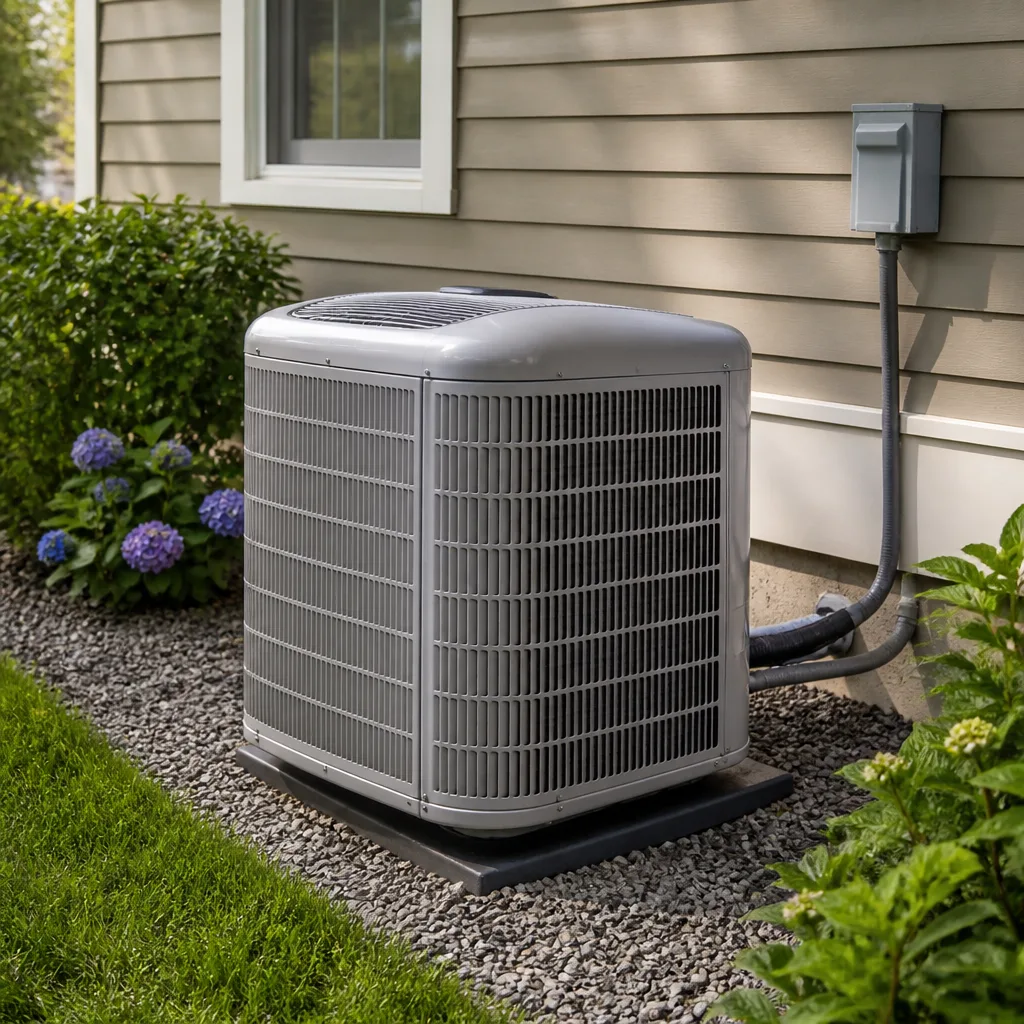 Carrier
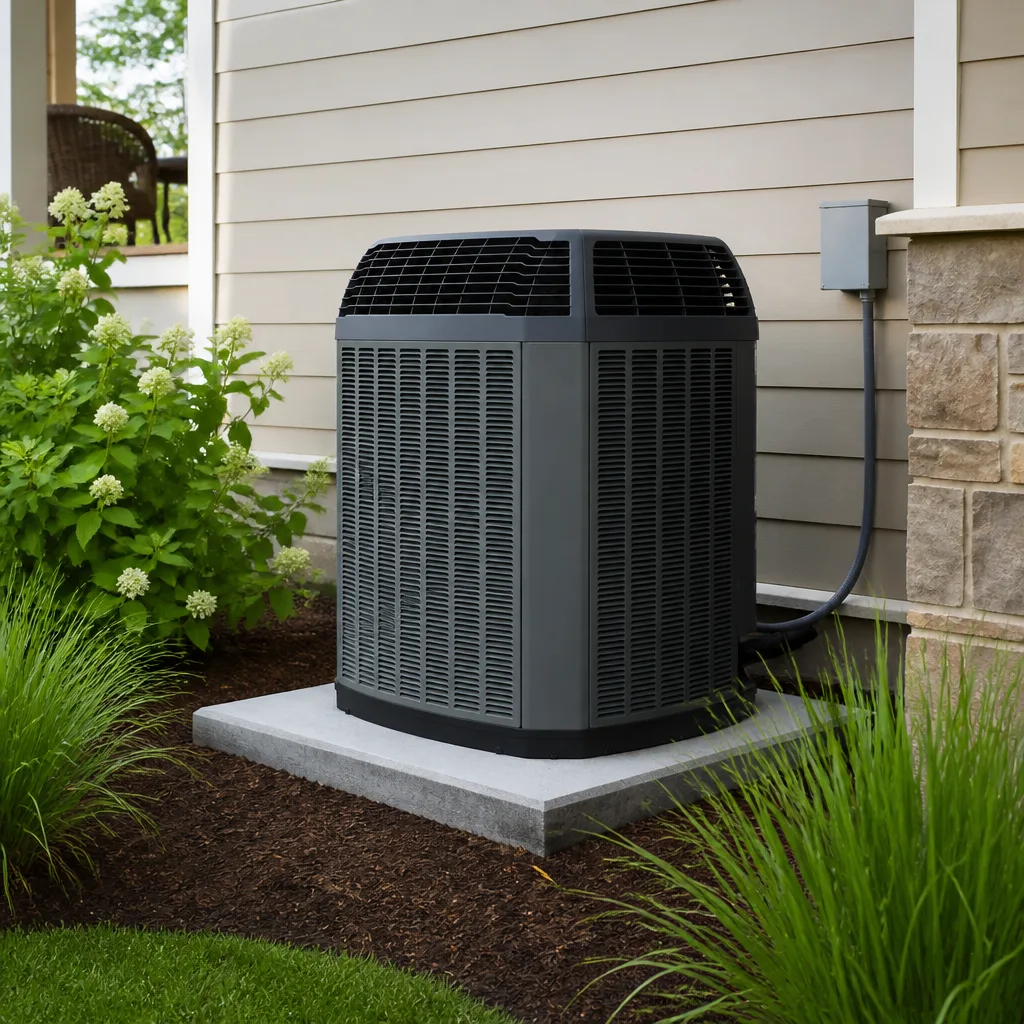 Trane
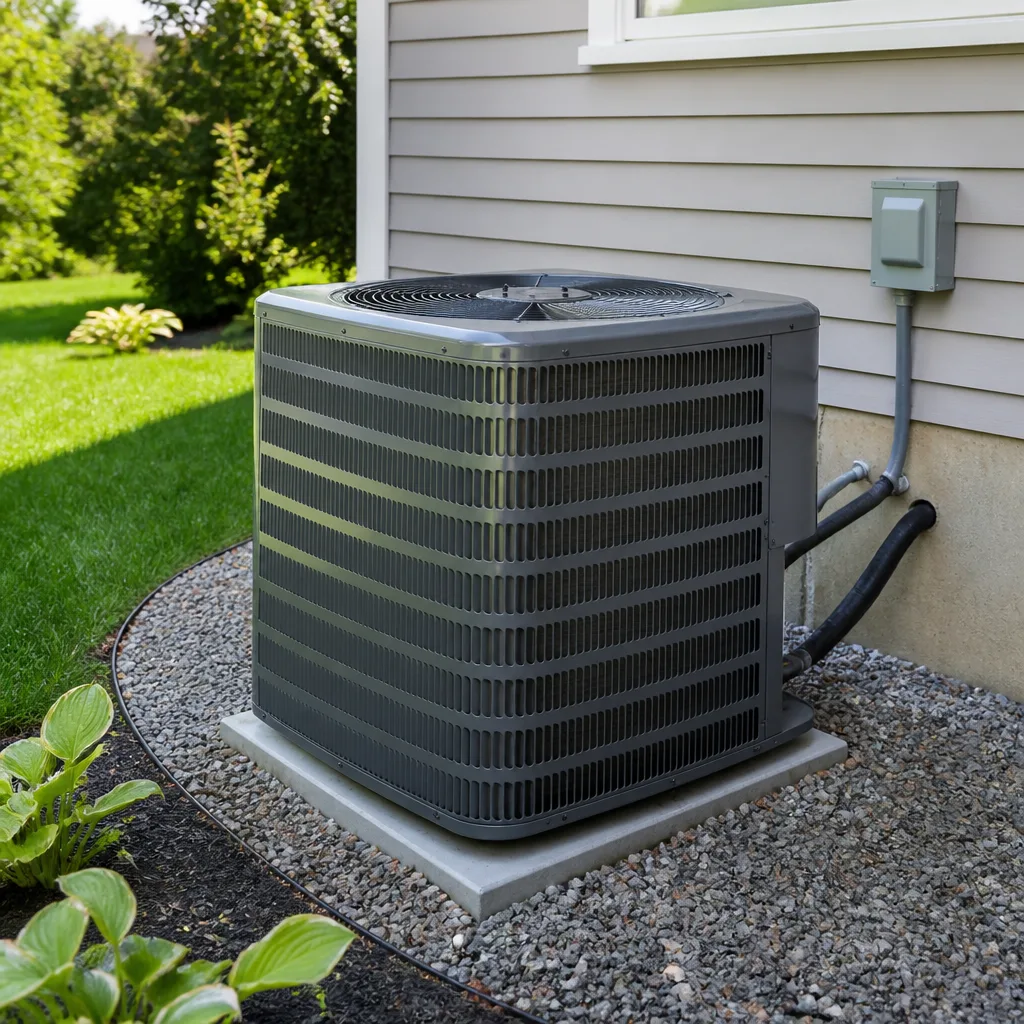 Goodman
Seasonal tune-up and full diagnostic on your Carrier, Trane, or Goodman system - readings shown to you before any repair is proposed
Diagnosis first, numbers second - you approve the repair price before a single part goes in.
Get your free estimateFurnace Repair Maintenance Schedule: What to Do and When
The most expensive furnace call we run all year lands in the first week of November. In nearly every case, the part that failed was starved of airflow by a filter nobody changed, and a two-minute look in September would have caught it. That’s the trap of the annual tune-up reminder: it treats furnace care as one event when it’s really four tiers of tasks spread across the calendar. In Sunrise Manor, where desert dust settles into idle equipment for months, the timing matters even more. Here’s the month-by-month schedule that keeps a furnace running instead of failing.
Quick Answer
A furnace maintenance schedule has four tiers: a September pre-season startup, a November filter swap, a January mid-season blower check, and a March post-season shutdown, plus one annual professional visit that includes a heat exchanger inspection and a carbon monoxide test. Homeowners handle filters, thermostat batteries, and vent clearance; gas pressure, the heat exchanger, and flue integrity require a licensed technician. Skipping the September step in Sunrise Manor is what turns a cheap fix into a blower motor replacement.
Styles & brands we work with
- AC repair
- Furnace & heating
- Heat pumps
- Ductless mini splits
- Carrier
- Trane
- Goodman
Table of Contents
- Why a Furnace Schedule Isn’t One Annual Visit
- September: The Pre-Season Startup Checklist
- November: The Filter Swap That Prevents Most Failures
- January: The Mid-Season Blower Inspection
- March: Post-Season Shutdown Steps
- The One Annual Pro Task You Shouldn’t Skip
- Homeowner-Safe Tasks vs. Licensed-Required Tasks
- What Maintenance Costs vs. What Repairs Cost
Why a Furnace Schedule Isn’t One Annual Visit
The “get a tune-up once a year” advice is technically true and practically useless. It doesn’t tell you what to do in the ten months between visits, and it hides the fact that most furnace failures build up slowly during the off-season, not suddenly on a cold night. In Sunrise Manor, furnaces sit idle through long stretches of mild weather. That idle time is when dust collects on the blower wheel, filters load up with fine desert grit, and thermostats quietly drain their batteries.
Here’s what we mean by four tiers. Each one has a different owner, a different cost, and a different failure it prevents:
- September startup: clears the off-season buildup before the first cold snap. Prevents ignition and airflow failures.
- November filter swap: the cheapest task on the calendar and the one that prevents the most expensive damage.
- January blower check: mid-season inspection while the system is under real load. Catches strain before it becomes a burnout.
- March shutdown: prepares the unit to sit safely through summer. Prevents corrosion and pest intrusion.
The annual professional visit layers on top of these, and it’s the only tier that touches the heat exchanger and gas system. For a full look at what a repair call covers when something does fail, our Furnace Repair in Sunrise Manor page walks through the diagnostics.
September: The Pre-Season Startup Checklist
In a climate where furnaces run continuously for six months, the pre-season check is helpful. In Sunrise Manor, it’s closer to essential. Our units sit idle for months while wind carries fine dust through every gap, and that dust settles directly onto the burners, the blower wheel, and the flame sensor. The first cold morning doesn’t just start a furnace; it starts a furnace that’s been quietly collecting grit since spring.
Homeowners can handle the first pass. Here’s the September checklist:
- Replace the filter even if it looks okay. Off-season dust loads a filter without visible buildup.
- Clear the vents in every room. Furniture, rugs, and curtains drift over registers during summer.
- Check the thermostat battery and swap it if it’s been in a year. A dying battery can leave you with a dead system on the coldest night.
- Confirm the exhaust vent outside isn’t blocked by debris, nests, or landscaping.
- Test the heat on the first cool evening, before you need it, so a failure shows up while there’s time to schedule a repair.
The professional pre-season visit adds what you can’t safely do: burner cleaning, flame sensor inspection, ignition testing, and a carbon monoxide check. That last one matters because a furnace that’s been idle collects dust on the burners, and a dirty burner can produce incomplete combustion. Book the startup in Sunrise Manor before the first real cold front, not after. If your system already shows trouble signs, the team at Halden Heating & Air Sunrise Manor home can get eyes on it fast.
November: The Filter Swap That Prevents Most Failures
If you do nothing else on this calendar, do this one. A clogged filter restricts airflow, and restricted airflow is the root of the three most common furnace failures we see: overheated blower motors, cracked heat exchangers from overheating, and short-cycling that wears out the ignition system. A filter costs around $12 to $25 depending on size and rating. A blower motor replacement runs $400 to $700. The math isn’t close.
November is the right month because it’s when furnaces in Sunrise Manor shift from occasional use to daily running. Here’s the filter routine that actually works:
- Check it monthly from November through March. Desert dust loads filters faster than in humid climates.
- Swap standard 1-inch filters every 30 to 60 days during heavy heating season. Thicker 4-inch media filters can go 90 days.
- Don’t overshoot the MERV rating. A MERV 13 filter traps more particles but can choke a system designed for MERV 8. Match the rating to your furnace’s spec.
- Note the size on your phone so you’re not guessing at the store. Filters that don’t seal properly let dust bypass them entirely.
We’ve seen Goodman and Rheem furnaces fail at four years old in Sunrise Manor purely from filter neglect, while identical units with disciplined filter changes run well past fifteen. It’s the single highest-return task on this schedule.
January: The Mid-Season Blower Inspection
By January, your furnace has been running hard for two months. This is when wear shows up, and it’s the tier most homeowners skip entirely. The blower assembly (the fan that pushes heated air through your ducts) is under constant load, and a wheel caked with dust throws the whole thing out of balance. You’ll hear it before you see it: a rattle, a hum that wasn’t there in November, or air that feels weaker than it used to.
Here’s what to check mid-season, and what to leave to a technician:
- Listen for new noises: rattling, grinding, or a blower that surges and drops.
- Feel the airflow at registers. Weak heat from every vent suggests a blower or filter problem, not a duct problem.
- Watch the run cycles. A furnace that starts and stops every few minutes is short-cycling, which stresses every component.
- Leave the blower wheel itself alone. Cleaning it requires disassembly, and the sealed bearings aren’t a homeowner job.
A January professional inspection cleans the blower, checks the blower motor capacitor (a small part that stores energy to start the motor), and verifies the system is holding its rated airflow. Catching a worn capacitor in January is a small fix; ignoring it until the motor burns out is a much bigger one. If your AC also struggles in summer, the same airflow logic applies, and our AC Repair in Sunrise Manor team handles those calls year-round.
March: Post-Season Shutdown Steps
When the heating season ends in Sunrise Manor, your furnace goes back to sitting idle through the hot months. How it sits matters. A unit shut down with a loaded filter, a dusty blower, and a thermostat still fighting to hold a setpoint ages faster than one properly put to rest. March is the month to close the loop.
Here’s the shutdown routine:
- Swap the filter one last time so the unit sits clean through summer.
- Switch the thermostat to off or its summer setting so it isn’t calling for heat you don’t need.
- Clear the outdoor exhaust vent of any debris that piled up over winter, and check it isn’t blocked by spring landscaping.
- Wipe down the furnace exterior and clear the area around it so stored items don’t block airflow intake.
- Schedule the annual professional visit if you haven’t already, or confirm your fall appointment so it isn’t forgotten.
One more reason to do this in March: summer heat in Sunrise Manor pushes your AC hard, and a clean, well-serviced system leaves less for the cooling season to deal with. If you’re weighing a cooling upgrade, our AC Installation in Sunrise Manor page covers what that involves.
The One Annual Pro Task You Shouldn’t Skip
Of everything a professional does, one task matters more than the rest: the heat exchanger inspection and carbon monoxide test. The heat exchanger is the metal component that separates the combustion gases from the air you breathe. If it cracks, carbon monoxide can enter your home’s air supply. This isn’t a task any homeowner should attempt, and it isn’t one to trust to a technician who skips it.
What a legitimate annual visit includes:
- Visual heat exchanger inspection for cracks, corrosion, and warping.
- Carbon monoxide test at the flue and in the living space. This is your safety check, and it should be measured, not eyeballed.
- Gas pressure verification at the manifold. Incorrect pressure affects combustion safety and efficiency.
- Flue integrity check to confirm exhaust gases vent properly.
- Burner cleaning and flame sensor check to keep combustion clean and ignition reliable.
If any technician tells you a cracked heat exchanger isn’t a big deal, get a second opinion. It’s the one finding on this whole schedule that’s a genuine safety stop. For anything on the gas side, the heat exchanger, or the flue, a trained professional should do the work. We don’t hand out DIY steps for those for the same reason we don’t hand out DIY electrical-panel advice: the stakes are too high.
Homeowner-Safe Tasks vs. Licensed-Required Tasks
Not every task on this calendar belongs to the same person. Knowing the line keeps you safe and keeps your warranty intact. Here’s the split:
Homeowner-Safe
- Replacing the filter, monthly during heating season
- Changing the thermostat battery
- Clearing vents and keeping registers unobstructed
- Checking the outdoor exhaust vent for blockages
- Listening for unusual noises and watching run cycles
Licensed-Required
- Gas pressure checks and burner cleaning
- Heat exchanger inspection
- Flue integrity checks
- Blower cleaning and capacitor testing
- Carbon monoxide measurement
The pattern: filters, batteries, and clearances are yours. Combustion, gas, and anything requiring disassembly belong to a technician. Getting that split right is how you avoid both a costly repair and a genuine hazard. If a repair ever does fail after a professional visit, a written guarantee should cover the return trip, and that’s a standard we hold ourselves to on every job.
What Maintenance Costs vs. What Repairs Cost
This is where the calendar pays for itself. Here are realistic numbers for what maintenance and repairs run in the Sunrise Manor area:
- Filter swaps (4 per year): roughly $48 to $100 total
- Annual professional maintenance visit: roughly $100 to $200
- Two-visit seasonal care (startup + inspection): roughly $200 to $350
- Blower motor replacement: roughly $400 to $700
- Heat exchanger replacement: $1,500 to $3,000 or more
- Ignition system repair: roughly $150 to $400
- Emergency after-hours repair premium: an added 25% to 50% on top of the repair bill
The three failures routine maintenance most reliably prevents, blower motor burnout, cracked heat exchanger, and ignition failure, each carry repair costs several times the price of a year of maintenance. The annual visit locks in a written price before any work starts, so there’s no surprise at the door. And a phone-first homeowner can see it before it happens. Call (833) 892-8106 for a free estimate and a fixed written price.
Common Mistakes to Avoid
- Skipping the September startup and waiting for the first cold snap. In Sunrise Manor, an idle furnace collects a season of desert dust, and starting it cold can turn a routine check into an emergency repair.
- Overshooting the MERV rating. A filter that traps finer particles than your system was designed for chokes airflow and can cause the very blower strain you’re trying to prevent.
- Treating a 20-minute tune-up as a maintenance visit. A real visit includes the heat exchanger, gas pressure, and CO test. If a technician doesn’t check those, it wasn’t maintenance, it was a sales pitch for parts you may not need.
- Ignoring new noises. A rattle in January is usually a cheap fix. A rattle ignored until the blower burns out is a $400 to $700 repair.
- Leaving the thermostat on heat through summer. In Sunrise Manor’s heat, a thermostat still calling for warmth runs systems that should be resting.
- Letting debris pile up at the outdoor exhaust vent. A blocked flue is a carbon monoxide risk, and it’s easy to clear if you check it.
- Trusting a maintenance visit without a written summary. A report of what was actually found tells you whether the system is healthy or whether someone is selling.
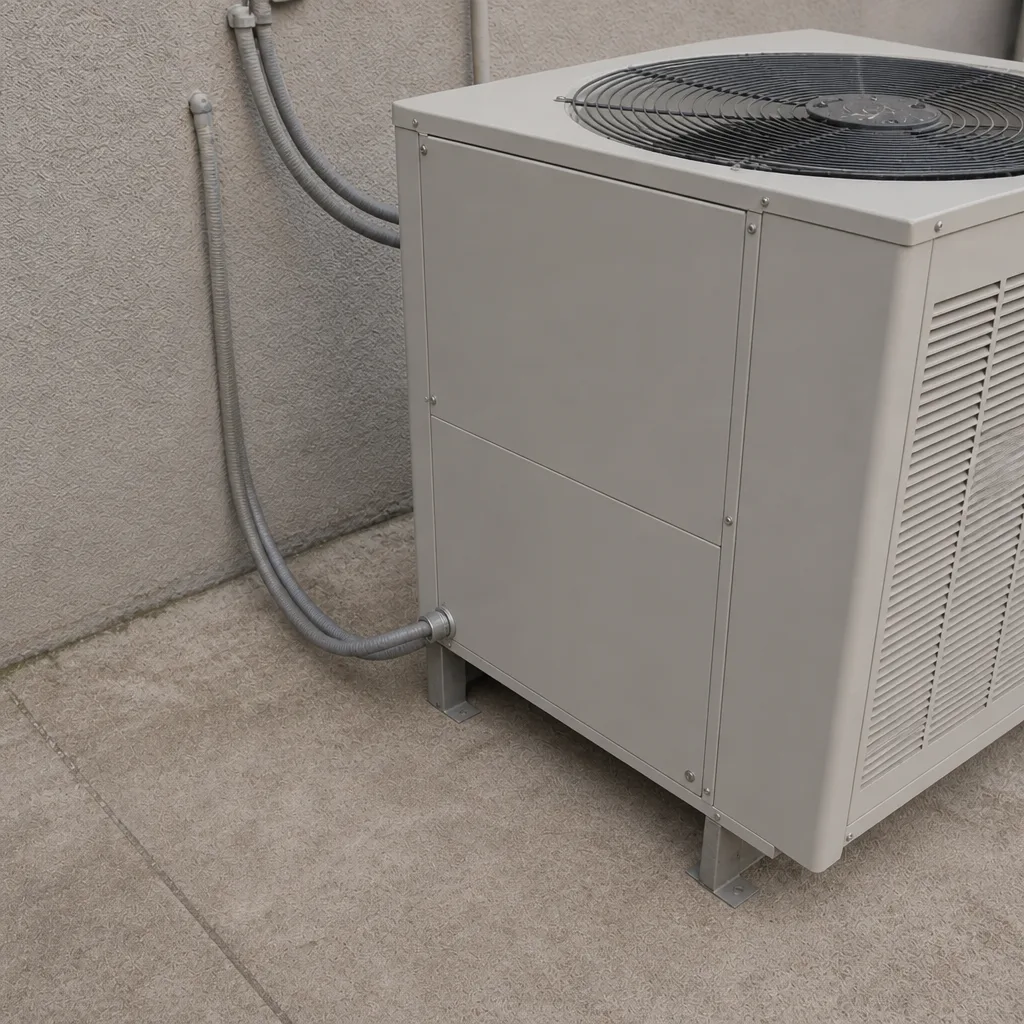
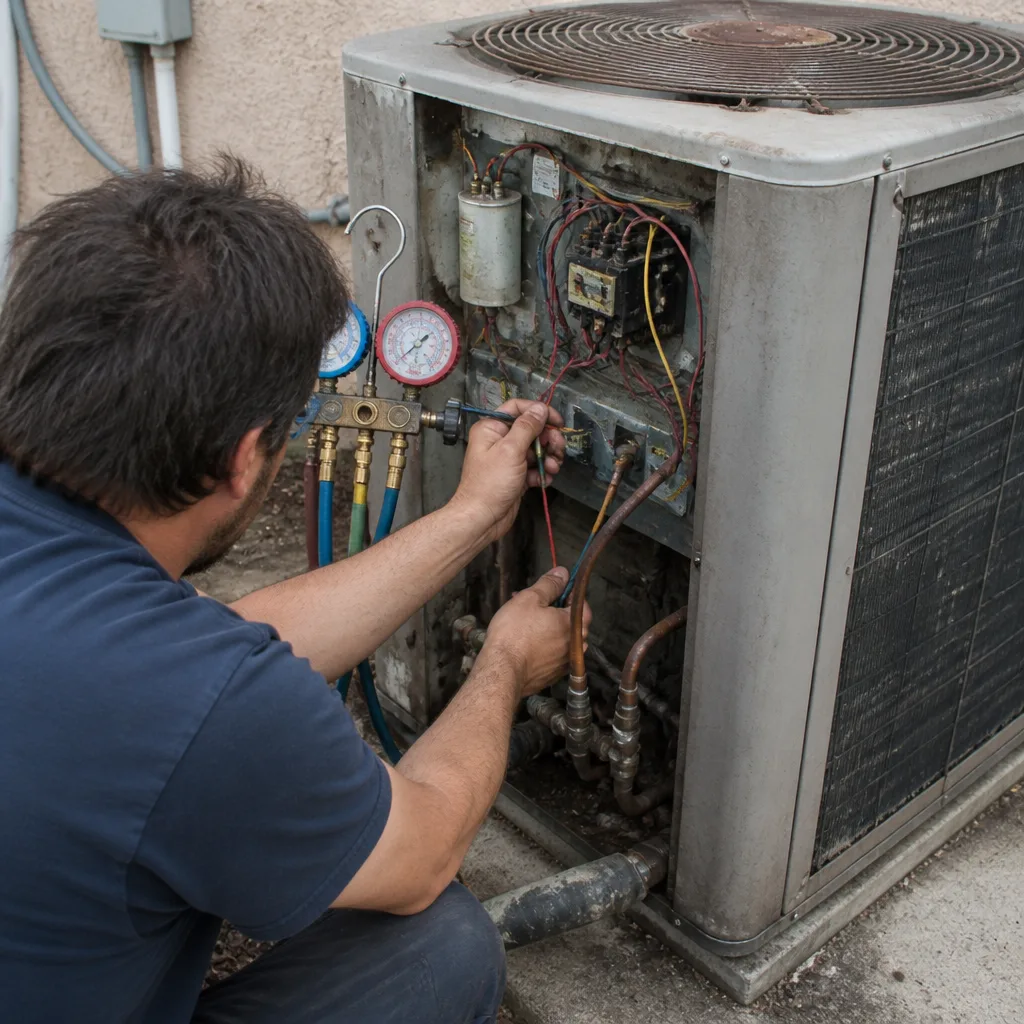
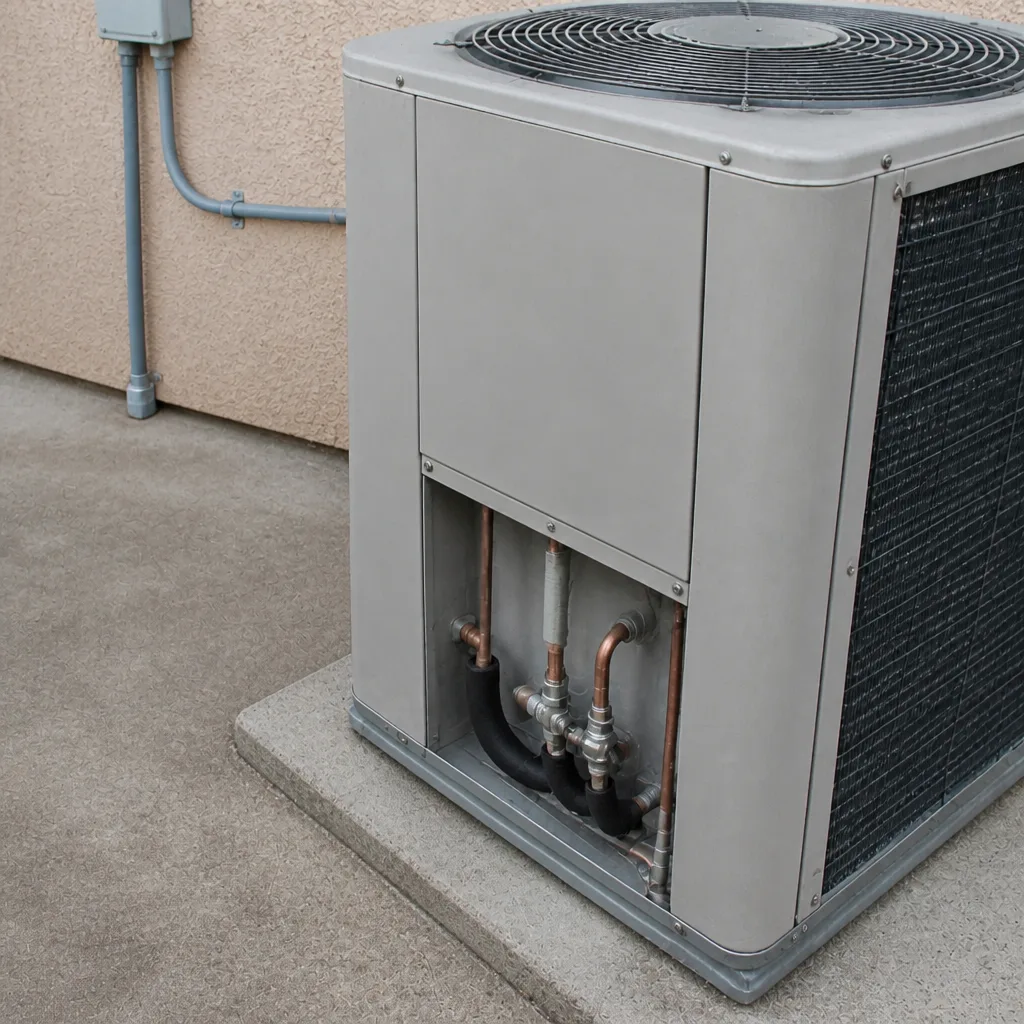
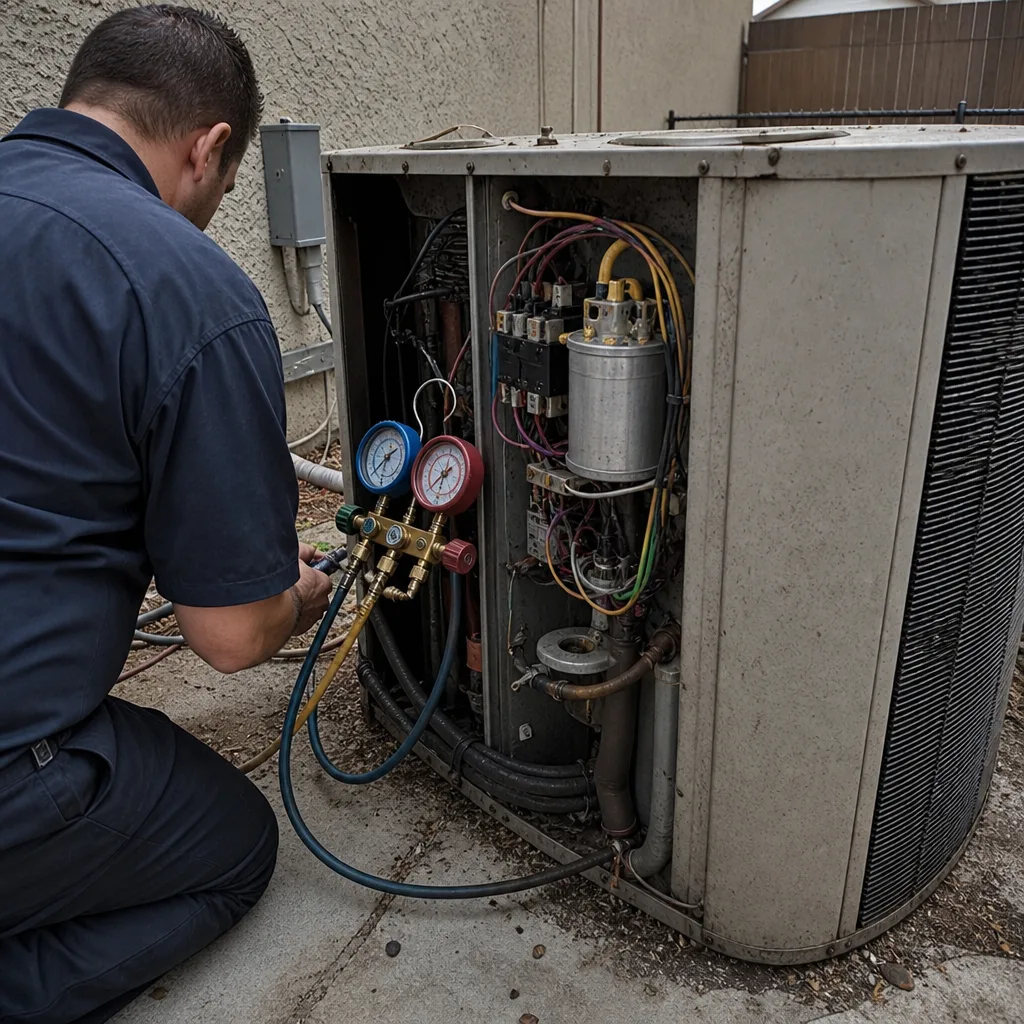
See the difference
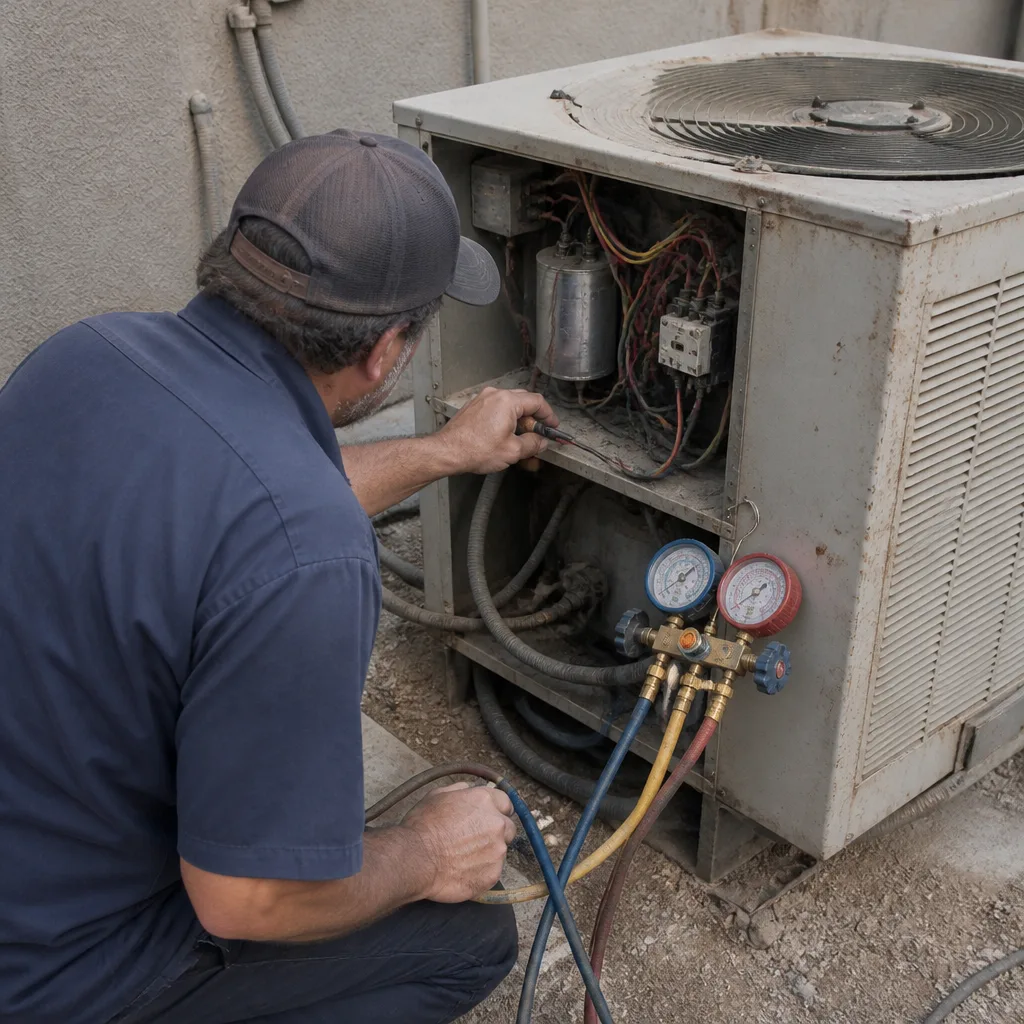 Before
 After
 Before
 After
 Before
 After
When to Call a Professional
Some issues are worth a call even with a clean maintenance record. Call a professional if you smell gas at any point, hear a clicking that repeats without the furnace firing, notice soot or discoloration around the unit, see a yellow or orange flame instead of a steady blue one, or get a carbon monoxide alarm. Weak heat across every room, a furnace that short-cycles repeatedly, or a blower that rumbles are all signs to schedule a visit. Halden Heating & Air Sunrise Manor offers free estimates in Sunrise Manor. Call (833) 892-8106, book online, and track your technician to the door with a live arrival time instead of a four-hour window.
Frequently Asked Questions
Once a year for the professional visit, plus a pre-season startup in September and monthly filter checks during heating season. Sunrise Manor’s dust means filters load faster than in humid climates, so a single annual tune-up isn’t enough on its own. Call (833) 892-8106 to schedule your annual visit with a written price before work starts.
The heat exchanger inspection and carbon monoxide test. It’s the one task that’s a genuine safety check, because a cracked heat exchanger can let combustion gases into your home’s air. Filter changes are the highest-return routine task, but the CO test is the one you never skip.
A thorough visit takes one to two hours depending on the system, because it includes the heat exchanger, gas pressure, flue, burners, blower, and CO test. If a technician is done in 20 minutes and hands you a list of parts to replace, you didn’t get maintenance.
Because furnaces here sit idle through months of dusty desert weather. That dust settles on burners and blower components during the off-season, and starting a loaded furnace cold is when the failures happen. A September check clears the buildup before you depend on it.
An annual professional visit runs roughly $100 to $200, while the failures it prevents, like blower motor burnout or a cracked heat exchanger, cost $400 to $3,000 or more. The maintenance pays for itself many times over. Call (833) 892-8106 for a free estimate.
It depends on age, repair cost, and how the numbers compare. As a rough guide, if a repair costs more than about a third of a new system and the furnace is over 15 years old, replacement often makes more sense. We’ll give you a written price on both before you decide.
The Bottom Line
A furnace maintenance schedule works because it spreads care across the whole year instead of relying on one annual reminder. Swap the filter in November, check airflow in January, shut down clean in March, and run the September startup before the first cold snap. Let a professional handle the heat exchanger, gas, and flue, and treat that annual visit as the safety check it is. Do the small tasks on time, and the furnace in your Sunrise Manor home spends the season heating instead of failing. Our technicians have up to 22 years of experience, and every repair comes with a written guarantee and a free return visit if something fails. Call (833) 892-8106 for a free estimate.
Written by the team at Halden Heating & Air Sunrise Manor.